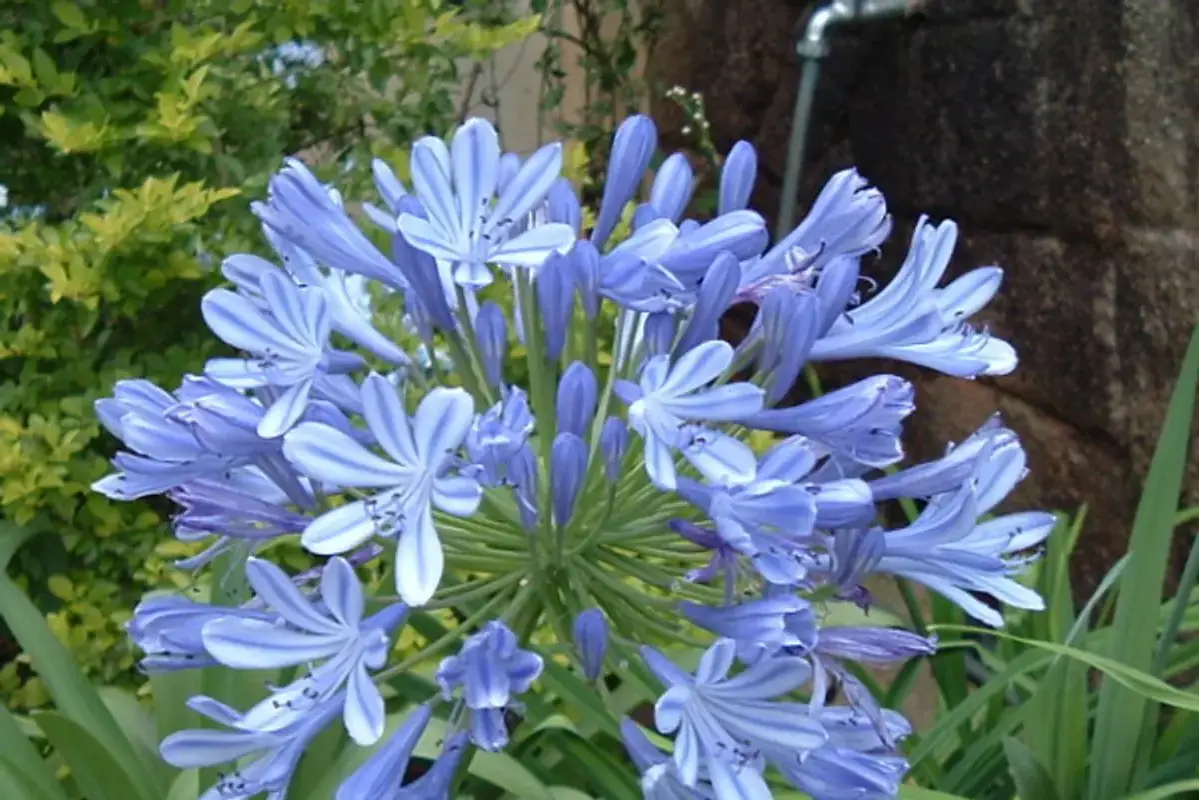
The thick agapanthus stalk looks easy to carry, but its rounded head is made of much smaller flower stalklets. Cupping or pulling the head to free it from a sleeve can damage those attachments while leaving the main stalk apparently sound. This guide works alongside the assessing broken flower branches so you can separate the first observation from the next action.
Sound main stalk below the cluster
This is the useful support point; the radiating flowers are not a carrying handle.
Paper trapped between stalklets
A small snag can pull several flower attachments at once.
One damaged flower stalk
A local broken pedicel does not necessarily mean the whole main stalk is wilted.
Room around the umbel
Its broad outline needs clearance during both insertion and later removal.
Read the evidence before acting
A measured care sequence
- 01Expose the stalk first
Support it securely while opening the wrapper away from the flower head.
- 02Inspect the radiating connections
Look for torn, sharply bent or wet-soft stalklets without squeezing the cluster.
- 03Place through an open route
Allow the head to clear neighbouring flowers and avoid hooking it under a rigid support.
- 04Groom with local support
Snip only spent or broken flower units and recheck the central attachment at the next water inspection.
Keep, adjust or remove?
- Sound main stalk below the clusterThis is the useful support point; the radiating flowers are not a carrying handle.
- Paper trapped between stalkletsA small snag can pull several flower attachments at once.
- One damaged flower stalkA local broken pedicel does not necessarily mean the whole main stalk is wilted.
- Room around the umbelIts broad outline needs clearance during both insertion and later removal.
Preserve the rounded head by handling below it. When one flower fails, inspect its own attachment before making a decision about the entire umbel. For a related symptom, return to the assessing broken flower branches rather than applying several changes at once.
Research notes
Sources and editorial method
This guide turns general postharvest and preservation advice into visible household checks. Timing and thresholds are starting points: cultivar, harvest stage, transport, room humidity and vase condition can change how a particular flower responds.


