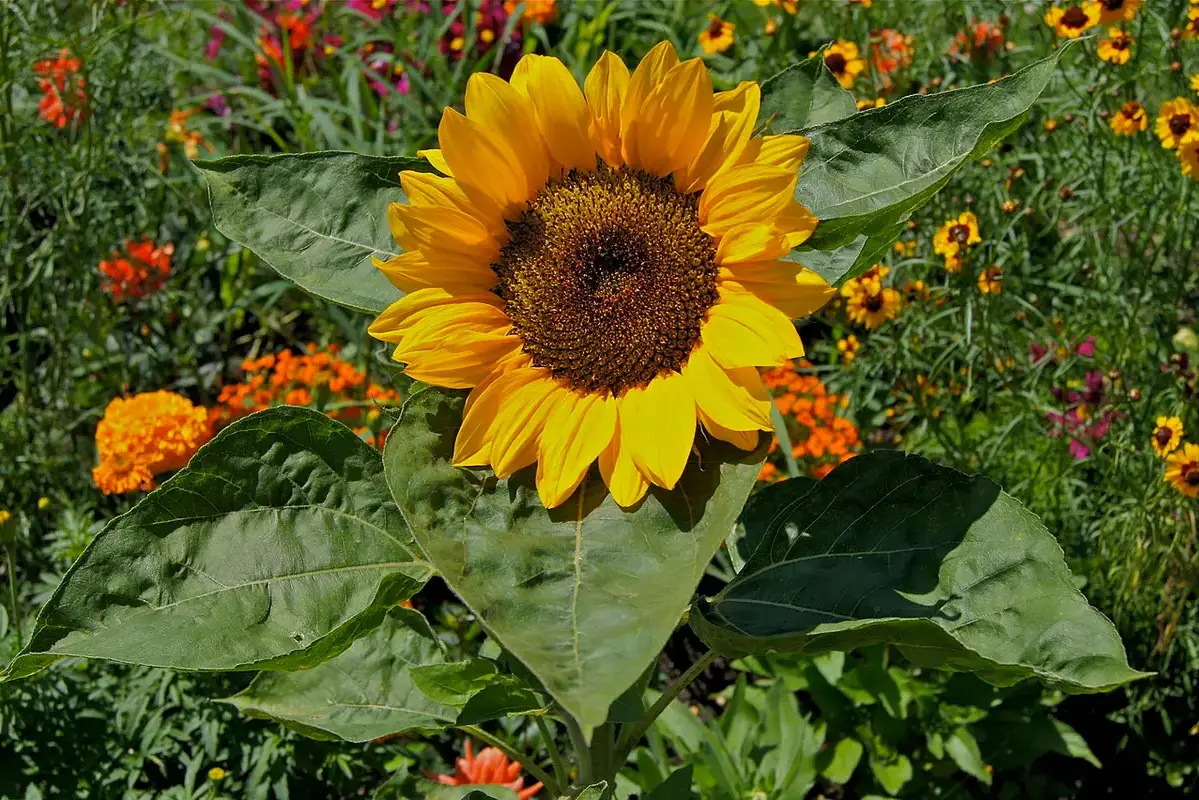
Used aquarium water is sometimes discussed as a garden fertilizer, so it can sound like a free flower-food substitute. A cut stem in a household vase is not a rooted plant in soil, and a tank carries its own water chemistry and handling requirements. This guide works alongside the avoiding unsupported vase-water substitutions so you can separate the first observation from the next action.
Root feeding versus cut-stem display
Nutrients used in a soil system do not establish an appropriate vase formulation.
Tank treatments and dissolved contents
Salts, medications or conditioners may be present even when water is clear.
Shared jug or siphon
Moving the tool can move tank residue without visibly pouring old tank water.
Hands and work surfaces
Complete aquarium hygiene before switching to a flower or food-preparation task.
Read the evidence before acting
A measured care sequence
- 01Finish the aquarium task first
Handle used water and tank supplies according to aquarium and public-health guidance.
- 02Wash hands and reset the area
CDC recommends handwashing after contact with tank water and equipment.
- 03Prepare a separate flower supply
Use a clean dedicated jug and measured product instructions rather than an aquarium conditioner.
- 04Keep both systems labelled
Store flower food away from fish supplies and never pour floral solution into a tank.
Keep, adjust or remove?
- Root feeding versus cut-stem displayNutrients used in a soil system do not establish an appropriate vase formulation.
- Tank treatments and dissolved contentsSalts, medications or conditioners may be present even when water is clear.
- Shared jug or siphonMoving the tool can move tank residue without visibly pouring old tank water.
- Hands and work surfacesComplete aquarium hygiene before switching to a flower or food-preparation task.
Reusing resources is useful only when the receiving task is appropriate. An indoor bouquet is easier to maintain with a known fresh reservoir than with a borrowed aquarium history. For a related symptom, return to the avoiding unsupported vase-water substitutions rather than applying several changes at once.
Research notes
Sources and editorial method
This guide turns general postharvest and preservation advice into visible household checks. Timing and thresholds are starting points: cultivar, harvest stage, transport, room humidity and vase condition can change how a particular flower responds.


