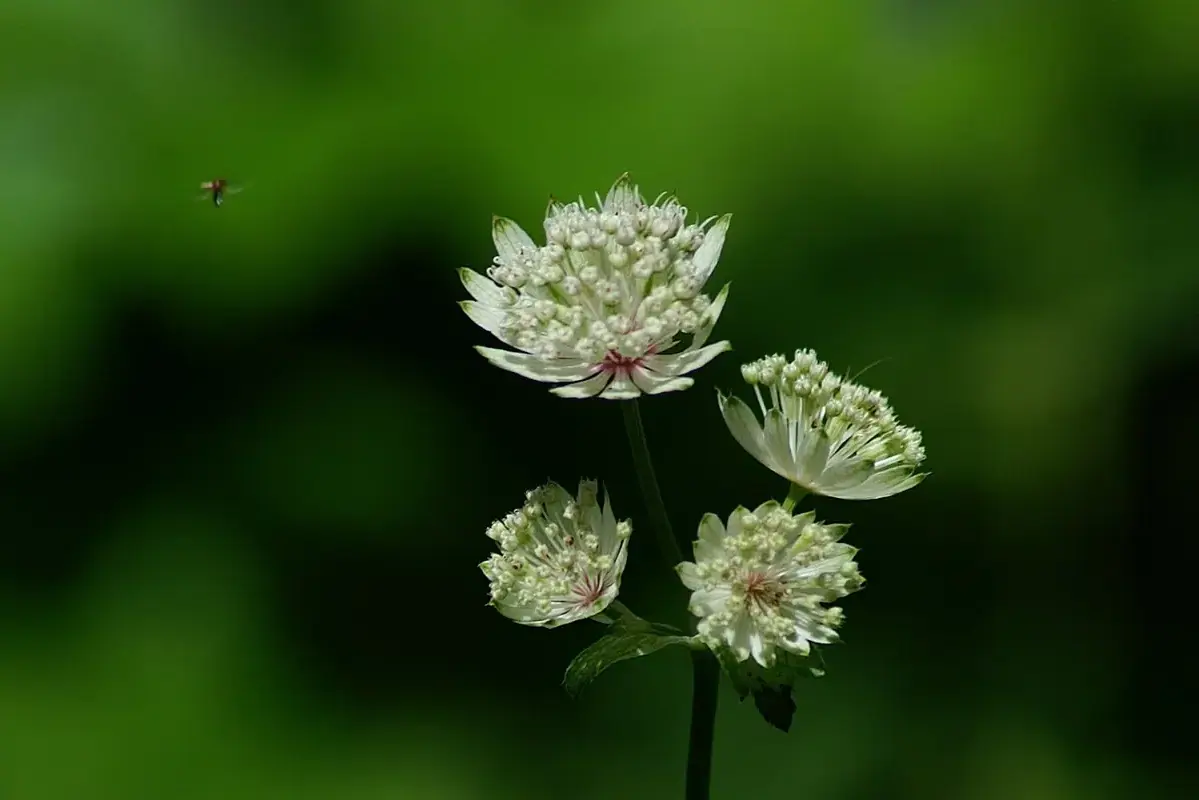
An astrantia head can retain a neat starry collar while its tiny central flowers change. That collar is made of bracts, so treating it exactly like soft rose petals can lead to needless stripping or a missed deteriorating center. This guide works alongside the recognizing persistent decorative flower structures so you can separate the first observation from the next action.
Cluster of tiny true flowers
Look into the middle instead of judging the whole head only by its outer outline.
Veined petal-like bracts
These structures can look relatively papery without that texture alone proving failure.
Connection below the head
A firm collar does not compensate for a kinked or soft supporting joint.
One spent head or an entire branch
Branching stems allow a local removal when adjacent heads remain sound.
Read the evidence before acting
A measured care sequence
- 01Compare two heads
Use a sound reference on the same bunch to distinguish normal veining from new damage.
- 02Look at center and underside
Support the small stem rather than pressing the bract collar flat.
- 03Make a local cut if justified
Snip below an affected head over a tray, leaving adjacent sound attachments intact.
- 04Check the remaining branch later
Review the same centers and the main stem base before deciding whether more grooming is worthwhile.
Keep, adjust or remove?
- Cluster of tiny true flowersLook into the middle instead of judging the whole head only by its outer outline.
- Veined petal-like bractsThese structures can look relatively papery without that texture alone proving failure.
- Connection below the headA firm collar does not compensate for a kinked or soft supporting joint.
- One spent head or an entire branchBranching stems allow a local removal when adjacent heads remain sound.
Let the center and supporting tissue qualify the attractive collar. Keep sound stars for their texture, but do not retain a failing head simply because its outline still photographs well. For a related symptom, return to the recognizing persistent decorative flower structures rather than applying several changes at once.
Research notes
Sources and editorial method
This guide turns general postharvest and preservation advice into visible household checks. Timing and thresholds are starting points: cultivar, harvest stage, transport, room humidity and vase condition can change how a particular flower responds.


