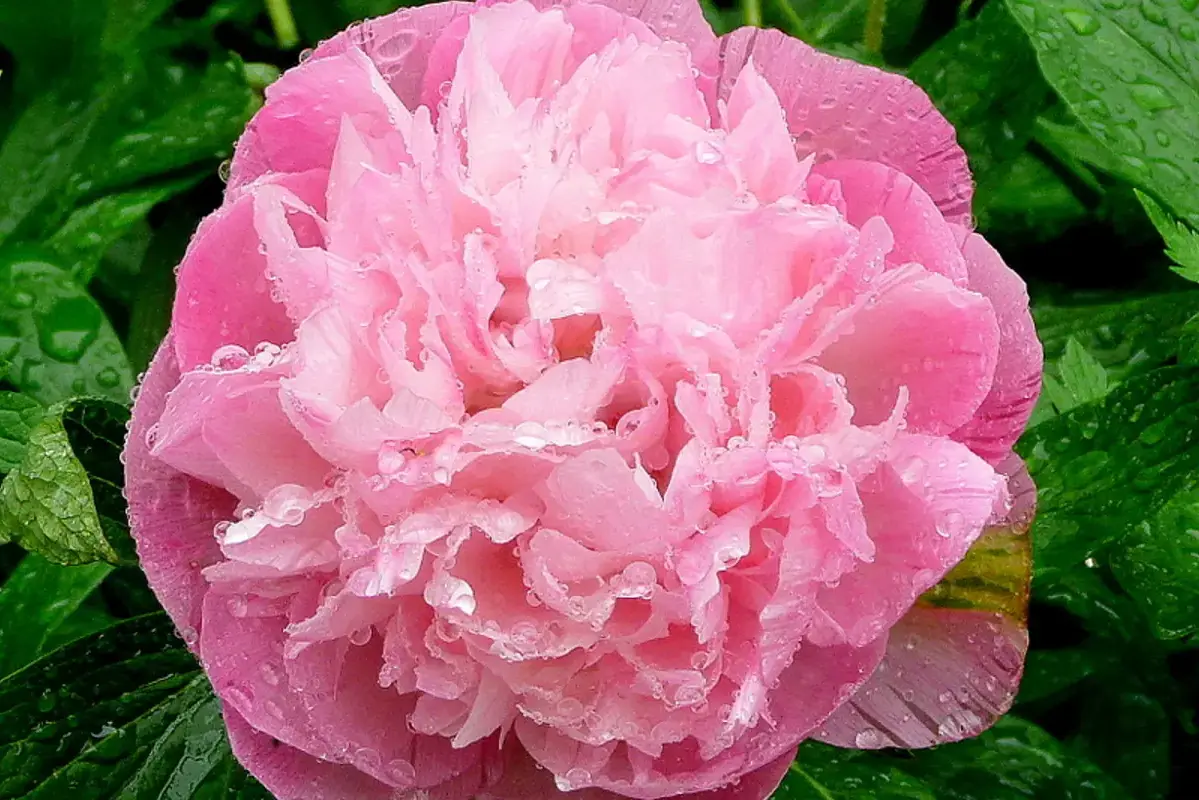
From above, the bouquet looks dense and balanced; from a chair, the main flower disappears behind the front row. Shortening the whole bunch may not solve a problem caused by overlapping faces rather than overall height. This guide works alongside the the separate question of dining-table clearance so you can separate the first observation from the next action.
Pattern of flower faces
The top view may conceal a front row that acts as a wall at a lower angle.
Visible focal area from a chair
A hidden face is not necessarily a stem that is too tall.
Which neighbour blocks the view
Identify the obstruction before cutting the flower you want to reveal.
Water contact after any shortening
A visually improved head position still needs a functional base.
Read the evidence before acting
A measured care sequence
- 01Choose the intended front
Leave the vase on a stable surface and inspect it without holding it above your face.
- 02Compare two eye levels
Note the same focal flower from standing and seated positions, looking for specific obstructions.
- 03Try one reversible move
Rotate the vase or alter an overlapping stem before reaching for the cutting tool.
- 04Cut only when the diagnosis remains
Make a small measured change, restore the stem to water and repeat both views.
Keep, adjust or remove?
- Pattern of flower facesThe top view may conceal a front row that acts as a wall at a lower angle.
- Visible focal area from a chairA hidden face is not necessarily a stem that is too tall.
- Which neighbour blocks the viewIdentify the obstruction before cutting the flower you want to reveal.
- Water contact after any shorteningA visually improved head position still needs a functional base.
Stop when the intended flowers are visible from the useful viewpoints. Repeated cutting to perfect every possible angle can remove the length needed for later care. For a related symptom, return to the the separate question of dining-table clearance rather than applying several changes at once.
Research notes
Sources and editorial method
This guide turns general postharvest and preservation advice into visible household checks. Timing and thresholds are starting points: cultivar, harvest stage, transport, room humidity and vase condition can change how a particular flower responds.


