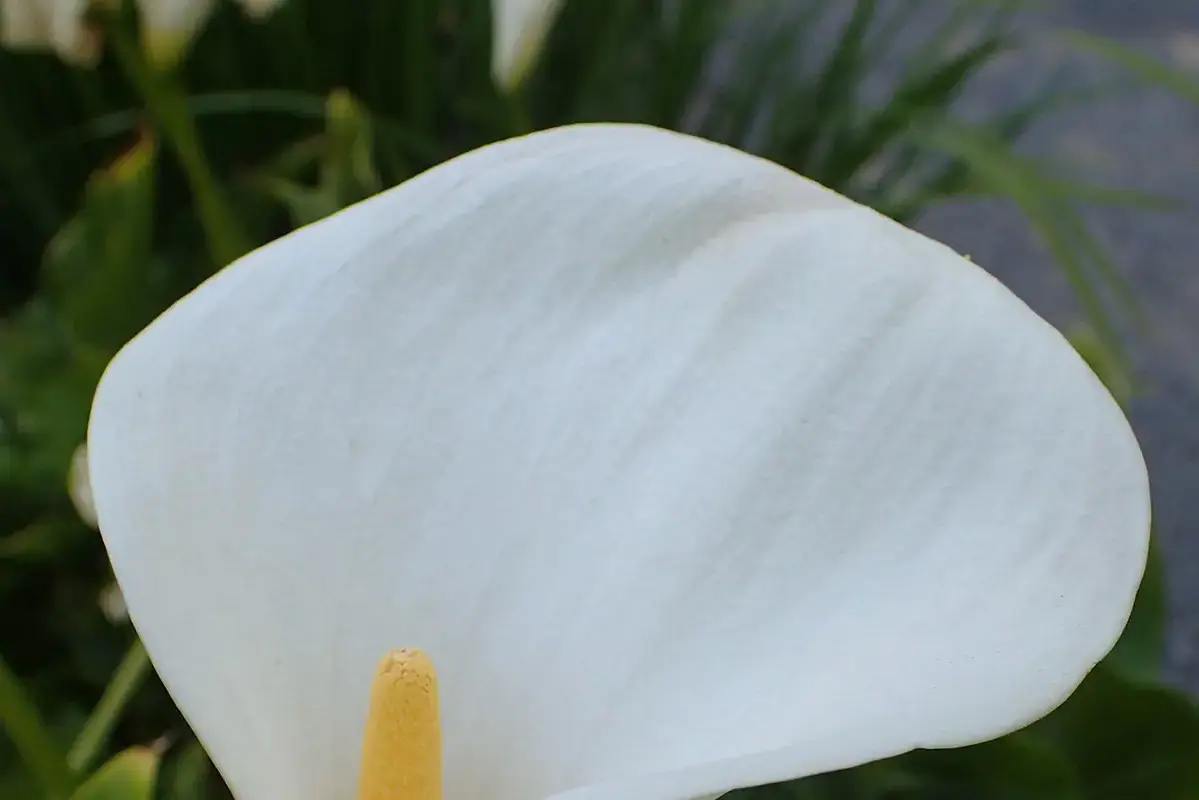
A table number is legible on the empty table but disappears behind the finished flowers. Instead of trimming the whole bouquet, can a planned opening preserve both the design and the wayfinding message? This guide works alongside the creating intentional space between flowers so you can separate the first observation from the next action.
Where guests first look
Check from the entrance and normal standing distance, not only from the arranging stool.
Letters against the background
A visible card edge does not mean its number can be read.
Buds near the viewing line
A tight lily or peony may occupy much more space after opening.
A dry independent card holder
Paper, ink and a card clip should not rely on the vase water or squeeze a flower neck.
Read the evidence before acting
A measured care sequence
- 01Mark the useful viewing route
Set the table and sign in their final positions, then walk the route a visitor would take. Use the actual printed card rather than judging an empty holder.
- 02Arrange around the sign independently
Keep every cut end in water and the card on a dry base. Preserve the central support of the bouquet instead of pulling out load-bearing stems simply to clear the numeral.
- 03Test with another reader
Ask someone unfamiliar with the table assignment to read it from normal approach distance. Check both nearby directions where people actually walk.
- 04Repeat before the display is used
Look again after the flowers settle or open. If readability remains fragile, move the sign outside the bouquet silhouette rather than adding more ties or tape.
Keep, adjust or remove?
- Where guests first lookCheck from the entrance and normal standing distance, not only from the arranging stool.
- Letters against the backgroundA visible card edge does not mean its number can be read.
- Buds near the viewing lineA tight lily or peony may occupy much more space after opening.
- A dry independent card holderPaper, ink and a card clip should not rely on the vase water or squeeze a flower neck.
After each water change, return the card to its own marked position and recheck the number from the approach. The arrangement succeeds only if maintenance does not undo the readable route. For a related symptom, return to the creating intentional space between flowers rather than applying several changes at once.
Research notes
Sources and editorial method
This guide turns general postharvest and preservation advice into visible household checks. Timing and thresholds are starting points: cultivar, harvest stage, transport, room humidity and vase condition can change how a particular flower responds.


