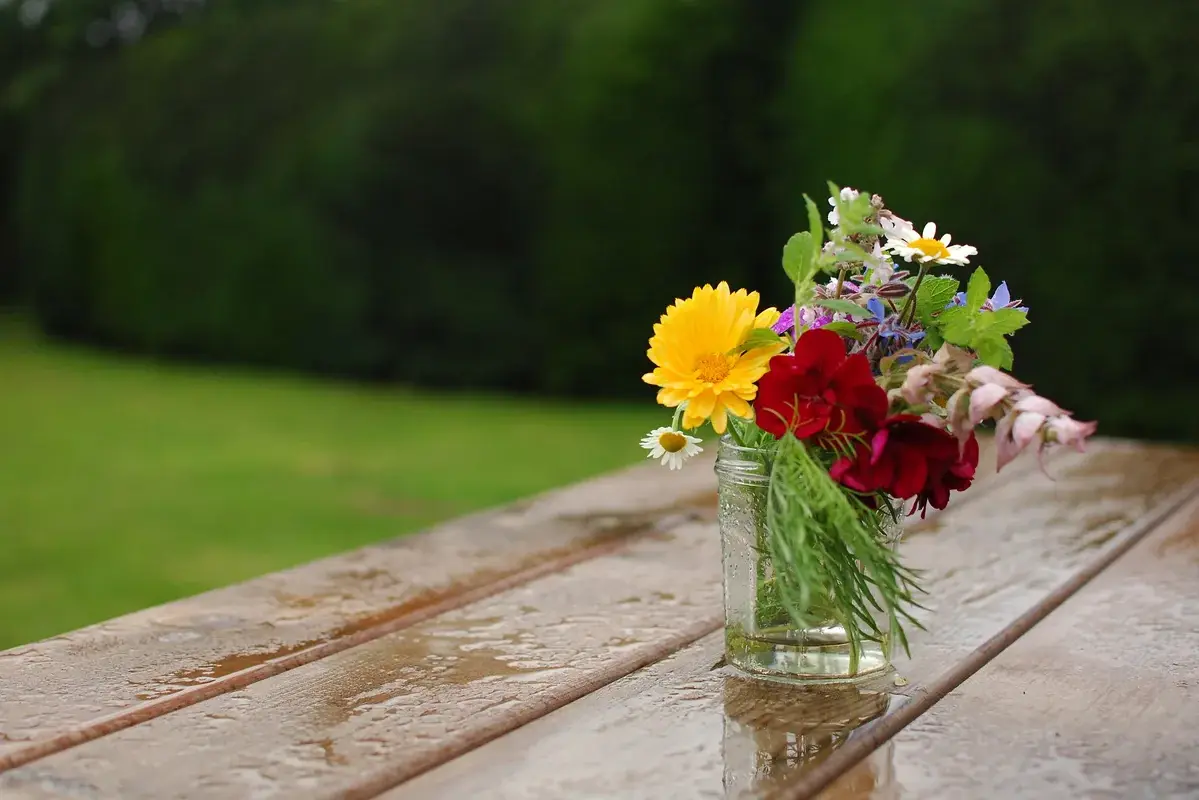
A miniature vase looks empty with one bloom, so should you wedge several stems into its neck? The limiting factor is often access to the water and support at the opening, not whether the top looks full on day one. This guide works alongside the waterline care for short stems so you can separate the first observation from the next action.
Test the empty vessel on the display surface
A light bud vase with a narrow foot can tip once a flower head projects to one side.
Check how the stems touch the rim
Gentle support is useful; squeezed leaves, scraped stems or heads stuck together signal crowding.
See the cut ends and fill line
Small water volumes drop quickly. If you cannot inspect the base, the vase is too crowded for easy maintenance.
Compare flower mass with stem length
One large head may need a shorter stem or a different vessel rather than additional filler.
Read the evidence before acting
A measured care sequence
- 01Choose a sound candidate
Look for a firm neck and stem with enough length to reach water while keeping the head clear of the rim.
- 02Prepare the tiny vessel
Wash it, fill to a visible safe line and test stability on a flat surface away from traffic.
- 03Fit stems individually
Place the first flower and inspect the cut end. Try one more only if both can be lifted out without scraping or tangling.
- 04Check morning and evening
Small volumes can change quickly; observe the cut ends, water level and vase balance as the heads open.
Keep, adjust or remove?
- Test the empty vessel on the display surfaceA light bud vase with a narrow foot can tip once a flower head projects to one side.
- Check how the stems touch the rimGentle support is useful; squeezed leaves, scraped stems or heads stuck together signal crowding.
- See the cut ends and fill lineSmall water volumes drop quickly. If you cannot inspect the base, the vase is too crowded for easy maintenance.
- Compare flower mass with stem lengthOne large head may need a shorter stem or a different vessel rather than additional filler.
A good bud vase is serviceable with its flowers inside. If you cannot see the waterline or remove a stem gently, edit the arrangement. For a related symptom, return to the waterline care for short stems rather than applying several changes at once.
Research notes
Sources and editorial method
This guide turns general postharvest and preservation advice into visible household checks. Timing and thresholds are starting points: cultivar, harvest stage, transport, room humidity and vase condition can change how a particular flower responds.