How do you keep Craspedia stems upright without soaking the golden flower heads or overworking their wiry bases? This guide works alongside the heavy-headed flower support guide so you can separate the first observation from the next action.
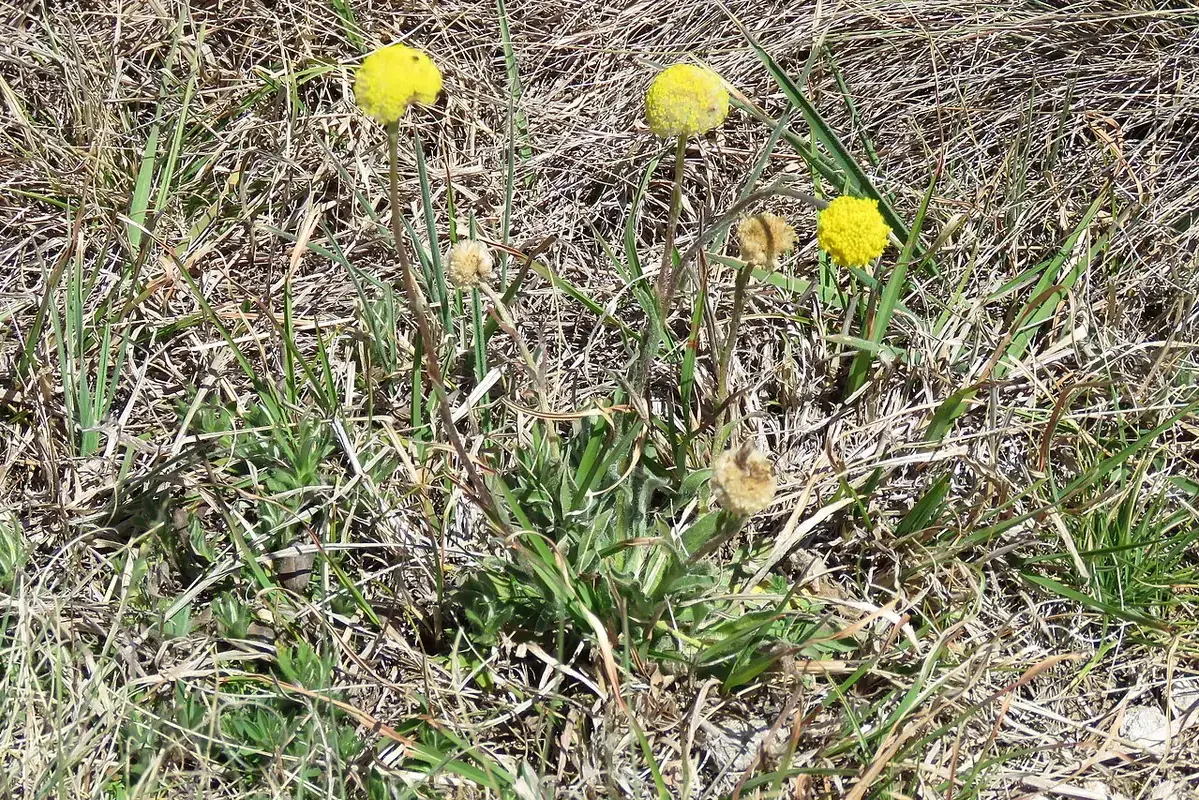
Dry, firm yellow sphere
A dry head should not be misted simply because the stem looks wiry.
Wiry stem leaning at the rim
Support at the vase opening is safer than forcing or tying the flower head.
Bare lower stem below, head above
The spherical flower should never be used to judge water depth.
Particles or soft tissue at the cut
A clean-looking golden head can outlast a failing lower stem.
Read the evidence before acting
A measured care sequence
- 01Choose sound stems
Select upright stems with clean bases and intact dry spheres; leave damaged heads out of the main vase.
- 02Set the waterline
Remove only lower leaves that would touch water and fill enough to cover the fresh cuts.
- 03Support gently
Use a narrow opening or companion stems, allowing the round heads to remain separate and dry.
- 04Inspect the base
At each water check, look for debris and softness below the line before topping up.
Keep, adjust or remove?
- Dry, firm yellow sphereA dry head should not be misted simply because the stem looks wiry.
- Wiry stem leaning at the rimSupport at the vase opening is safer than forcing or tying the flower head.
- Bare lower stem below, head aboveThe spherical flower should never be used to judge water depth.
- Particles or soft tissue at the cutA clean-looking golden head can outlast a failing lower stem.
Preserve the dry golden head by solving support and waterline problems at the base rather than spraying the flower. For a related symptom, return to the heavy-headed flower support guide rather than applying several changes at once.
Research notes
Sources and editorial method
This guide turns general postharvest and preservation advice into visible household checks. Timing and thresholds are starting points: cultivar, harvest stage, transport, room humidity and vase condition can change how a particular flower responds.