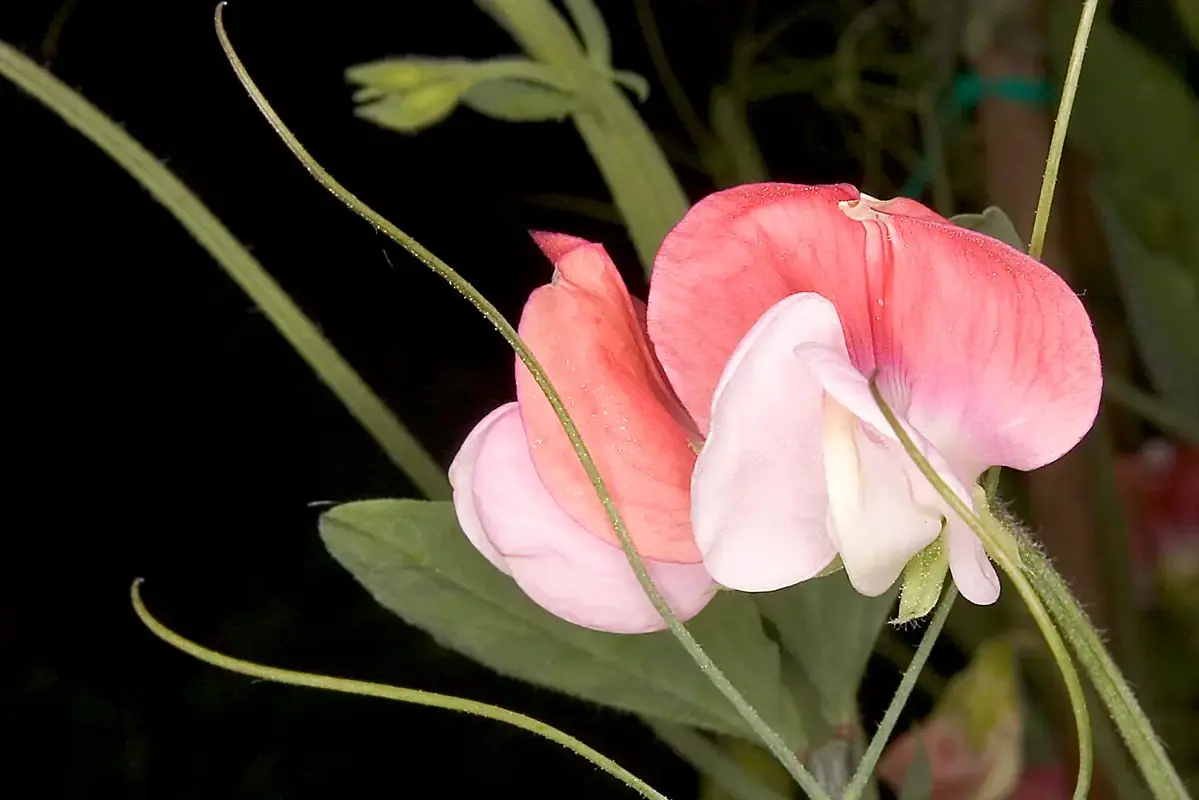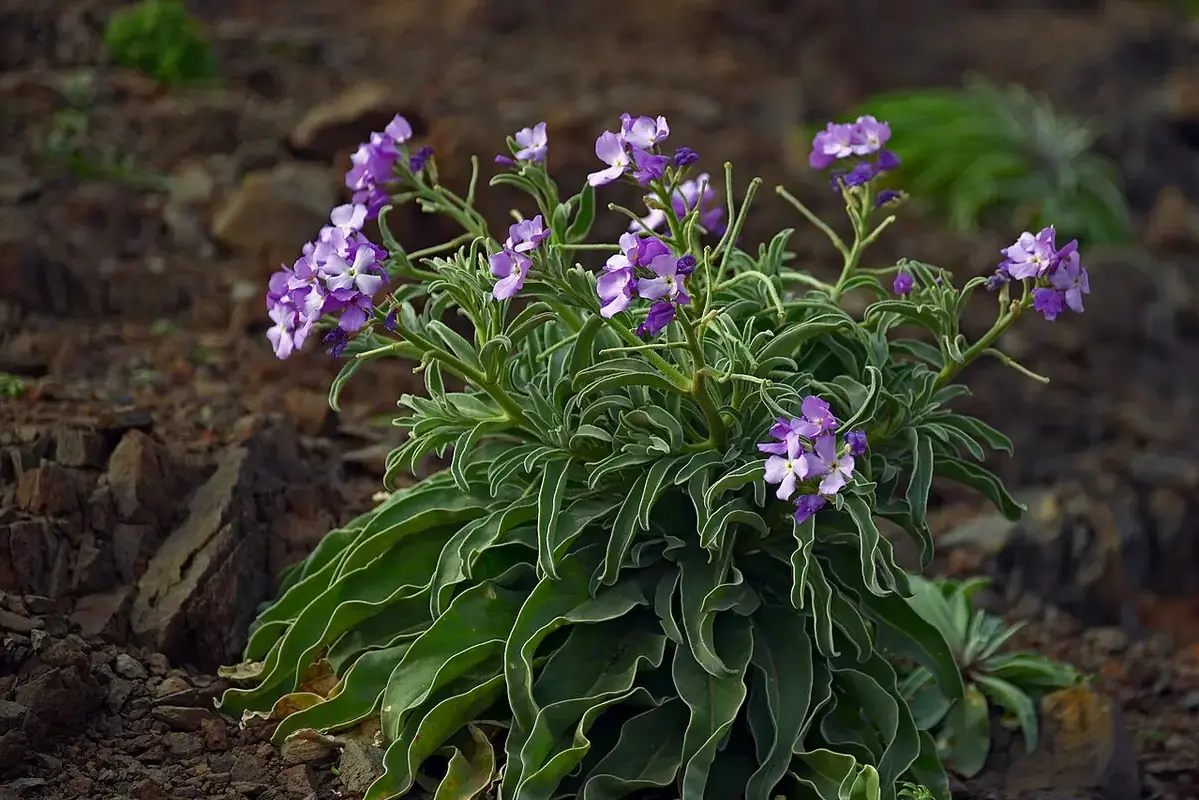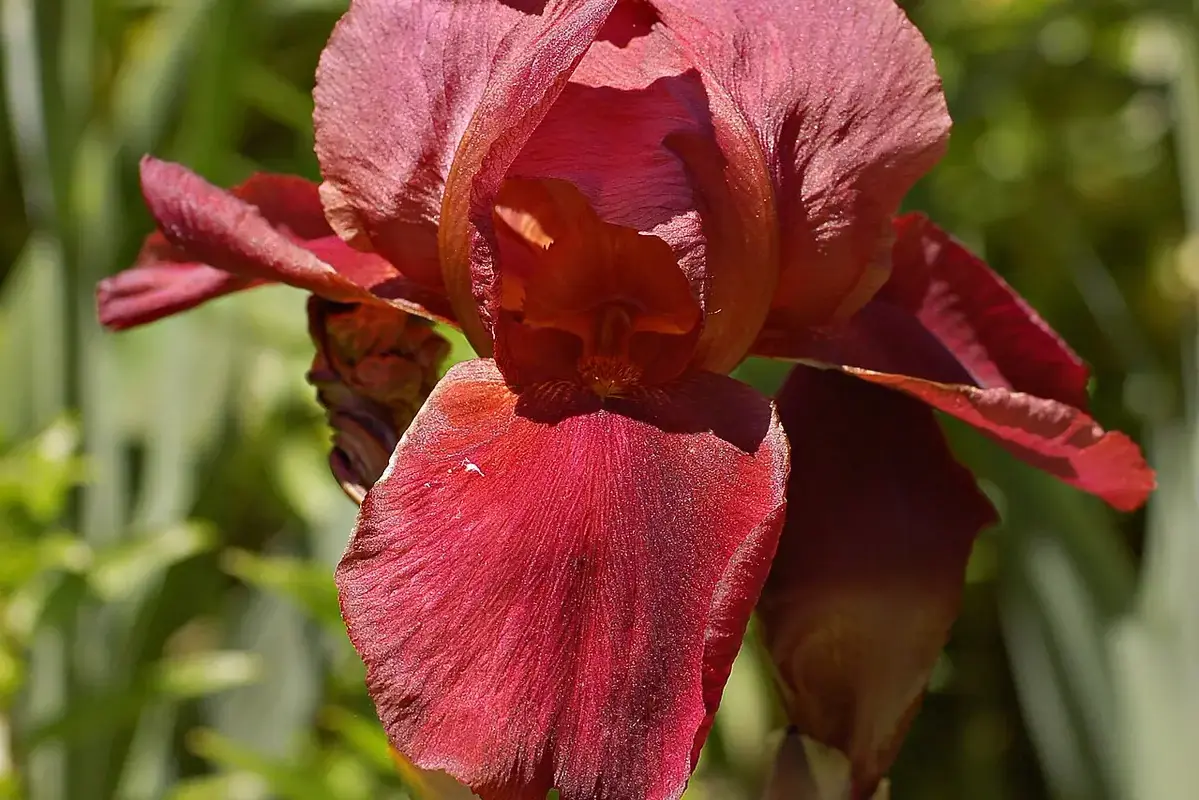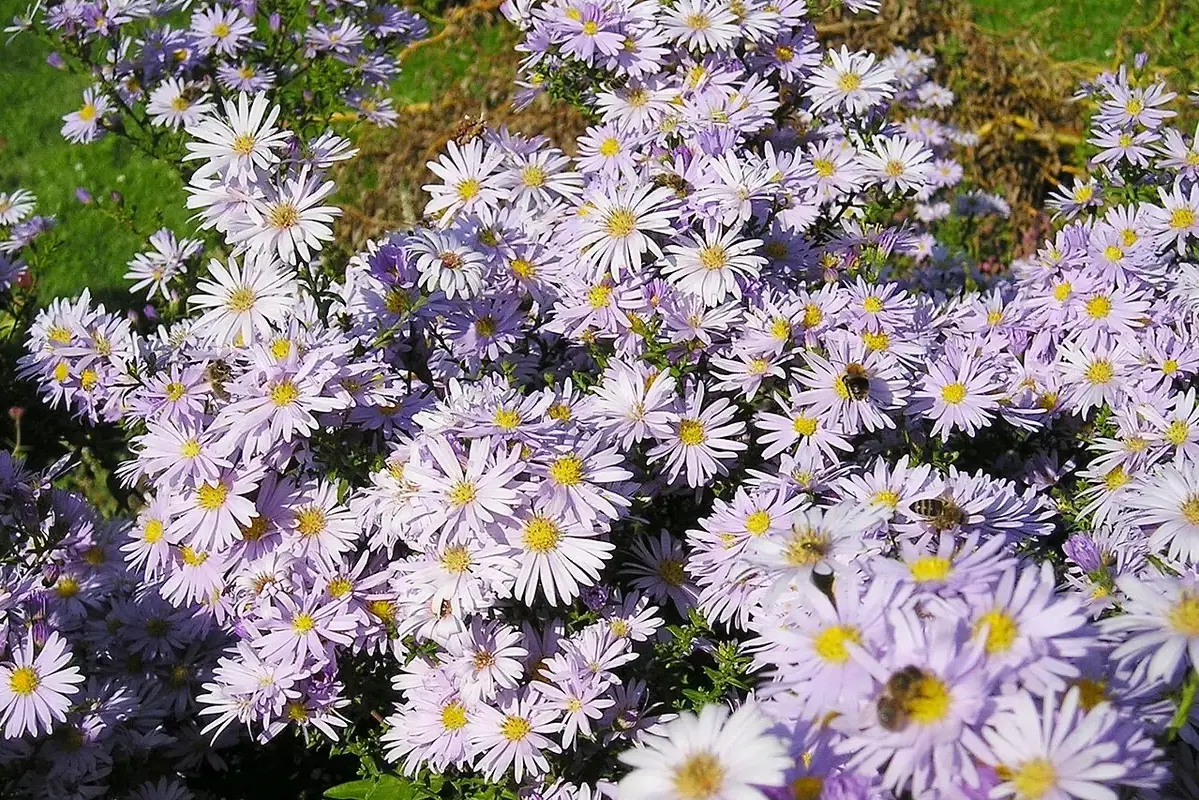
Are curled leaf edges on cut flowers a water problem, dry air, or normal foliage shape? This guide works alongside the yellow leaf timing guide so you can separate the first observation from the next action.
Crisp or limp margin
Crisp edges suggest drying exposure while limp tissue needs a stem and water check.
One side or all around
A fan, vent or window can affect the exposed side first.
Firm or soft base
Leaf shape alone cannot establish whether the stem can remain in the vase.
Clear or changing water
Cloudiness, slime or odour raises the priority of a full vase reset.
Read the evidence before acting
A measured care sequence
- 01Compare leaves
Inspect a new, middle and lower leaf without bending them repeatedly.
- 02Check exposure
Look for a directional vent, fan, sunbeam or hot surface on the curled side.
- 03Reset only if needed
If water is slick, cloudy or odorous, move flowers to clean temporary water before washing the vase.
- 04Review the bloom
Keep the stem only if the flower head and neck remain firm after the environmental change.
Keep, adjust or remove?
- Crisp or limp marginCrisp edges suggest drying exposure while limp tissue needs a stem and water check.
- One side or all aroundA fan, vent or window can affect the exposed side first.
- Firm or soft baseLeaf shape alone cannot establish whether the stem can remain in the vase.
- Clear or changing waterCloudiness, slime or odour raises the priority of a full vase reset.
Curling is a clue, not a diagnosis: combine leaf texture with stem condition and the direction of room stress. For a related symptom, return to the yellow leaf timing guide rather than applying several changes at once.
Research notes
Sources and editorial method
This guide turns general postharvest and preservation advice into visible household checks. Timing and thresholds are starting points: cultivar, harvest stage, transport, room humidity and vase condition can change how a particular flower responds.