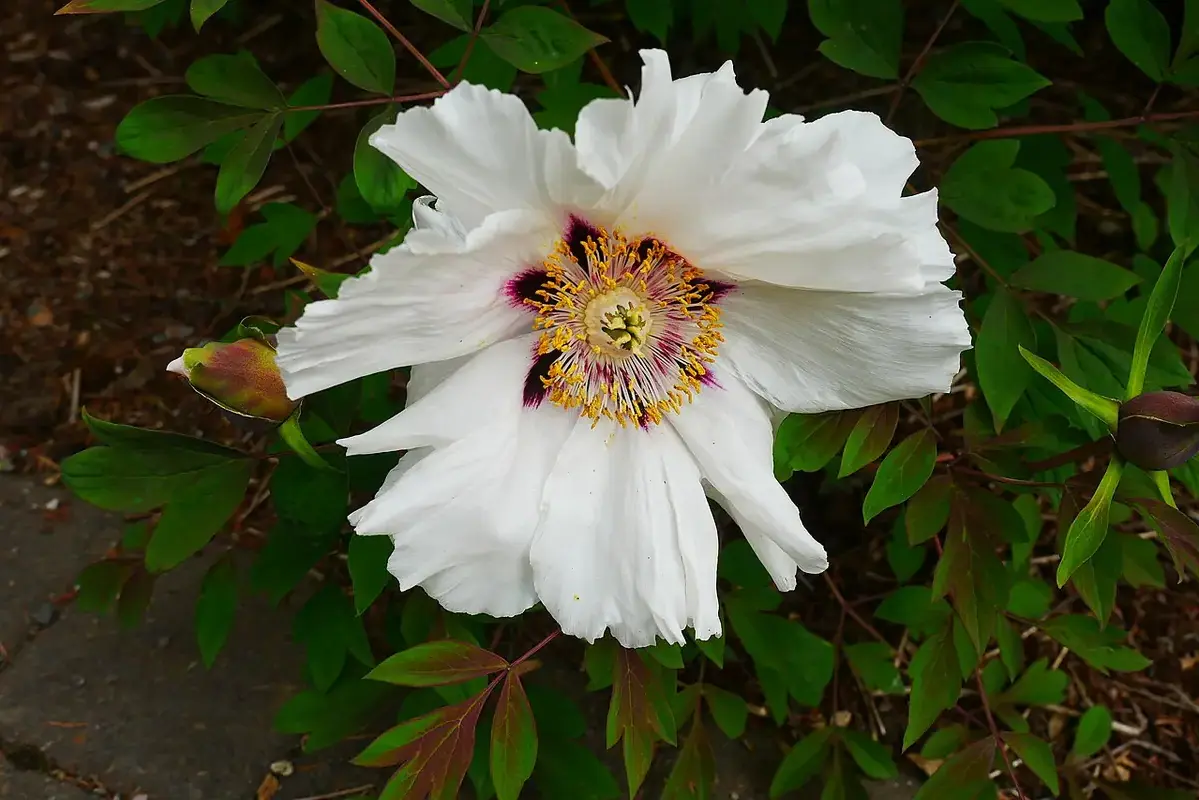
Freesia flower along a one-sided stem and usually opens progressively from the lower buds upward. Keep stems cool and upright, remove only spent flowers and give unopened buds time rather than pulling them apart. This guide works alongside the bud-opening guide so you can separate the first observation from the next action.
Which bud opens first?
Progress along the stem is more useful than judging one unopened bud.
Is the lower section firm?
A firm base supports continued development; a soft base needs isolation.
Is the room cool and calm?
Heat accelerates ageing and can make the sequence look uneven.
Are the sprays crowded?
Room around each stem protects buds from rubbing and bending.
Read the evidence before acting
A measured care sequence
- 01Choose a narrow clean vessel
Support the tall spray while keeping the flower heads above the waterline.
- 02Make a clean recut
Remove a small damaged section and place the stem in prepared water immediately.
- 03Mark the opening sequence
Photograph the spray after placing it in the vase and compare after 24 hours.
- 04Remove only finished flowers
Snip faded blooms at their small attachment without pulling on unopened buds.
Keep, adjust or remove?
- Which bud opens first?Progress along the stem is more useful than judging one unopened bud.
- Is the lower section firm?A firm base supports continued development; a soft base needs isolation.
- Is the room cool and calm?Heat accelerates ageing and can make the sequence look uneven.
- Are the sprays crowded?Room around each stem protects buds from rubbing and bending.
If buds stop progressing while the water remains clear, check temperature, light and harvest maturity. Do not force the petals or add extra food outside the label ratio. For a related symptom, return to the bud-opening guide rather than applying several changes at once.
Research notes
Sources and editorial method
This guide turns general postharvest and preservation advice into visible household checks. Timing and thresholds are starting points: cultivar, harvest stage, transport, room humidity and vase condition can change how a particular flower responds.


