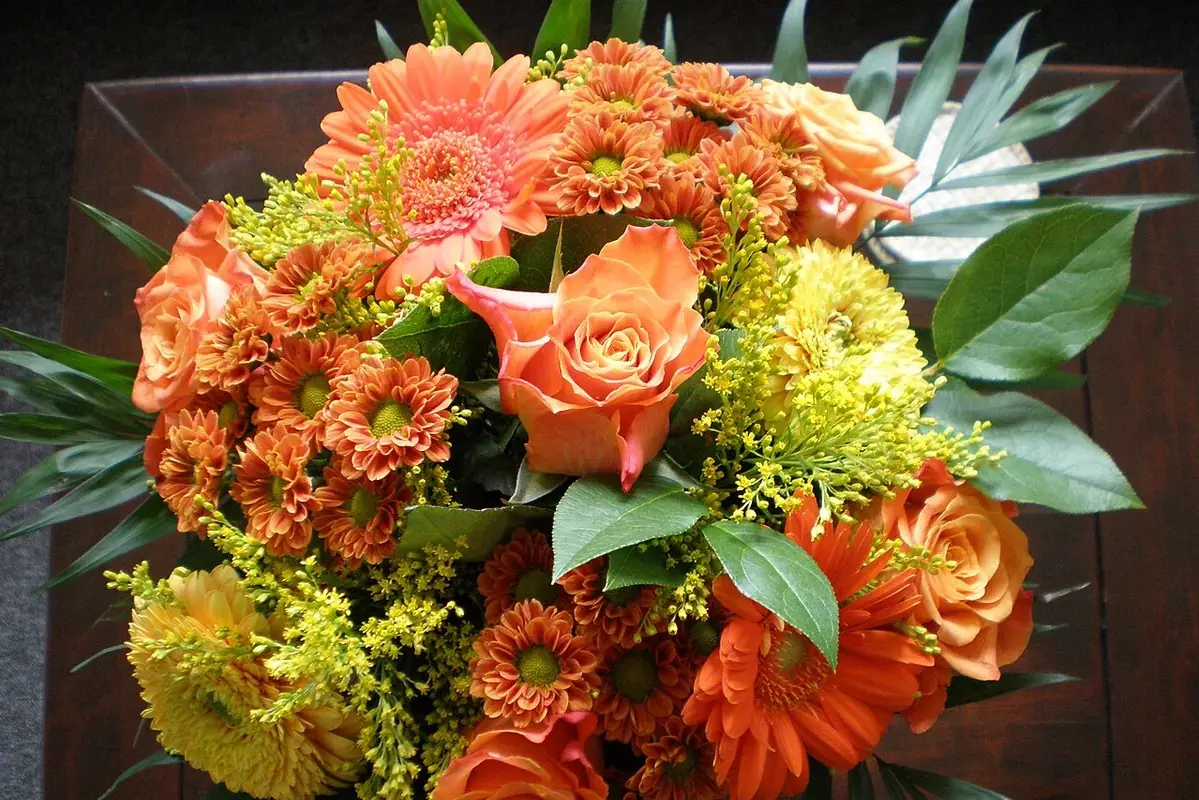
The last flowers have been removed, leaving half a vase of cloudy flower-food solution. Should it go down a sink, onto a flower bed or into the houseplants? The answer depends on what went into it, the product directions and the local waste system. The word food is not evidence that a spent cut-flower solution is suitable fertilizer. This guide works alongside the why used flower-food water should not start another bouquet so you can separate the first observation from the next action.
Account for everything added
Distinguish a correctly diluted household flower-food packet from commercial treatments, cleaner residue or a mixture of home remedies. Save the packet or product name until disposal is resolved.
Separate a spent vase from stock solution
A small amount of used diluted solution is not equivalent to a bottle of concentrate. Instructions for one should not be applied to the other.
Know whether the route is sanitary or stormwater
An outdoor drain may discharge to local waterways rather than to wastewater treatment. Do not choose it because it is closer to the display.
Keep stems and mechanics out of plumbing
Strain or lift out leaves, ties, wire and loose petals before any permitted liquid disposal. Use the local solid-waste route for the material itself.
Read the evidence before acting
A measured care sequence
- 01Write down the contents
List the flower-food brand, approximate dilution and any additives. Check the label or supplier information; if the instructions are absent, ask before pouring.
- 02Separate the solids
Lift stems and fragments into an appropriate waste container. Do not use a kitchen food strainer for questionable chemical mixtures, and do not send floral wire or support materials into a drain.
- 03Confirm the local route
Check with the wastewater provider or waste service, especially where a septic system is used. Follow the stricter applicable instruction rather than assuming a household sink is always acceptable.
- 04Finish without mixing cleaners
After approved disposal, clean the empty vessel according to its material and the cleaner label. Never combine leftover vase chemicals with bleach, acids or other cleaners to neutralize them.
Keep, adjust or remove?
- Account for everything addedDistinguish a correctly diluted household flower-food packet from commercial treatments, cleaner residue or a mixture of home remedies. Save the packet or product name until disposal is resolved.
- Separate a spent vase from stock solutionA small amount of used diluted solution is not equivalent to a bottle of concentrate. Instructions for one should not be applied to the other.
- Know whether the route is sanitary or stormwaterAn outdoor drain may discharge to local waterways rather than to wastewater treatment. Do not choose it because it is closer to the display.
- Keep stems and mechanics out of plumbingStrain or lift out leaves, ties, wire and loose petals before any permitted liquid disposal. Use the local solid-waste route for the material itself.
The useful record is the identity of the solution and its approved route. Resolve that before the next bouquet so the old mixture is not left around, tipped outdoors or silently reused. For a related symptom, return to the why used flower-food water should not start another bouquet rather than applying several changes at once.
Research notes
Sources and editorial method
This guide turns general postharvest and preservation advice into visible household checks. Timing and thresholds are starting points: cultivar, harvest stage, transport, room humidity and vase condition can change how a particular flower responds.