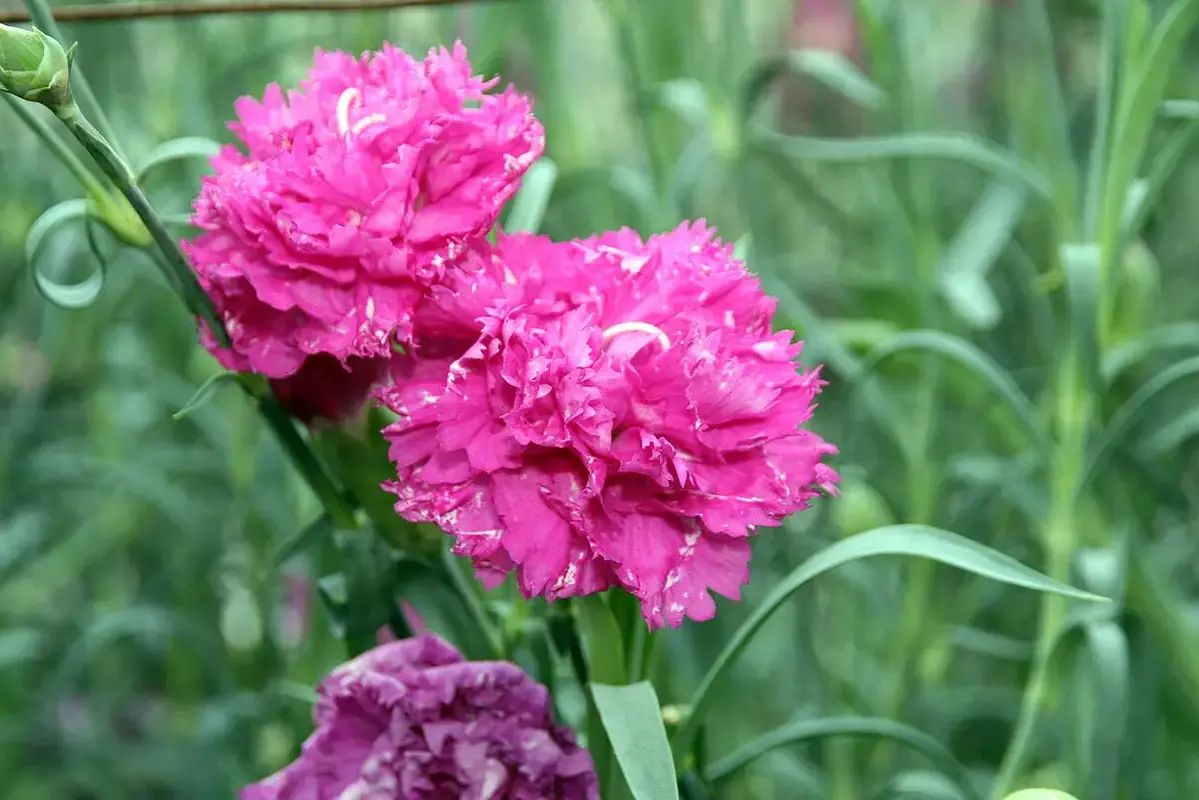
A spray carries enough flower heads for several tiny vases, but do its individual branches have enough stem? Deliberate division is irreversible, unlike simply moving the intact spray to a wider opening. This guide works alongside the handling an already broken side branch so you can separate the first observation from the next action.
Usable branch below the bloom
Count actual stem length, not the length borrowed from the parent axis.
Attachment to the main stem
Find a clear cutting position that will not split the remaining spray.
A separate submerged cut end
Each detached piece becomes responsible for its own water contact.
The intact versus divided design
Several heads do not automatically make several useful independent stems.
Read the evidence before acting
A measured care sequence
- 01Lay out the receiving vessels
Fill and position them before cutting so every useful piece can enter water promptly.
- 02Measure one branch externally
Hold it beside its vase and include enough length for both support and cut-end coverage.
- 03Make the first clean division
Use a suitable sharp tool below the chosen branch without wrenching the fork sideways.
- 04Check before continuing
If the detached head falls against the rim or its base misses water, stop and retain the rest intact.
Keep, adjust or remove?
- Usable branch below the bloomCount actual stem length, not the length borrowed from the parent axis.
- Attachment to the main stemFind a clear cutting position that will not split the remaining spray.
- A separate submerged cut endEach detached piece becomes responsible for its own water contact.
- The intact versus divided designSeveral heads do not automatically make several useful independent stems.
Compare the smaller vases after they settle. Keep only pieces with sound tissue and a dependable water path; do not crowd in unusable fragments just to account for every flower head. For a related symptom, return to the handling an already broken side branch rather than applying several changes at once.
Research notes
Sources and editorial method
This guide turns general postharvest and preservation advice into visible household checks. Timing and thresholds are starting points: cultivar, harvest stage, transport, room humidity and vase condition can change how a particular flower responds.


