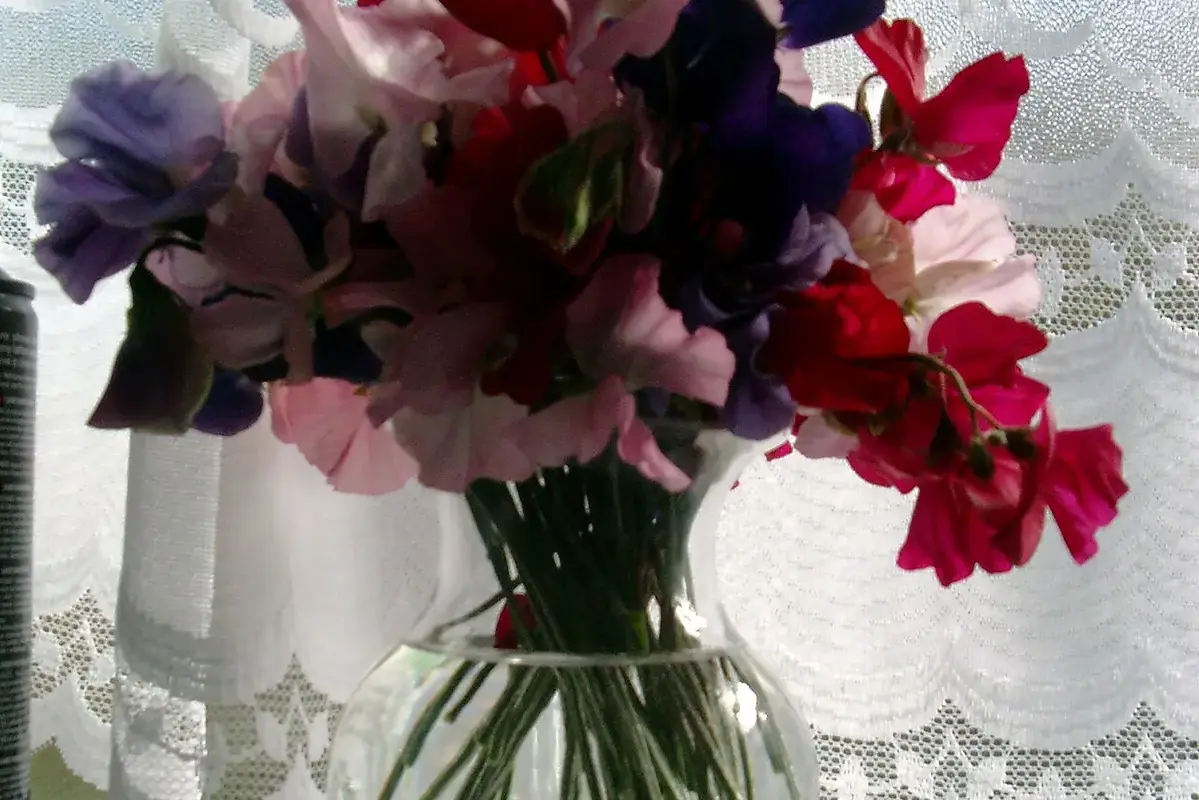
What should you check when a cut-flower bouquet arrives? Record the outside package, then inspect the flower heads, lower foliage, cut ends and any transport water. This sequence separates shipping pressure or dehydration from a stem that was already deteriorating. This guide works alongside the fresh cut-flower selection guide so you can separate the first observation from the next action.
Wrap is wet or compressed
Wet paper can press on petals and compression can hide a damaged neck.
Petals are firm, bruised or translucent
Texture and boundary distinguish handling marks from a soft deterioration concern.
Ends are dry, split, slimy or firm
The cut surface tells you whether a selective recut is warranted.
One stem or the whole bunch is affected
A local defect calls for isolation, not automatic rejection of every stem.
Read the evidence before acting
A measured care sequence
- 01Photograph unopened evidence
Capture the label, wrap and visible moisture before removing ties or changing the stems.
- 02Open from the outside in
Cut paper or sleeves away from heads and support the bunch while exposing the bases.
- 03Inspect five zones
Check heads, necks, leaves, ends and transport water; record the pattern rather than one alarming flower.
- 04Make a condition-based first move
Recut only dry or damaged tissue, keep questionable stems separate and hydrate firm stems promptly.
Keep, adjust or remove?
- Wrap is wet or compressedWet paper can press on petals and compression can hide a damaged neck.
- Petals are firm, bruised or translucentTexture and boundary distinguish handling marks from a soft deterioration concern.
- Ends are dry, split, slimy or firmThe cut surface tells you whether a selective recut is warranted.
- One stem or the whole bunch is affectedA local defect calls for isolation, not automatic rejection of every stem.
After the check, give sound stems a clean first vase and keep photos of material that was visibly damaged on arrival. Revisit the same stems after the first quiet hydration period. For a related symptom, return to the fresh cut-flower selection guide rather than applying several changes at once.
Research notes
Sources and editorial method
This guide turns general postharvest and preservation advice into visible household checks. Timing and thresholds are starting points: cultivar, harvest stage, transport, room humidity and vase condition can change how a particular flower responds.


