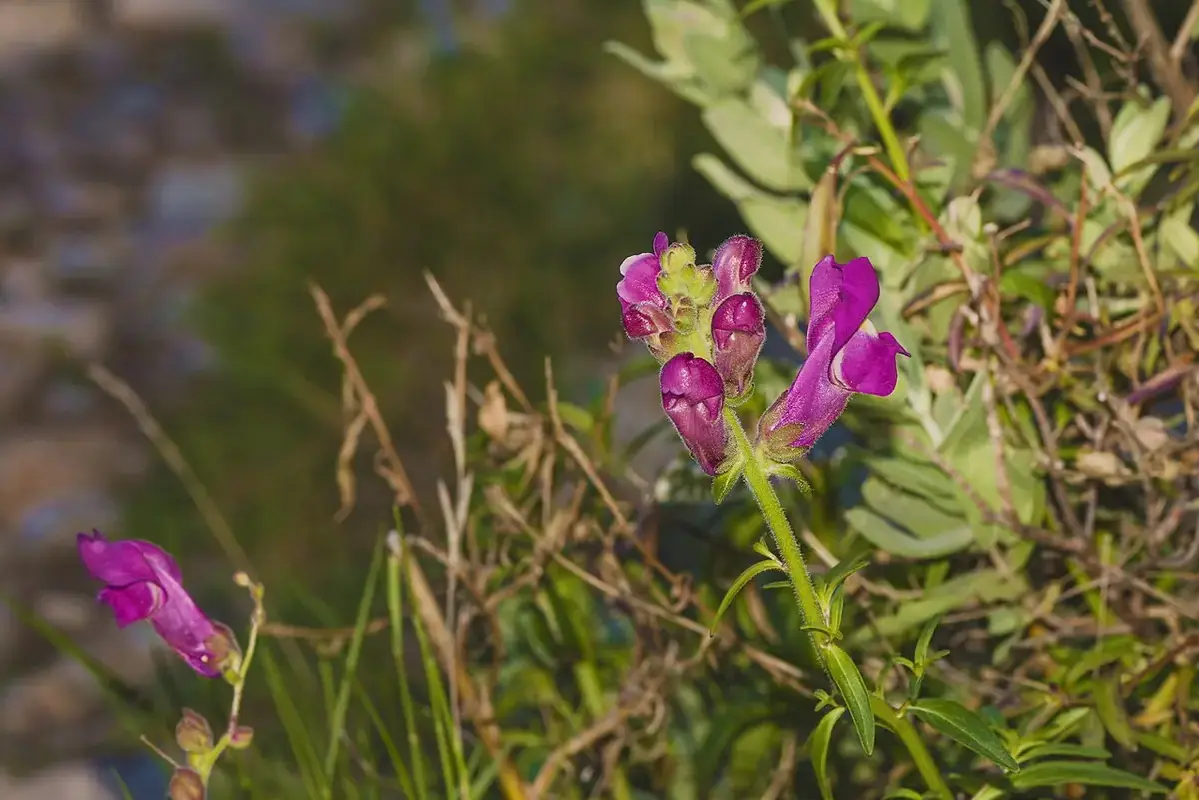
A vase rim concentrates force. Every time a stem leans against the same point, the glass becomes a fulcrum and the flower head becomes the weight. The result can look like poor water uptake even when the cut end is wet and healthy. For the next step, read the firm-tissue cut guide.
Find the bend before reaching for the shears. A low bend, a rim bend and a neck bend are three different problems with three different fixes.
Check water and tissue
The lower stem may be soft, dry or damaged. Inspect it outside the arrangement.
Check the opening
Pressure, a wide opening or an awkward angle can make sound stems fold outward.
Check the neck
A crisp kink or split is structural damage. Support can disguise it but cannot restore the tissue.
Check the design weight
If every stem leans, the vessel may be too low, too wide or placed where a draft moves the heads.
Run a single-stem vessel test
- 01Photograph the bend
Take a side view so you can compare the same stem after the change. Note whether the fold is sharp or simply curved.
- 02Move one stem into a clean narrow opening
Keep the cut end in prepared water and give the flower room above the rim. Do not recut yet.
- 03Wait 30 minutes away from drafts
If the head lifts, the original geometry was contributing. If the stem stays folded, look for tissue damage or dehydration.
- 04Choose the smallest correction
Change the vessel, lower the flower or recut above damage. Preserve the rest of the bouquet if it is sound.
Match the correction to the location
Check the arrangement after the adjustment
Look again after an hour and the next morning. A successful change leaves the stem firm, the head supported and the water clear. If only one flower fails, remove that flower rather than repeatedly handling every stem. If all stems bend again, revisit the placement, vessel height and airflow.
The diagnostic principle
Geometry before grooming
General cut-flower care recommends clean cuts, prompt hydration and protection from mechanical damage. The single-stem test is a practical way to separate vessel fit from water-path failure without sacrificing the whole bouquet.


