Ripening fruit releases ethylene, a colourless plant hormone that can shorten flower life, cause abnormal development or keep sensitive buds from opening. If closed flowers are already the concern, use the bud viability scorecard before blaming the fruit bowl; harvest maturity and water uptake can produce a similar result.
Moving the vase reduces further exposure but does not repair tissue that has already yellowed, dropped or failed. Give the relocated bouquet clean water using the water-change decision schedule, then judge only new changes over the following 24–48 hours.
A practical room map
Distance is useful only when the air is not trapped
Shared surface: avoid
The flowers sit inside the fruit bowl's immediate air zone. Do not use this as a permanent dining-table display.
Open-room starting point
Suitable only for a small bowl, normal ventilation and flowers without obvious ethylene sensitivity.
Preferred for higher risk
Choose this for ripe fruit, several fruit bowls, sensitive flower species or a kitchen that is closed overnight.

Score the real household risk
Add risk when fruit is aromatic, softening or spotted
A firm refrigerated apple is a different source from several bananas turning yellow-brown on the counter.
Add risk for ethylene-sensitive flowers
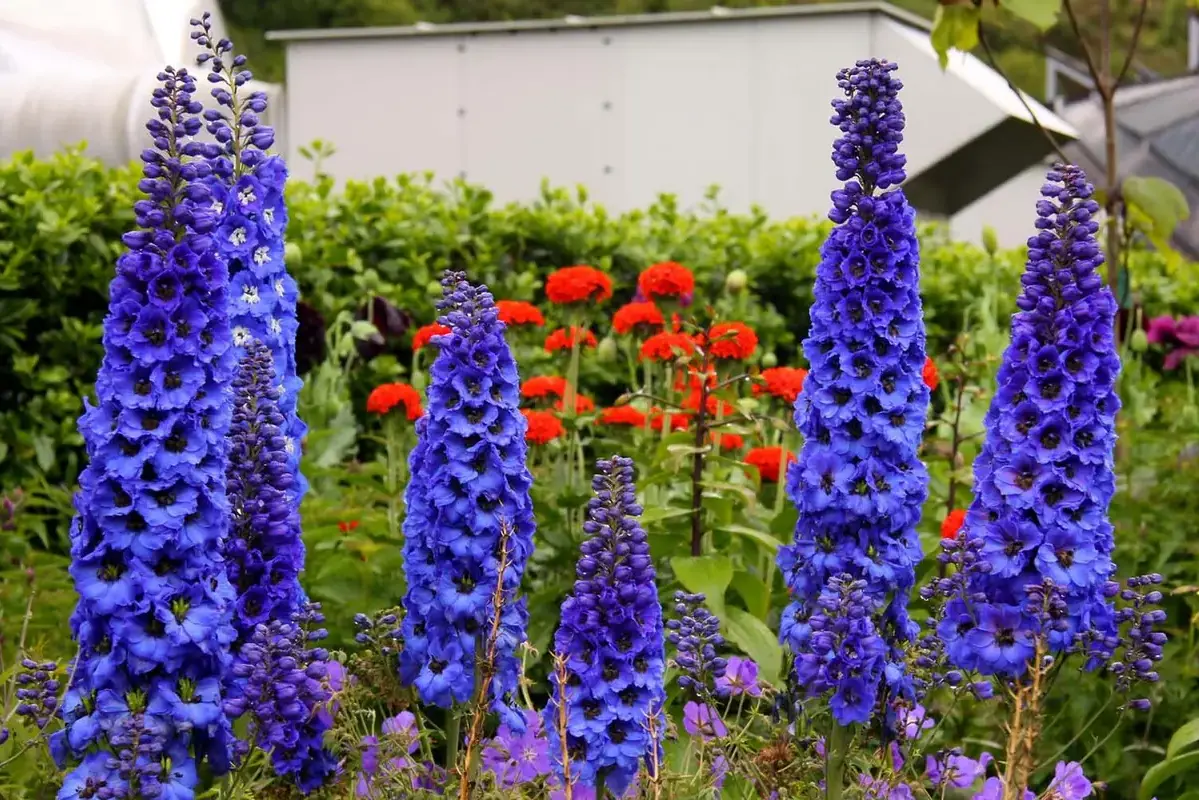
Delphinium, Asiatic lilies, snapdragons, aconitum and sweet peas are among the flowers identified as sensitive in extension guidance.
Add risk in a closed kitchen or cabinet-like nook
A metre in stagnant air is not equivalent to a metre in a large, normally ventilated room.
Add risk when the pairing remains overnight
A brief table setting is less concerning than keeping both items together through several warm days and closed nights.
Four common room decisions
What to do after flowers sat beside fruit
- 01Move the vase to clean room air
Choose a cool position away from direct sun, fumes and the fruit source. Do not seal flowers in a cupboard or plastic bag.
- 02Inspect sensitive symptoms
Look for yellowing, petal drop, bent or dropped buds and flowers that stop developing despite firm stems.
- 03Reset only if the water also needs it
Ethylene is airborne; changing perfectly clear water does not remove an air exposure. Change it if it is cloudy, smelly or due by the normal schedule.
- 04Observe new change for 24–48 hours
Stable firm flowers can remain. Remove stems that yellow, collapse or shed badly, especially if their tissue is also soft.
Which fruit deserves the most caution?
Prioritise fruit that is actively ripening at room temperature: bananas, apples, pears and avocados are common household examples. Quantity and maturity matter more than building a perfect ranking. One cool firm fruit is a smaller practical source than a crowded bowl of aromatic softening fruit. Tomatoes can also produce ethylene as they ripen, so a produce-heavy kitchen counter should be treated as one combined source.
Do not rely on scent
Ethylene itself is colourless and cannot be managed by waiting until the flowers or room smell different. Fruit aroma tells you that ripening is active, but no aroma does not prove zero exposure. A separate surface, reasonable distance and normal room ventilation are more useful controls than trying to detect the gas.
Research notes
Sources and editorial method
University extension guidance establishes the risks used here. Household distances and review times are practical starting rules, not universal biological thresholds; window orientation, ventilation, flower age and fruit ripeness change the result.