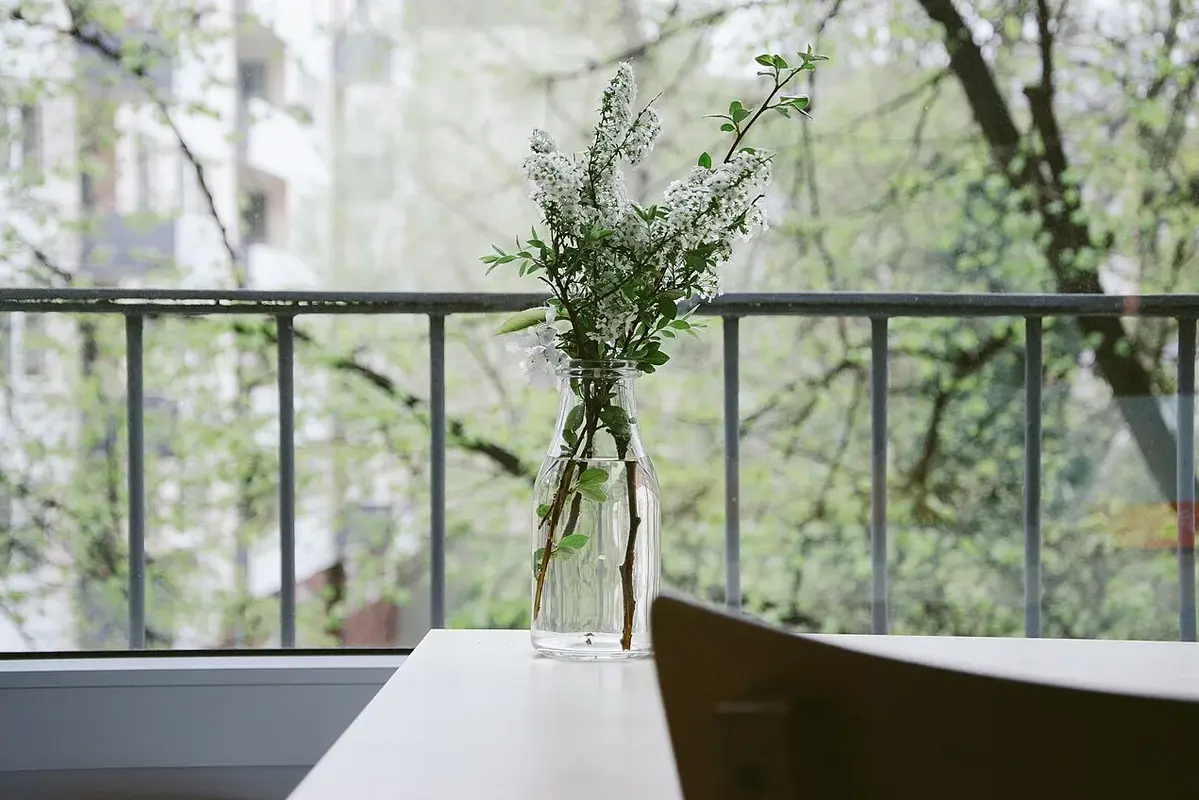
A flower-care tip mentions hot-water treatment, and the easiest container appears to be the cold glass vase already holding the bouquet. That shortcut combines two separate questions: whether the identified stem needs a special treatment, and whether the vessel is designed to receive very hot liquid. A yes to one does not answer the other. This guide works alongside the choosing ordinary vase-water temperature so you can separate the first observation from the next action.
Explicit hot-liquid suitability
A drinking-glass shape, thick wall or dishwasher-safe claim does not automatically authorize boiling-water use.
Glass recently chilled or heated
A vessel from a cold store or hot wash should not immediately receive liquid at the opposite extreme.
Chips, cracks or visible damage
Do not test questionable glass by filling it hotter; damaged vessels should leave wet flower service.
Routine refill or named stem treatment
Advice about briefly treating a particular cut end is not an instruction to heat the entire arrangement.
Read the evidence before acting
A measured care sequence
- 01Move the flowers to a sound holding vessel
Use clean ordinary holding water and keep the work area uncluttered. Do this before any washing or investigation so the bouquet is not balanced beside a kettle.
- 02Read the container instructions
Find the actual material and permitted use. When information is missing, choose conservative routine cleaning instead of inferring heat resistance from appearance or a previous successful attempt.
- 03Separate any specialist process
RHS describes hot-water conditioning for certain stems, not a universal vase refill. Only consider such work with confirmed species guidance and equipment explicitly suitable for the process; otherwise skip it.
- 04Return to normal display conditions
Use a clean undamaged vase and suitably prepared water. If glass has broken, treat the area as a glass hazard, let hot liquid cool safely and keep suspect flowers out until fragments are addressed.
Keep, adjust or remove?
- Explicit hot-liquid suitabilityA drinking-glass shape, thick wall or dishwasher-safe claim does not automatically authorize boiling-water use.
- Glass recently chilled or heatedA vessel from a cold store or hot wash should not immediately receive liquid at the opposite extreme.
- Chips, cracks or visible damageDo not test questionable glass by filling it hotter; damaged vessels should leave wet flower service.
- Routine refill or named stem treatmentAdvice about briefly treating a particular cut end is not an instruction to heat the entire arrangement.
The vase is equipment with its own limits, not just a transparent container. Keep routine care simple and leave specialist heat treatments out of the workflow unless both the plant guidance and the vessel requirements are clear. For a related symptom, return to the choosing ordinary vase-water temperature rather than applying several changes at once.
Research notes
Sources and editorial method
This guide turns general postharvest and preservation advice into visible household checks. Timing and thresholds are starting points: cultivar, harvest stage, transport, room humidity and vase condition can change how a particular flower responds.