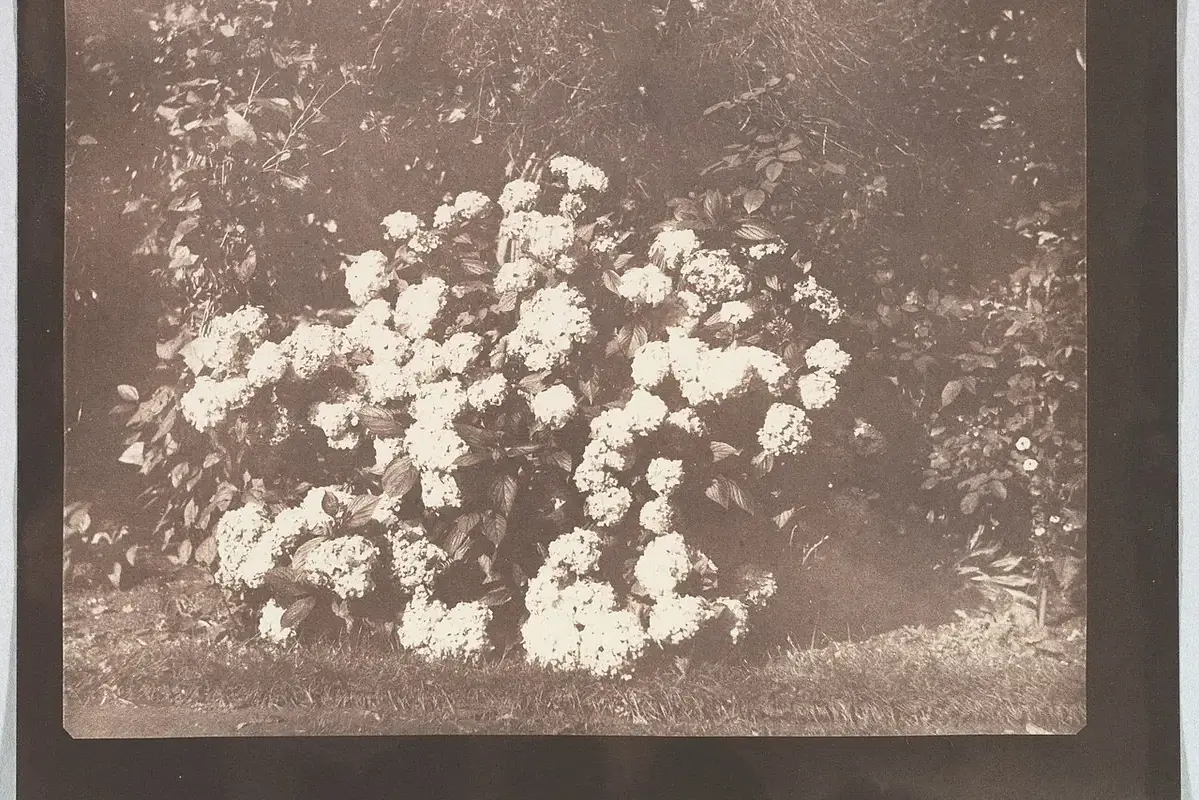
Garden and florist flowers can share a design when their stems are sound and their handling histories are compatible. Inspect homegrown stems for insects, soil and field heat, then condition both groups separately before combining them. This guide works alongside the mixed-bouquet decision guide so you can separate the first observation from the next action.
Any soil or insects?
Outdoor material can bring debris or pests into a display vessel.
Are the heads ready?
Garden flowers cut too early may not open while florist flowers are already advancing.
Does the cut release material?
Some stems need a separate conditioning period before joining others.
Were both groups hydrated?
Different dry periods change how much recovery each group needs.
Read the evidence before acting
A measured care sequence
- 01Harvest or unpack into shade
Keep both groups cool and out of direct sun while you prepare the containers.
- 02Clean and inspect garden stems
Remove soil, insects and damaged leaves without soaking the flower heads.
- 03Condition in separate water
Use two labelled clean vessels and compare firmness, odour and water clarity.
- 04Combine only after the test
Transfer stems, not old water, into a freshly prepared final vase.
Keep, adjust or remove?
- Any soil or insects?Outdoor material can bring debris or pests into a display vessel.
- Are the heads ready?Garden flowers cut too early may not open while florist flowers are already advancing.
- Does the cut release material?Some stems need a separate conditioning period before joining others.
- Were both groups hydrated?Different dry periods change how much recovery each group needs.
If the shared vase changes quickly after combining, split the groups again. The container test often identifies whether the issue follows the garden stems, the florist stems or the water. For a related symptom, return to the mixed-bouquet decision guide rather than applying several changes at once.
Research notes
Sources and editorial method
This guide turns general postharvest and preservation advice into visible household checks. Timing and thresholds are starting points: cultivar, harvest stage, transport, room humidity and vase condition can change how a particular flower responds.


