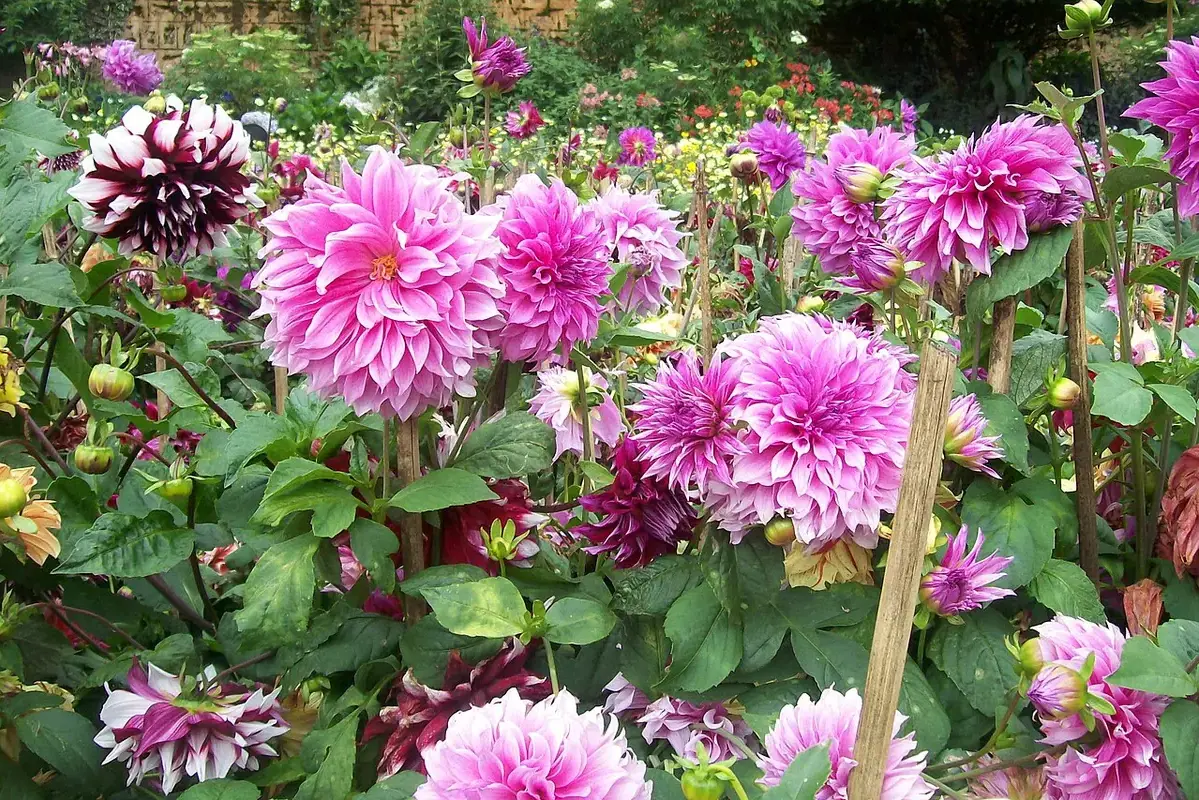
Soft outer petals with a firm centre can be cosmetic, especially when guard petals were pressed, chilled or exposed to moisture. Check whether the softness is dry and local or wet and spreading before grooming. This guide works alongside the translucent petal guide so you can separate the first observation from the next action.
Dry soft or wet soft?
Dry bruising and water-soaked tissue need different decisions.
Still firm?
A firm centre gives you time to inspect without rushing to discard.
Where was pressure applied?
A vase rim, sleeve or neighbouring head can soften one outer petal.
Is it moving inward?
Progression toward the centre increases the risk.
Read the evidence before acting
A measured care sequence
- 01Use side light
Look for a smooth bruise, translucent wet patch or loose petal attachment.
- 02Check the room and vase
Find steam, direct air, cold glass or a rim that presses the outer petals.
- 03Remove one loose petal only
Use dry clean hands and stop if tissue pulls or tears.
- 04Recheck after several hours
Keep the flower if the centre stays firm and the outer change remains contained.
Keep, adjust or remove?
- Dry soft or wet soft?Dry bruising and water-soaked tissue need different decisions.
- Still firm?A firm centre gives you time to inspect without rushing to discard.
- Where was pressure applied?A vase rim, sleeve or neighbouring head can soften one outer petal.
- Is it moving inward?Progression toward the centre increases the risk.
When in doubt, isolate the flower overnight. A clean test vase preserves a decision; a crowded main vase hides progression. For a related symptom, return to the translucent petal guide rather than applying several changes at once.
Research notes
Sources and editorial method
This guide turns general postharvest and preservation advice into visible household checks. Timing and thresholds are starting points: cultivar, harvest stage, transport, room humidity and vase condition can change how a particular flower responds.


