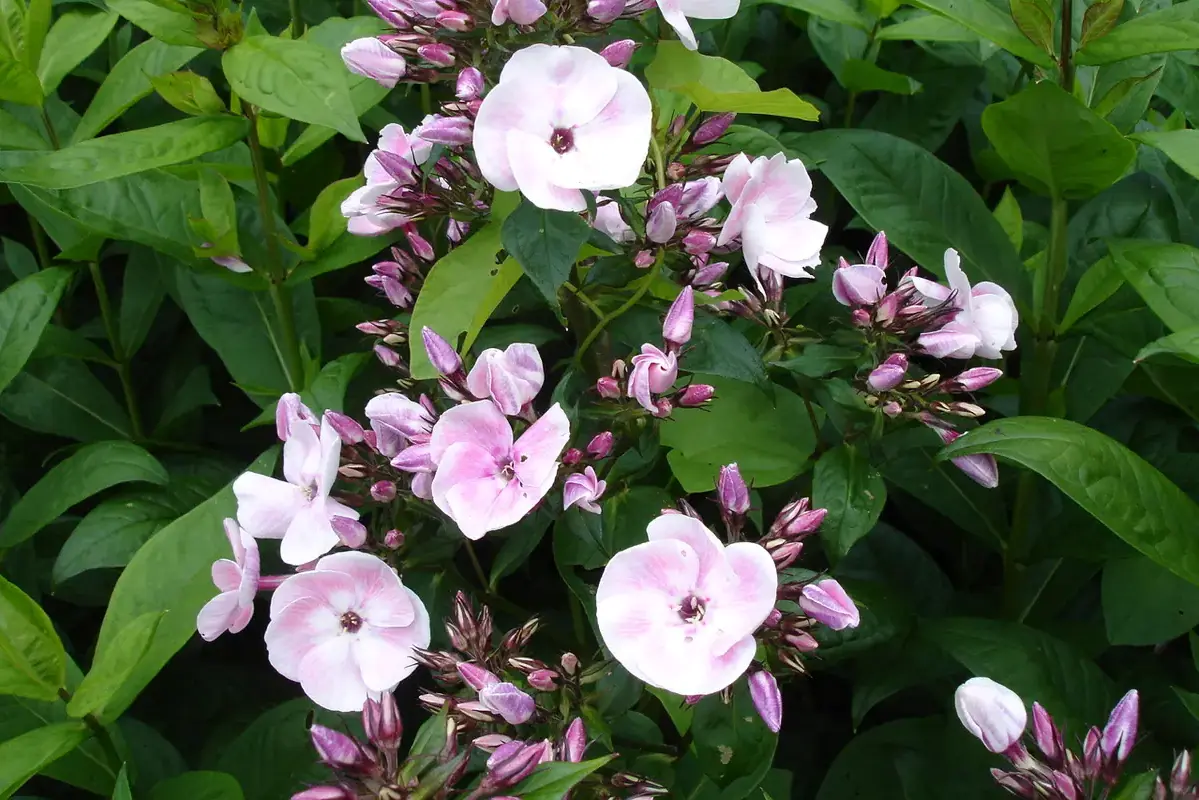
A phlox cluster still contains plenty of fresh flowers, but several spent florets fall when the vase is turned. Shaking the cluster clean over the arrangement sends those pieces toward the water and can loosen sound flowers too. This guide works alongside the selective grooming of small clustered flowers so you can separate the first observation from the next action.
Spent flower pieces detach easily
The catch surface should be in place before handling starts.
Firm open florets and buds
A partly spent cluster can still have useful sound flowers.
Hidden tissue between florets
Look past the outer colour for wet debris or spreading damage.
Fragments at the surface or base
A tidy flower head does not prove that its shed pieces stayed out of the vase.
Read the evidence before acting
A measured care sequence
- 01Prepare the catch surface
Place it beside the vase where detached pieces can be collected without blowing or brushing them across flowers.
- 02Support one stem at a time
Hold below the cluster and keep its weight off the individual flower attachments.
- 03Remove only the spent units
Use gentle local handling or a careful snip; do not rake through the whole head.
- 04Inspect the vase after returning it
Check both the water surface and bottom, then discard the collected debris and clean the work area.
Keep, adjust or remove?
- Spent flower pieces detach easilyThe catch surface should be in place before handling starts.
- Firm open florets and budsA partly spent cluster can still have useful sound flowers.
- Hidden tissue between floretsLook past the outer colour for wet debris or spreading damage.
- Fragments at the surface or baseA tidy flower head does not prove that its shed pieces stayed out of the vase.
The useful grooming result is a sound cluster above clean water, not merely a cleaner-looking flower face. If fragments continue to fall rapidly, choose a simpler smaller display or retire that head. For a related symptom, return to the selective grooming of small clustered flowers rather than applying several changes at once.
Research notes
Sources and editorial method
This guide turns general postharvest and preservation advice into visible household checks. Timing and thresholds are starting points: cultivar, harvest stage, transport, room humidity and vase condition can change how a particular flower responds.


