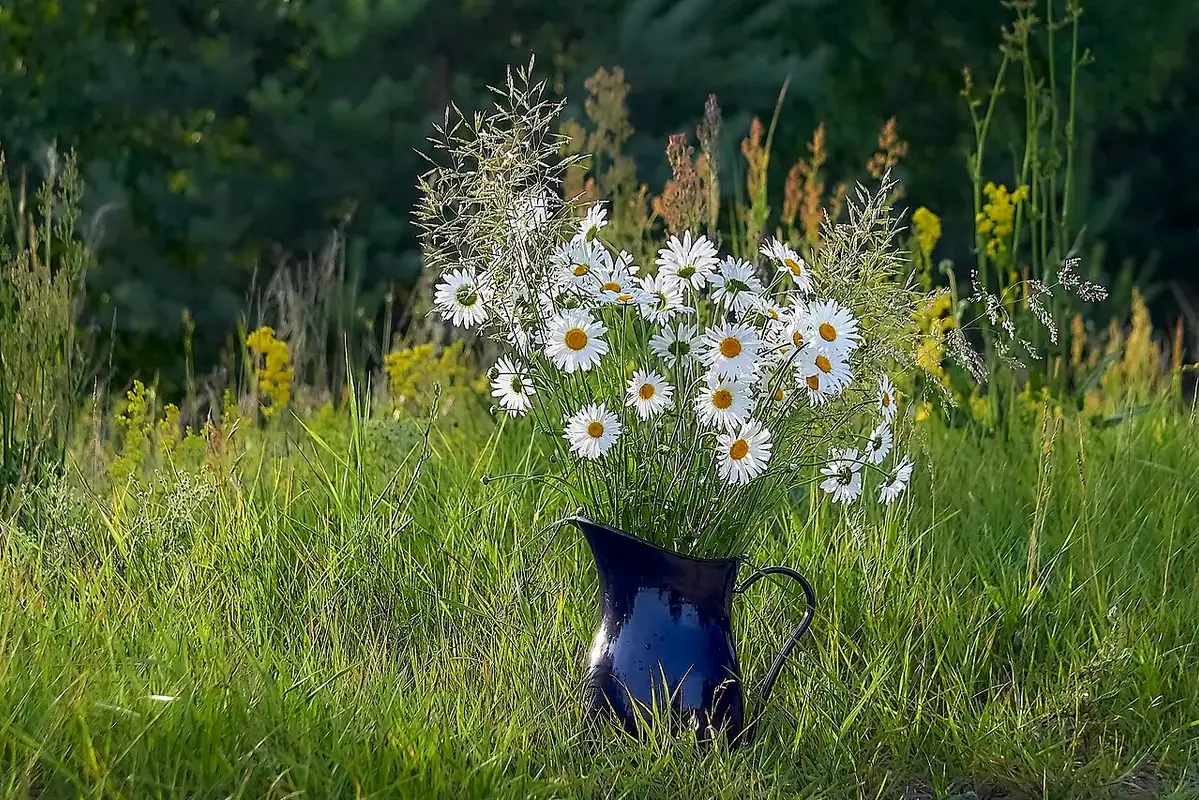
What should you do before a cut-flower delivery arrives? Prepare the destination first: wash a stable vase, set out a clean cutting tool, make room in a cool shaded area, and keep a separate container ready for stems that arrive wet, crushed or questionable. This guide works alongside the first-hour flower-care routine so you can separate the first observation from the next action.
The vase is washed and reachable
A clean vessel prevents wrapped flowers waiting while old residue is scrubbed away.
The first surface is cool and shaded
A calm temporary location buys inspection time without adding heat or direct sun.
The cutting tool is clean and sharp
A prepared tool reduces crushed ends and avoids leaving stems dry during a search.
A second container is available
One damaged stem can be isolated without contaminating the whole first vase.
Read the evidence before acting
A measured care sequence
- 01Wash the destination
Clean and rinse the vase, then leave it empty where you can see its waterline and base.
- 02Stage the tools
Place clean snips, a towel, the flower-food label and a spare container beside the sink.
- 03Choose the landing zone
Select a cool, bright-but-indirect spot with no vent, radiator, ripe fruit or traffic beside it.
- 04Open before designing
Photograph the wrapped bunch, inspect heads and bases, then make only the cuts that the inspection justifies.
Keep, adjust or remove?
- The vase is washed and reachableA clean vessel prevents wrapped flowers waiting while old residue is scrubbed away.
- The first surface is cool and shadedA calm temporary location buys inspection time without adding heat or direct sun.
- The cutting tool is clean and sharpA prepared tool reduces crushed ends and avoids leaving stems dry during a search.
- A second container is availableOne damaged stem can be isolated without contaminating the whole first vase.
Once the delivery is inspected, move firm stems into the prepared vase promptly and isolate uncertain ones. Use the first-hour routine only after the package condition is known. For a related symptom, return to the first-hour flower-care routine rather than applying several changes at once.
Research notes
Sources and editorial method
This guide turns general postharvest and preservation advice into visible household checks. Timing and thresholds are starting points: cultivar, harvest stage, transport, room humidity and vase condition can change how a particular flower responds.


