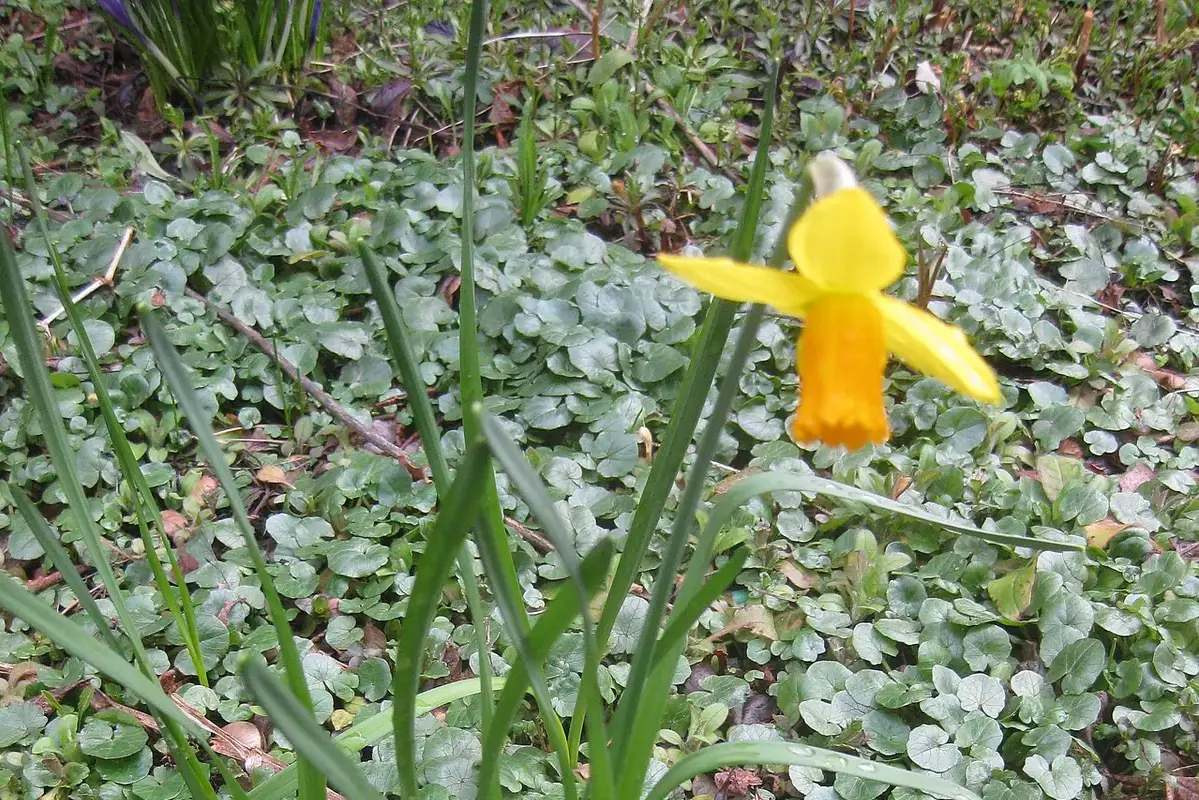
Daffodils are often conditioned separately because their stem exudate can affect companion flowers. Once they have joined a mixed vase, a later recut is a new contamination decision: keep the cut end and tool clean, and never pour their old water into the shared vase. This guide works alongside the daffodil conditioning guide so you can separate the first observation from the next action.
Was it conditioned separately?
The previous vessel and water determine what must stay out of the mixed vase.
Is the new end clean?
A clean recut is easier to inspect than a damaged or slimy one.
Did they decline after joining?
Timing is a clue, not proof; check water and each stem separately.
Read the evidence before acting
A measured care sequence
- 01Prepare a clean side container
Hold the mixed bouquet in fresh temporary water while you handle the daffodil.
- 02Recut away from the vase
Remove the damaged end with a clean tool and wipe or wash the tool before reuse.
- 03Return to fresh solution
Place the shortened stem into the prepared mixed vase without adding old holding water.
- 04Watch the group
Compare water clarity and stem firmness at the next check; isolate rather than dosing extra additives.
Keep, adjust or remove?
- Was it conditioned separately?The previous vessel and water determine what must stay out of the mixed vase.
- Is the new end clean?A clean recut is easier to inspect than a damaged or slimy one.
- Did they decline after joining?Timing is a clue, not proof; check water and each stem separately.
When a daffodil must be shortened repeatedly, make the arrangement shorter or keep that stem separate. Preserving length is less important than keeping the shared water inspectable. For a related symptom, return to the daffodil conditioning guide rather than applying several changes at once.
Research notes
Sources and editorial method
This guide turns general postharvest and preservation advice into visible household checks. Timing and thresholds are starting points: cultivar, harvest stage, transport, room humidity and vase condition can change how a particular flower responds.


