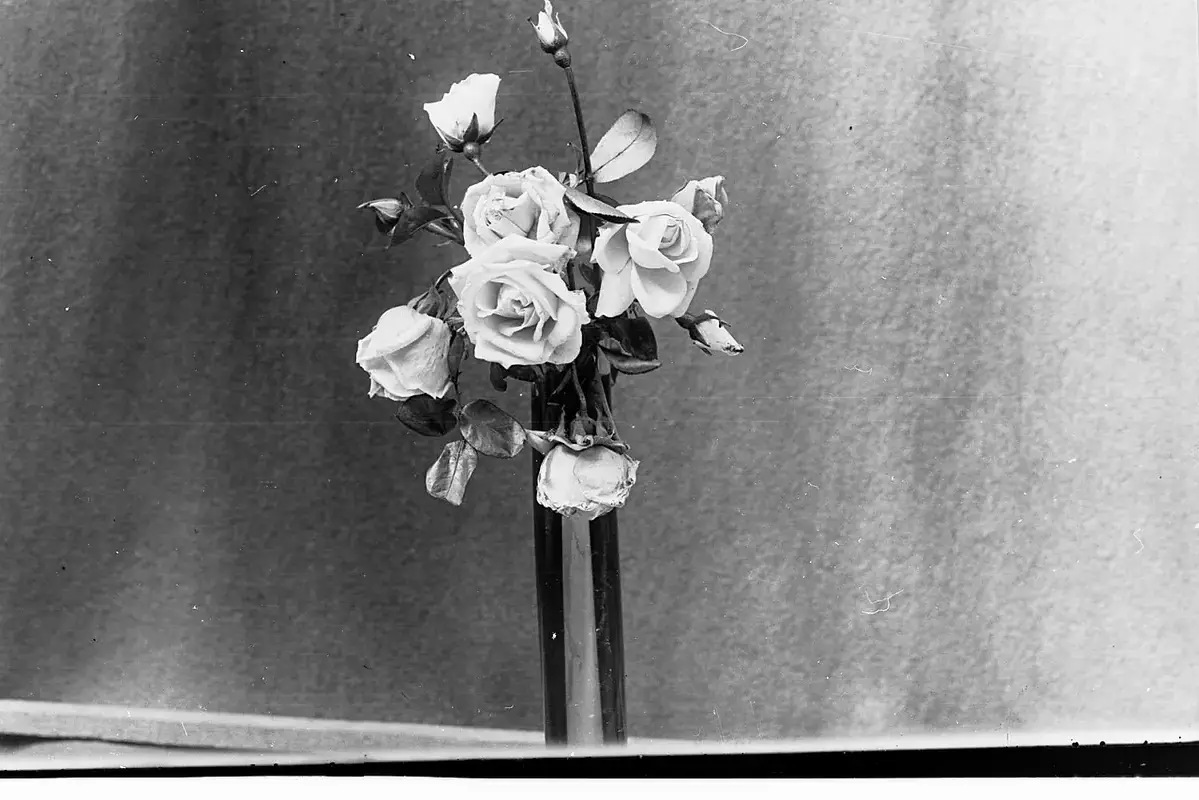
Should you remove every thorn and leaf from a cut rose? No. Remove thorns that threaten hands, petals or the vase, and remove leaves that would sit underwater. Keep sound upper leaves unless the design or species handling makes them a clear liability. This guide works alongside the cut rose care guide so you can separate the first observation from the next action.
Thorn is at a contact point
A projection touching another head or the vase rim deserves attention.
Leaf would be submerged
Remove the leaf that enters the solution rather than all healthy foliage.
Stem skin is intact or scraped
Scraping creates a larger wound and can hide later softening.
Head remains firm
A firm neck matters more to support than a perfectly bare stem.
Read the evidence before acting
A measured care sequence
- 01Plan the waterline
Place the rose beside the vase and mark which leaves would be submerged before stripping anything.
- 02Protect the head
Support the bloom from below; never squeeze petals to steady the stem.
- 03Remove only liabilities
Take off submerged leaves and contact-point thorns with one controlled motion.
- 04Inspect after hydration
Keep the rose in clean prepared water and check the neck before deciding whether it needs support.
Keep, adjust or remove?
- Thorn is at a contact pointA projection touching another head or the vase rim deserves attention.
- Leaf would be submergedRemove the leaf that enters the solution rather than all healthy foliage.
- Stem skin is intact or scrapedScraping creates a larger wound and can hide later softening.
- Head remains firmA firm neck matters more to support than a perfectly bare stem.
Retain intact upper foliage when it stays dry and does not crowd the head. If the rose later bends, diagnose the neck and vessel fit rather than blaming a remaining thorn. For a related symptom, return to the cut rose care guide rather than applying several changes at once.
Research notes
Sources and editorial method
This guide turns general postharvest and preservation advice into visible household checks. Timing and thresholds are starting points: cultivar, harvest stage, transport, room humidity and vase condition can change how a particular flower responds.


