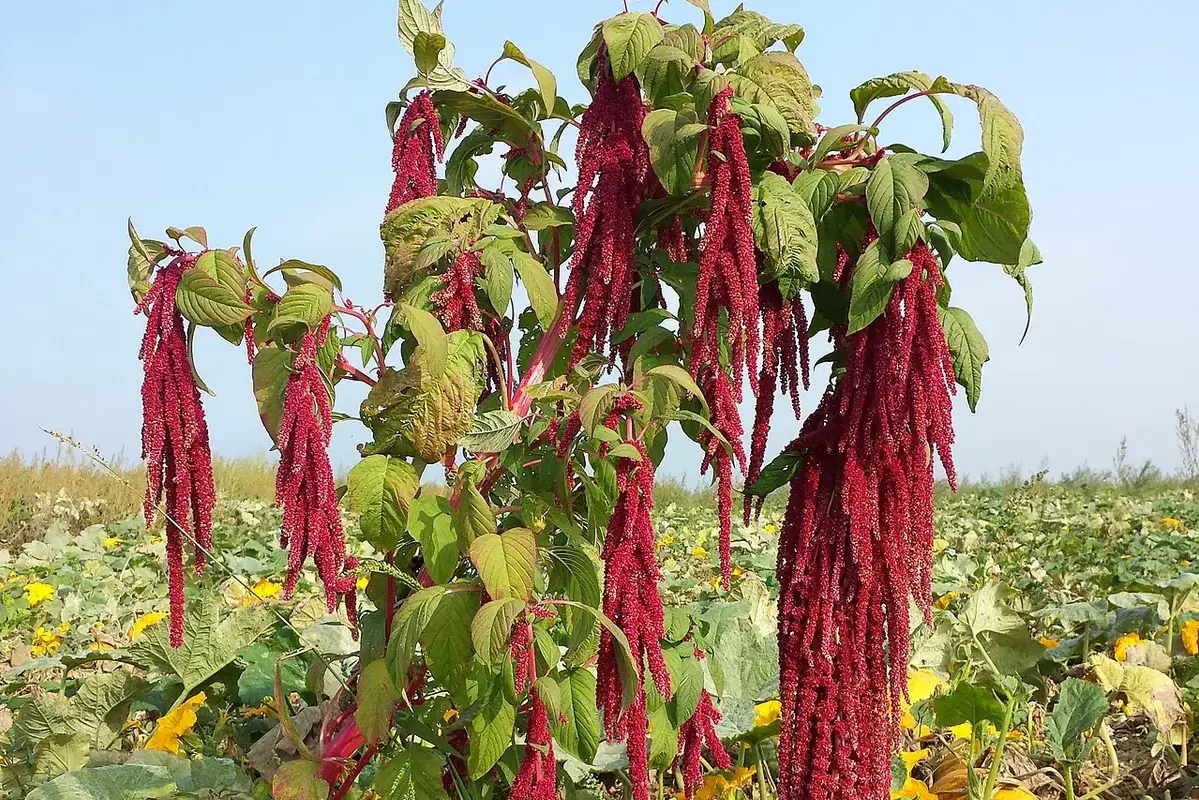
Water source is only one part of vase performance. Mix the correct dose using the flower-food guide, and do not blame minerals for haze that needs the cloudy-water reset.
Research trials often use tap water successfully, but tap water varies by location. Filtered water is useful when it removes the specific problem in your supply; it is not automatically better simply because it passed through a pitcher.
Choose by evidence
Three starting decisions
Ordinary drinkable water
Use a clean vase and flower food. Watch clarity and stem response as usual.
Hard or alkaline supply
Run a controlled split test if scale is heavy or local water data shows a likely issue.
Sodium-exchange water
Use an unsoftened tap or another low-sodium source for the vase.
Run a useful two-vase test
- 01Use two identical clean containers
Add the same measured volume at the same temperature.
- 02Split one flower type evenly
Match stem length, flower stage and condition. Do not compare roses in one vase with chrysanthemums in the other.
- 03Add the same flower-food concentration
Water type must be the only intentional difference.
- 04Record at 24 and 48 hours
Compare water clarity, level, leaf condition, flower opening and stem firmness.
Read the result conservatively
Research notes
Sources and editorial method
These recommendations translate horticultural and postharvest guidance into repeatable home checks. Timings are working ranges, not guarantees.


