How can you check whether a mixed bunch will fit its vase before shortening any stems? This guide works alongside the tall bouquet and short vase guide so you can separate the first observation from the next action.
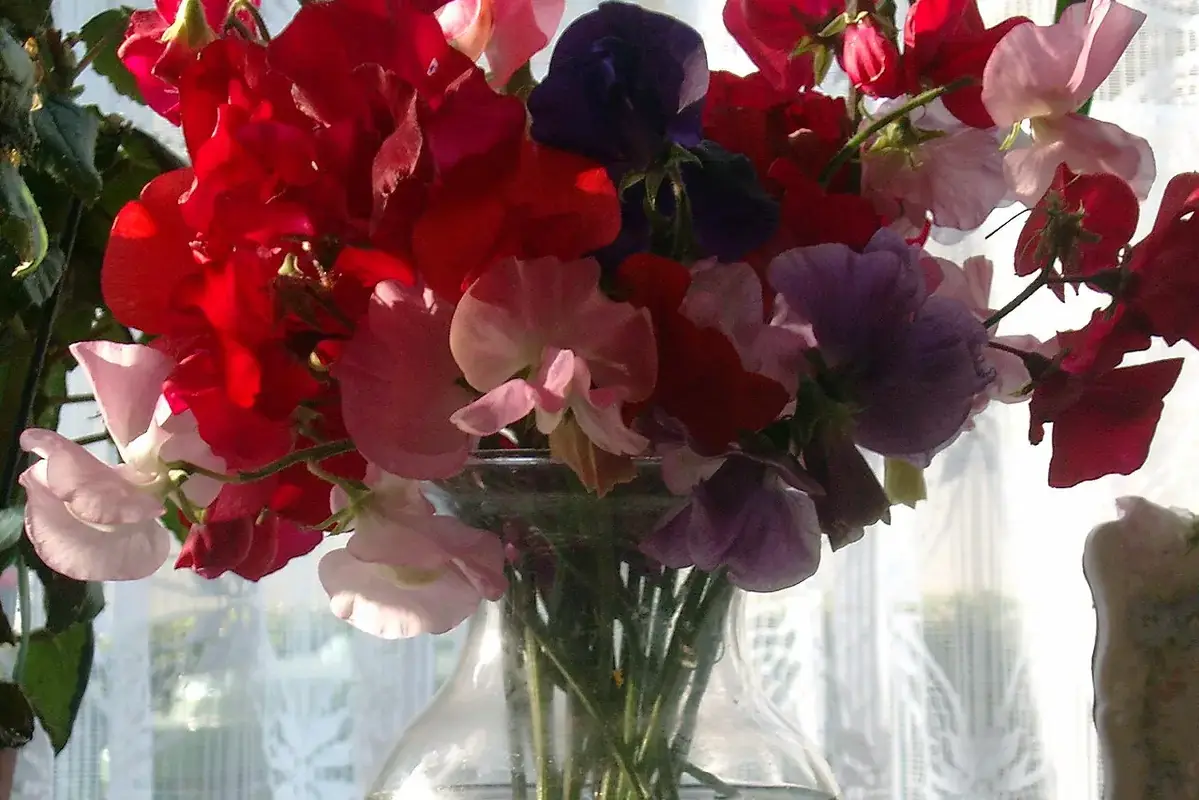
Flower heads relative to the opening
A head that already sits at the rim may need a taller vessel rather than a shorter stem.
Proposed cut end and waterline
Every stem must reach usable water without forcing foliage into the reservoir.
Empty vase footprint and height
A narrow or top-heavy vessel can be unsafe even when the flowers fit visually.
Rim, wall and neighbouring heads
A dry fit reveals rubbing and trapped branches before wet stems make correction harder.
Read the evidence before acting
A measured care sequence
- 01Place the empty vase
Set it on its final stable surface and check its footprint before adding water or flowers.
- 02Arrange a dry outline
Hold the bunch beside the vessel, keeping heads supported and the lower ends aligned loosely.
- 03Mark only needed cuts
Use the rim and intended waterline as references; leave uncertain stems long for a controlled trial.
- 04Cut and recheck
Make clean cuts into firm tissue, add prepared water and confirm the arrangement remains stable before final styling.
Keep, adjust or remove?
- Flower heads relative to the openingA head that already sits at the rim may need a taller vessel rather than a shorter stem.
- Proposed cut end and waterlineEvery stem must reach usable water without forcing foliage into the reservoir.
- Empty vase footprint and heightA narrow or top-heavy vessel can be unsafe even when the flowers fit visually.
- Rim, wall and neighbouring headsA dry fit reveals rubbing and trapped branches before wet stems make correction harder.
Test the vessel before sacrificing stem length; change the vase or composition when the geometry, support or waterline does not work. For a related symptom, return to the tall bouquet and short vase guide rather than applying several changes at once.
Research notes
Sources and editorial method
This guide turns general postharvest and preservation advice into visible household checks. Timing and thresholds are starting points: cultivar, harvest stage, transport, room humidity and vase condition can change how a particular flower responds.