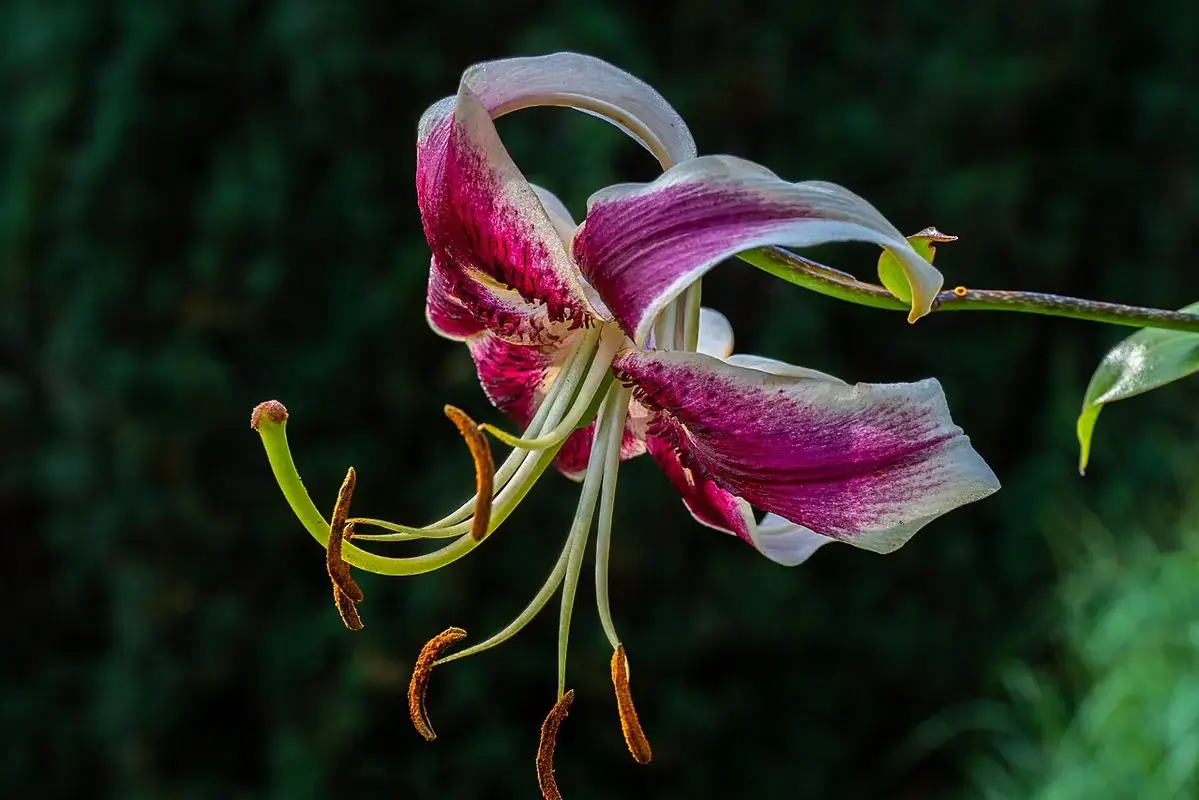
A crease is more likely to be transport pressure when it is local, aligned with a sleeve or neighbouring head and paired with bruised or flattened tissue. Natural texture tends to repeat across the cultivar and remains dry, firm and stable as the flower opens. This guide works alongside the petal-edge diagnosis guide so you can separate the first observation from the next action.
Do other flowers have the same fold?
Repeated geometry supports natural texture more than a single random crease.
Does it match a contact point?
A sleeve edge, box wall or vase rim can leave a local pressure mark.
Firm and dry or wet and collapsed?
Texture and firmness matter more than colour alone.
Read the evidence before acting
A measured care sequence
- 01Photograph before grooming
Use side light and include an unmarked comparison flower.
- 02Map likely contact
Check sleeve, box, vase rim and neighbouring heads for the same shape.
- 03Test stability
Keep the flower dry and compare texture and spread at the next check.
- 04Edit conservatively
Remove only loose cosmetic material; isolate tissue that becomes wet, soft or odorous.
Keep, adjust or remove?
- Do other flowers have the same fold?Repeated geometry supports natural texture more than a single random crease.
- Does it match a contact point?A sleeve edge, box wall or vase rim can leave a local pressure mark.
- Firm and dry or wet and collapsed?Texture and firmness matter more than colour alone.
If the decision affects a delivery claim, preserve packaging and photos before recutting. A customer should not lose evidence through an enthusiastic “cleanup.” For a related symptom, return to the petal-edge diagnosis guide rather than applying several changes at once.
Research notes
Sources and editorial method
This guide turns general postharvest and preservation advice into visible household checks. Timing and thresholds are starting points: cultivar, harvest stage, transport, room humidity and vase condition can change how a particular flower responds.


