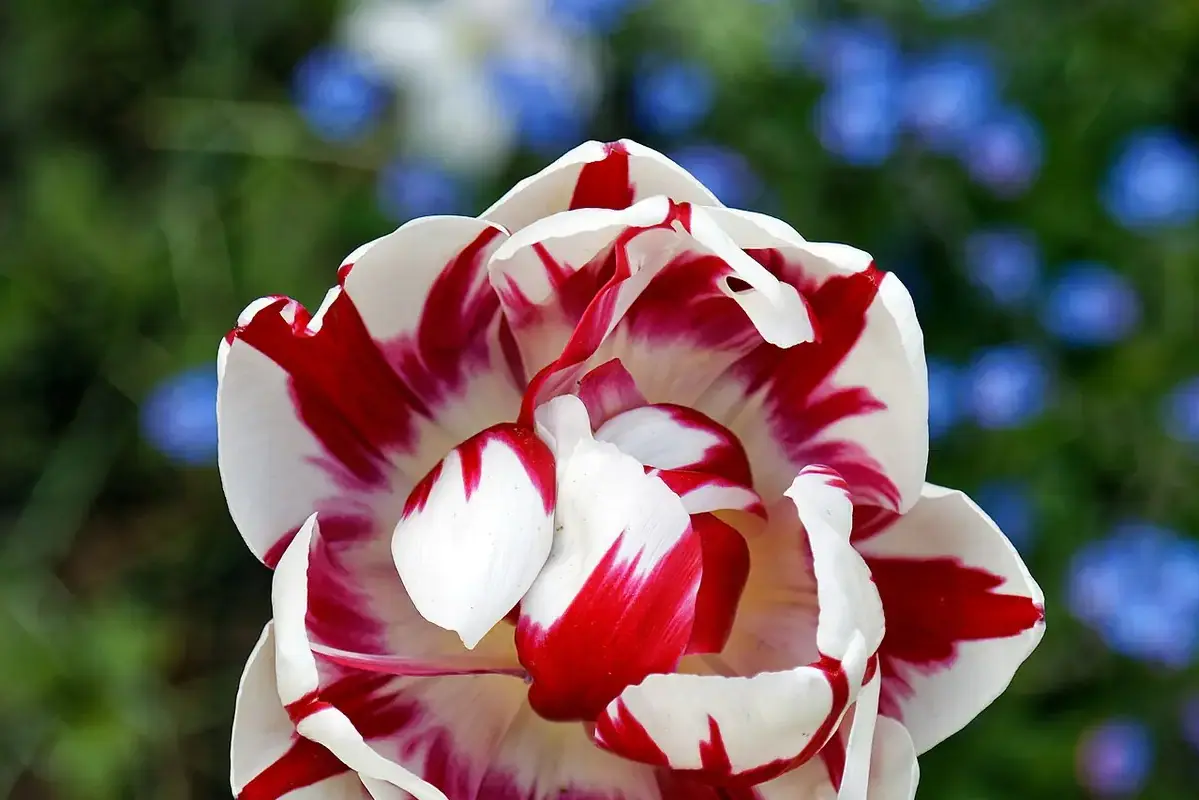
Tulips can continue elongating and curving after cutting, so one perfect arrangement is the wrong goal. Build in a repositioning plan: mark the waterline, rotate or regroup stems, and shorten only when a stem becomes structurally unsuitable for the vessel. This guide works alongside the tulip support guide so you can separate the first observation from the next action.
Is the stem longer but firm?
Healthy elongation calls for a new support position, not automatic trimming.
Is it flexible or creased?
A gentle moving curve is different from a permanent fold.
Does the opening still support it?
A changing tulip may outgrow a wide or shallow opening.
Read the evidence before acting
A measured care sequence
- 01Set the first arrangement
Use a supportive opening and keep a little stem length available for later decisions.
- 02Mark and observe
Note the waterline, head height and light-facing side without forcing stems straight.
- 03Make one adjustment
Rotate the vase or move the tallest stem; wait before making another change.
- 04Recut only for a reason
Shorten a stem when tissue is damaged or the vessel cannot support it, then rebuild the group.
Keep, adjust or remove?
- Is the stem longer but firm?Healthy elongation calls for a new support position, not automatic trimming.
- Is it flexible or creased?A gentle moving curve is different from a permanent fold.
- Does the opening still support it?A changing tulip may outgrow a wide or shallow opening.
If a tulip is firm and still drinking, let it move. A planned lower, wider or shorter arrangement is kinder than repeated emergency cuts. For a related symptom, return to the tulip support guide rather than applying several changes at once.
Research notes
Sources and editorial method
This guide turns general postharvest and preservation advice into visible household checks. Timing and thresholds are starting points: cultivar, harvest stage, transport, room humidity and vase condition can change how a particular flower responds.


