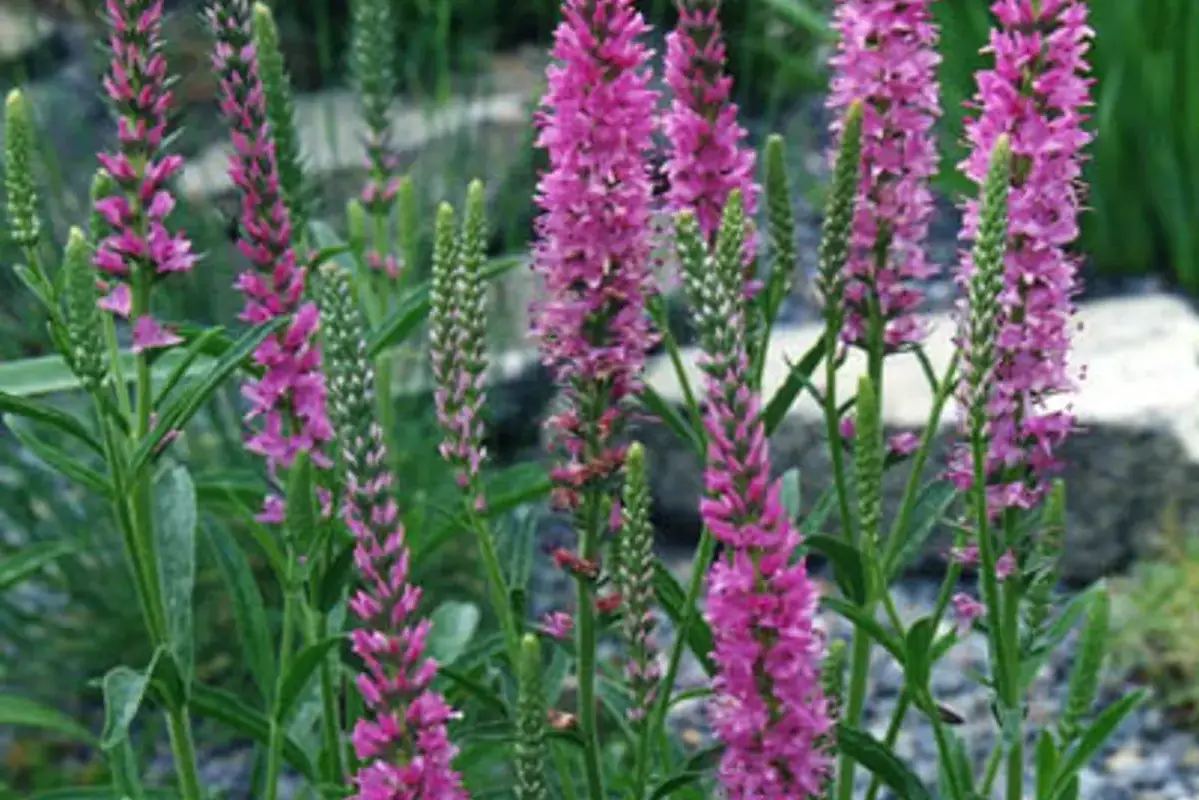
The lower part of a veronica spike is colourful while the narrow tip still looks green. Trimming the tip may seem like removing an unfinished bit, but it can remove a group of healthy buds as well as the natural tapered line. This guide works alongside the assessing developing flowers on a spike so you can separate the first observation from the next action.
Individual closed buds
Look closely enough to distinguish developing flower structures from a bare broken axis.
Different stages along the spike
An open lower zone and closed tip need not mean the tip has failed.
Firm versus crushed or wet
Physical condition is more useful than expecting every part to share one colour.
Shorter line or later development
A cosmetic cut trades away the bud-bearing continuation.
Read the evidence before acting
A measured care sequence
- 01Inspect the spike in side light
Find the boundary between open flowers and closed buds without squeezing the tip.
- 02Check the lower stem too
Confirm clean water contact before interpreting slow development as a tip problem.
- 03Choose the smallest intervention
Move the stem or groom a spent lower unit rather than cutting the healthy apex by habit.
- 04Compare the same buds later
Look for real change at the next daily check; do not promise opening on a fixed timetable.
Keep, adjust or remove?
- Individual closed budsLook closely enough to distinguish developing flower structures from a bare broken axis.
- Different stages along the spikeAn open lower zone and closed tip need not mean the tip has failed.
- Firm versus crushed or wetPhysical condition is more useful than expecting every part to share one colour.
- Shorter line or later developmentA cosmetic cut trades away the bud-bearing continuation.
Keep future flowers only while their tissue remains sound, but do not remove them just because they are not yet colourful. A tapered unfinished-looking tip can be a normal part of the display. For a related symptom, return to the assessing developing flowers on a spike rather than applying several changes at once.
Research notes
Sources and editorial method
This guide turns general postharvest and preservation advice into visible household checks. Timing and thresholds are starting points: cultivar, harvest stage, transport, room humidity and vase condition can change how a particular flower responds.


