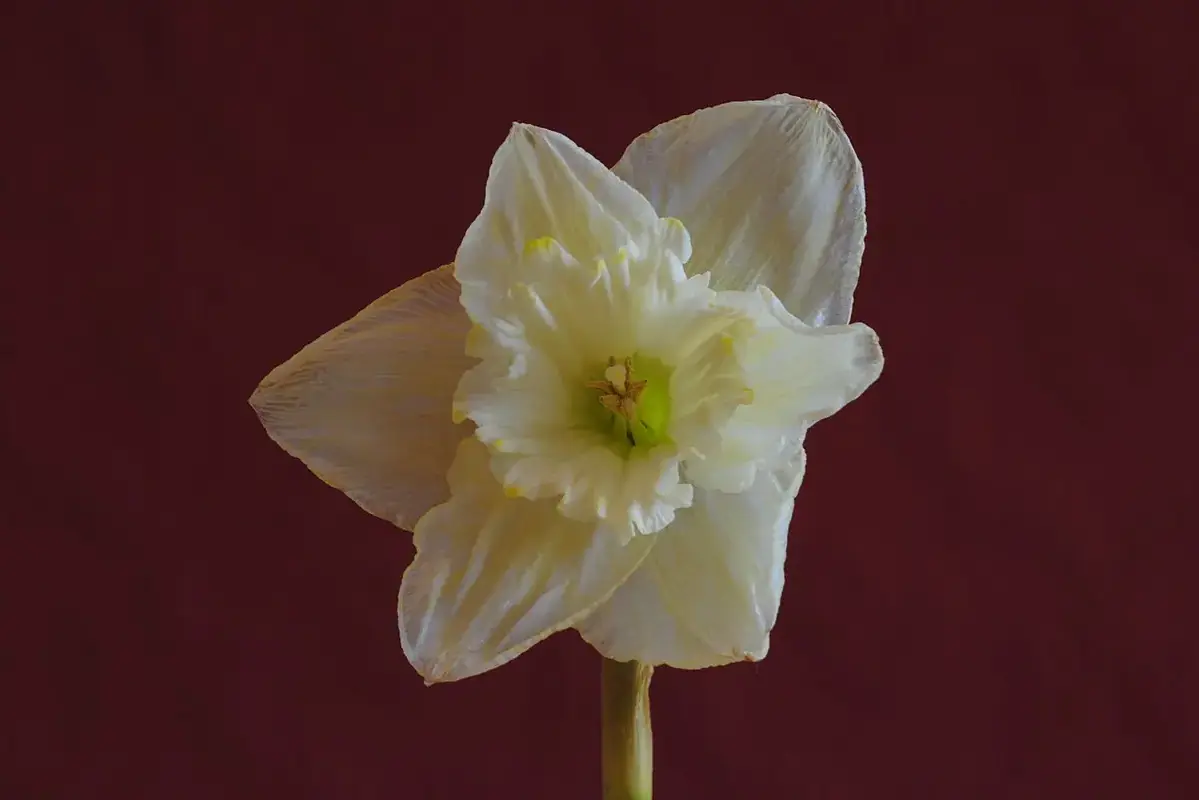
A boutonniere is a short, wearable design, not a tiny vase arrangement. Keep flowers intended for pinning out of the hydrated display workflow until their stems are prepared, and keep any finished wearable piece away from standing water and heat. This guide works alongside the temporary holding guide so you can separate the first observation from the next action.
When will it be worn?
A finished wearable piece has less recovery time than loose stems in water.
Is wire or tape present?
Mechanical materials belong outside the vase unless their product instructions say otherwise.
Will fabric touch it?
Wet leaves, pollen and dye can mark clothing even when the flower looks fresh.
Read the evidence before acting
A measured care sequence
- 01Make two labelled groups
Mark “vase” and “wearable” before cutting so wired material never returns to the main water.
- 02Hydrate the loose stems
Use a clean container, remove only submerged foliage and place it somewhere cool and quiet.
- 03Assemble near the event
Trim and secure the boutonniere shortly before use; keep the flower face dry and uncrushed.
- 04Protect the return journey
Carry the finished piece in a shallow ventilated box and keep the vase bouquet in its own stable container.
Keep, adjust or remove?
- When will it be worn?A finished wearable piece has less recovery time than loose stems in water.
- Is wire or tape present?Mechanical materials belong outside the vase unless their product instructions say otherwise.
- Will fabric touch it?Wet leaves, pollen and dye can mark clothing even when the flower looks fresh.
If a boutonniere must be held overnight, ask the florist for the species-specific method rather than improvising a sealed wet bag. For the vase flowers, return to the normal clean-water routine. For a related symptom, return to the temporary holding guide rather than applying several changes at once.
Research notes
Sources and editorial method
This guide turns general postharvest and preservation advice into visible household checks. Timing and thresholds are starting points: cultivar, harvest stage, transport, room humidity and vase condition can change how a particular flower responds.


