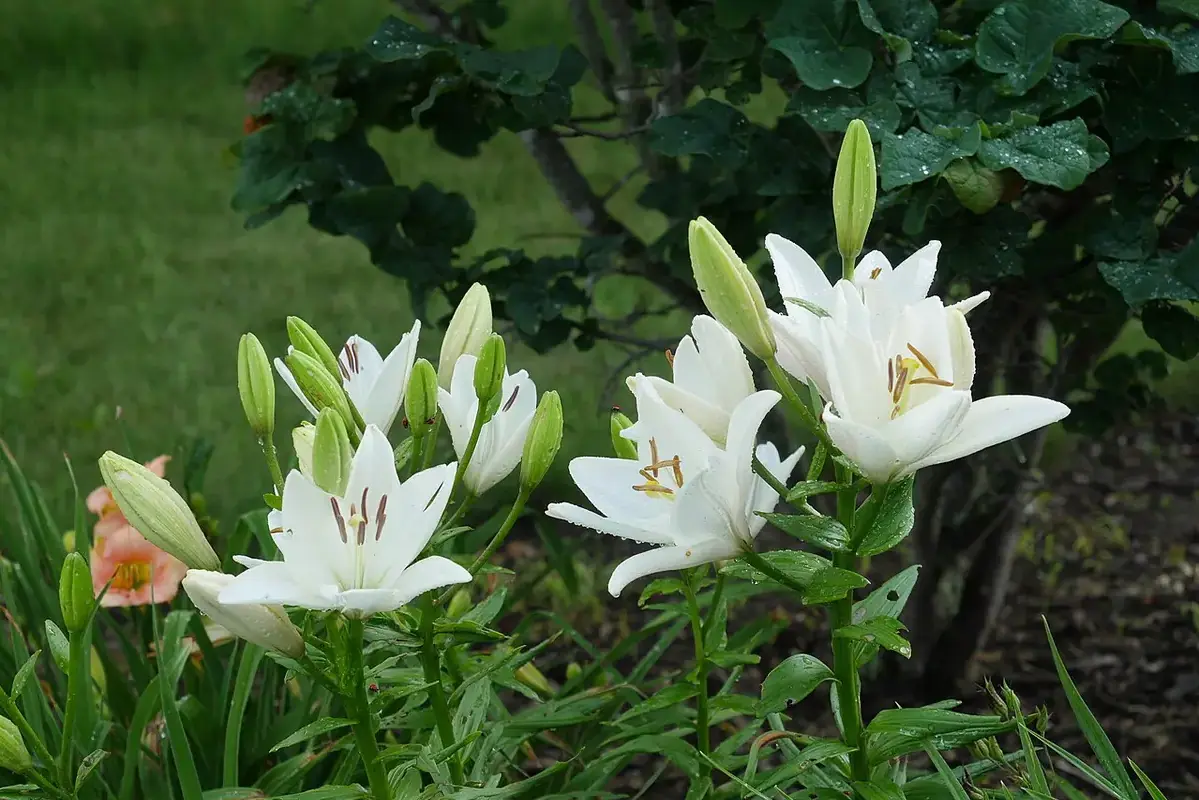
The bouquet is mostly green today, but several large buds may soon dominate it. Buying more coloured flowers to fill every gap can create a crowded second-day arrangement rather than a balanced first one. This guide works alongside the choosing the focal flower in a bouquet so you can separate the first observation from the next action.
Expected flower rather than wrapper photo
Cultivar colour and form should come from an identified plant or a reliable supplier.
How much colour an open bloom occupies
One large flower can outweigh several small accents visually.
Space around each developing head
Room to open is different from an unattractive gap that must be filled.
What is already showing colour
Mixed maturity gives a different immediate result from a bunch of uniformly tight buds.
Read the evidence before acting
A measured care sequence
- 01Compare open and closed examples
Ask the florist to show the likely mature form rather than estimating from bud length alone.
- 02Assign the future colour weight
Place potentially large blooms where their opening will not obscure every smaller flower.
- 03Keep the supporting layer flexible
Avoid hidden tight mini-bunches that prevent later removal of a single accent.
- 04Review after an opening change
Move a neighbouring stem first; do not cut or peel healthy buds to control the palette.
Keep, adjust or remove?
- Expected flower rather than wrapper photoCultivar colour and form should come from an identified plant or a reliable supplier.
- How much colour an open bloom occupiesOne large flower can outweigh several small accents visually.
- Space around each developing headRoom to open is different from an unattractive gap that must be filled.
- What is already showing colourMixed maturity gives a different immediate result from a bunch of uniformly tight buds.
Judge the arrangement twice: as it looks now and as its identified flowers are likely to develop. Leave yourself a reversible edit rather than packing every space at the start. For a related symptom, return to the choosing the focal flower in a bouquet rather than applying several changes at once.
Research notes
Sources and editorial method
This guide turns general postharvest and preservation advice into visible household checks. Timing and thresholds are starting points: cultivar, harvest stage, transport, room humidity and vase condition can change how a particular flower responds.


