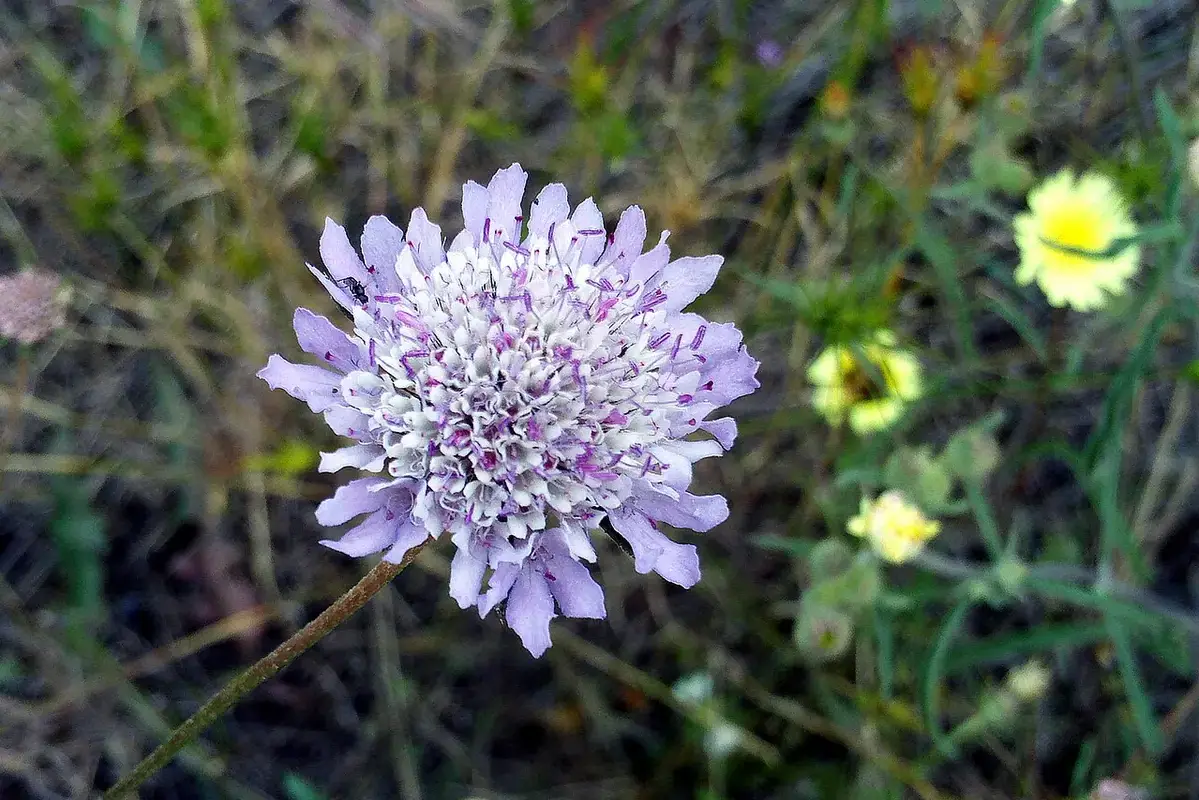
Which photographs help a florist or plant adviser understand a changing flower problem? This guide works alongside the arrival inspection guide so you can separate the first observation from the next action.
How many stems are affected
A close-up cannot show whether damage is local or spread across the bouquet.
Sharp focus on the relevant tissue
Digital zoom and decorative blur can erase diagnostic features.
Healthy and changed areas
A reference leaf or bloom makes subtle differences easier to interpret.
Same view at a later check
Comparable photographs reveal change more reliably than memory.
Read the evidence before acting
A measured care sequence
- 01Start with the setting
Capture the vase position, waterline and arrangement without publishing private labels or personal information.
- 02Follow the affected stem
Record leaves, neck and base with adequate light; keep stem ends from drying while you work.
- 03Add scale and history
Place a ruler nearby without touching contaminated tissue. Record flower identity, arrival date and any recent spray, move or water change.
- 04Repeat a useful view
Use similar light and angle later, label the files and send originals with a brief factual timeline rather than an asserted diagnosis.
Keep, adjust or remove?
- How many stems are affectedA close-up cannot show whether damage is local or spread across the bouquet.
- Sharp focus on the relevant tissueDigital zoom and decorative blur can erase diagnostic features.
- Healthy and changed areasA reference leaf or bloom makes subtle differences easier to interpret.
- Same view at a later checkComparable photographs reveal change more reliably than memory.
Keep observation separate from interpretation: write what changed, where and when, then let the adviser explain what additional evidence is needed. For a related symptom, return to the arrival inspection guide rather than applying several changes at once.
Research notes
Sources and editorial method
This guide turns general postharvest and preservation advice into visible household checks. Timing and thresholds are starting points: cultivar, harvest stage, transport, room humidity and vase condition can change how a particular flower responds.


