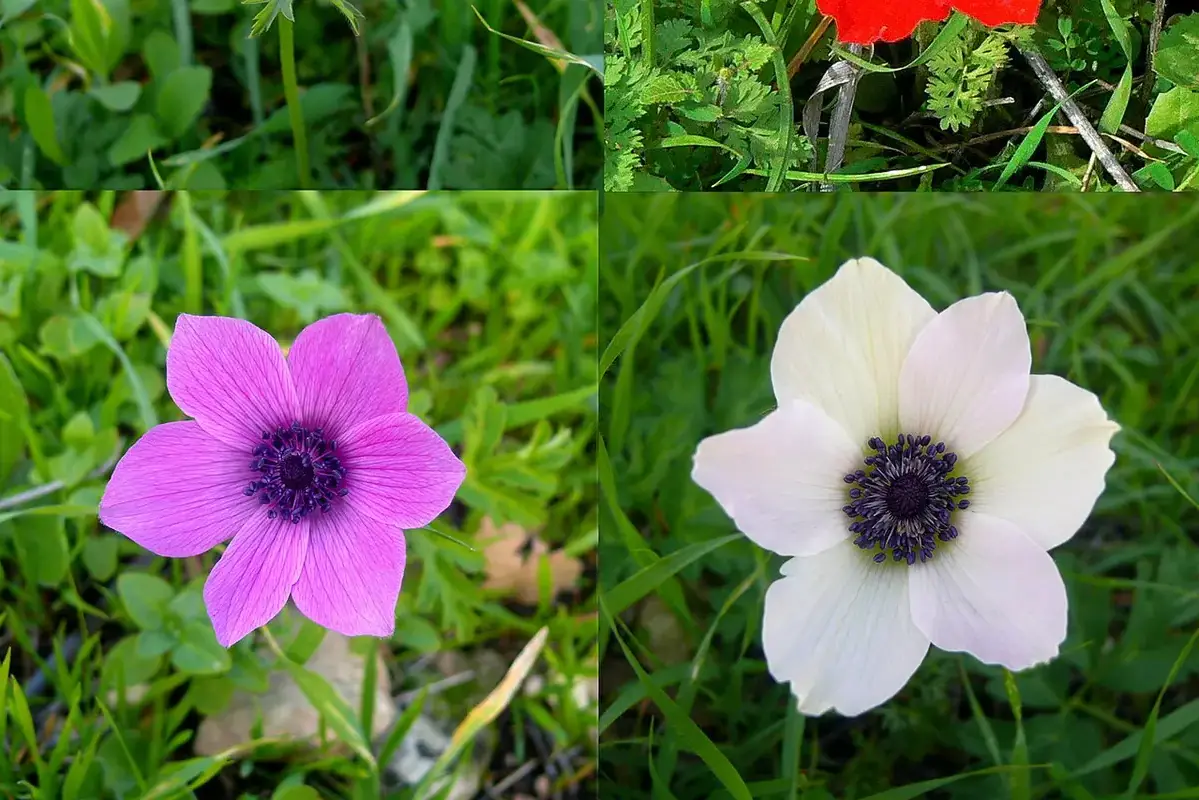
Dye bleed is confirmed by colour appearing in water, on a dry towel or at a wet contact point; a blue or purple petal is not by itself evidence of bleeding. Once transfer is visible, contain the flower and protect pale companions rather than trying to wash the pigment out. This guide works alongside the dyed-flower conditioning guide so you can separate the first observation from the next action.
Is the tint new?
Compare with clean water in a clear vessel before deciding the colour is transfer.
Where does the mark appear?
A wet towel or touching pale petal is stronger evidence than hue alone.
Is the stain moving?
Ongoing transfer means the flower needs containment, not styling.
Read the evidence before acting
A measured care sequence
- 01Confirm without rubbing
Place a clean white towel under the wet stem and inspect the water in a clear glass.
- 02Contain the source
Move the dyed stem to its own vessel and keep it away from pale flowers.
- 03Reset shared conditions
Discard stained water, wash the vase and use fresh prepared water.
- 04Choose the final display
Keep the bleeding flower alone or remove it if protection of clothing and furniture matters more.
Keep, adjust or remove?
- Is the tint new?Compare with clean water in a clear vessel before deciding the colour is transfer.
- Where does the mark appear?A wet towel or touching pale petal is stronger evidence than hue alone.
- Is the stain moving?Ongoing transfer means the flower needs containment, not styling.
If a valued fabric is stained, stop experimenting on the bouquet and follow the fabric-care label or a professional cleaner. Pigment on a live petal is rarely improved by household bleach. For a related symptom, return to the dyed-flower conditioning guide rather than applying several changes at once.
Research notes
Sources and editorial method
This guide turns general postharvest and preservation advice into visible household checks. Timing and thresholds are starting points: cultivar, harvest stage, transport, room humidity and vase condition can change how a particular flower responds.


