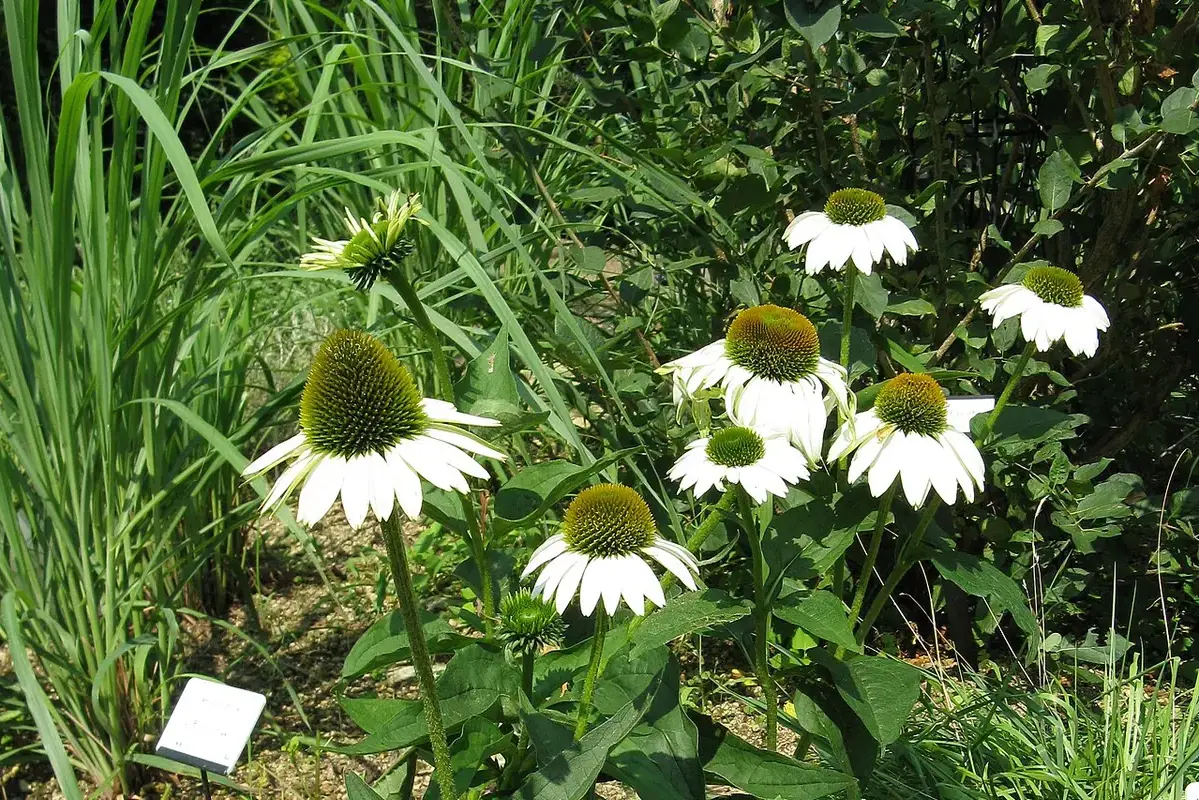
The purple rays are fading, but the raised cone still looks useful. Echinacea is a composite head: the showy outer ray flowers and central disk are different parts, so losing visual value in one does not automatically settle the other. This guide works alongside the judging falling petals on otherwise firm stems so you can separate the first observation from the next action.
Outer petal-like flowers
Assess fading and looseness separately from the raised center.
Firm central cone
Echinacea purpurea naturally has a dark domed disk; colour alone does not diagnose rot.
Head base and neck
The cone still depends on the same supporting stem when displayed fresh.
Fresh accent or later drying
A fresh cone in water and a fully dried seed head are different display stages.
Read the evidence before acting
A measured care sequence
- 01Inspect outside the crowded bouquet
Support the stem over a tray and look at the center and underside without pressing the cone.
- 02Choose the new design role
Decide whether a smaller dark accent actually suits the arrangement before grooming it.
- 03Remove only loose material
Use a light touch or controlled snip; do not scrub away the central disk.
- 04Return as a fresh stem
Maintain clean cut-end contact and recheck the cone and neck at the next water change.
Keep, adjust or remove?
- Outer petal-like flowersAssess fading and looseness separately from the raised center.
- Firm central coneEchinacea purpurea naturally has a dark domed disk; colour alone does not diagnose rot.
- Head base and neckThe cone still depends on the same supporting stem when displayed fresh.
- Fresh accent or later dryingA fresh cone in water and a fully dried seed head are different display stages.
Retain the stem while its cone remains a deliberate, sound part of the design. Once the center or its support fails, removing it is more useful than another round of petal grooming. For a related symptom, return to the judging falling petals on otherwise firm stems rather than applying several changes at once.
Research notes
Sources and editorial method
This guide turns general postharvest and preservation advice into visible household checks. Timing and thresholds are starting points: cultivar, harvest stage, transport, room humidity and vase condition can change how a particular flower responds.


