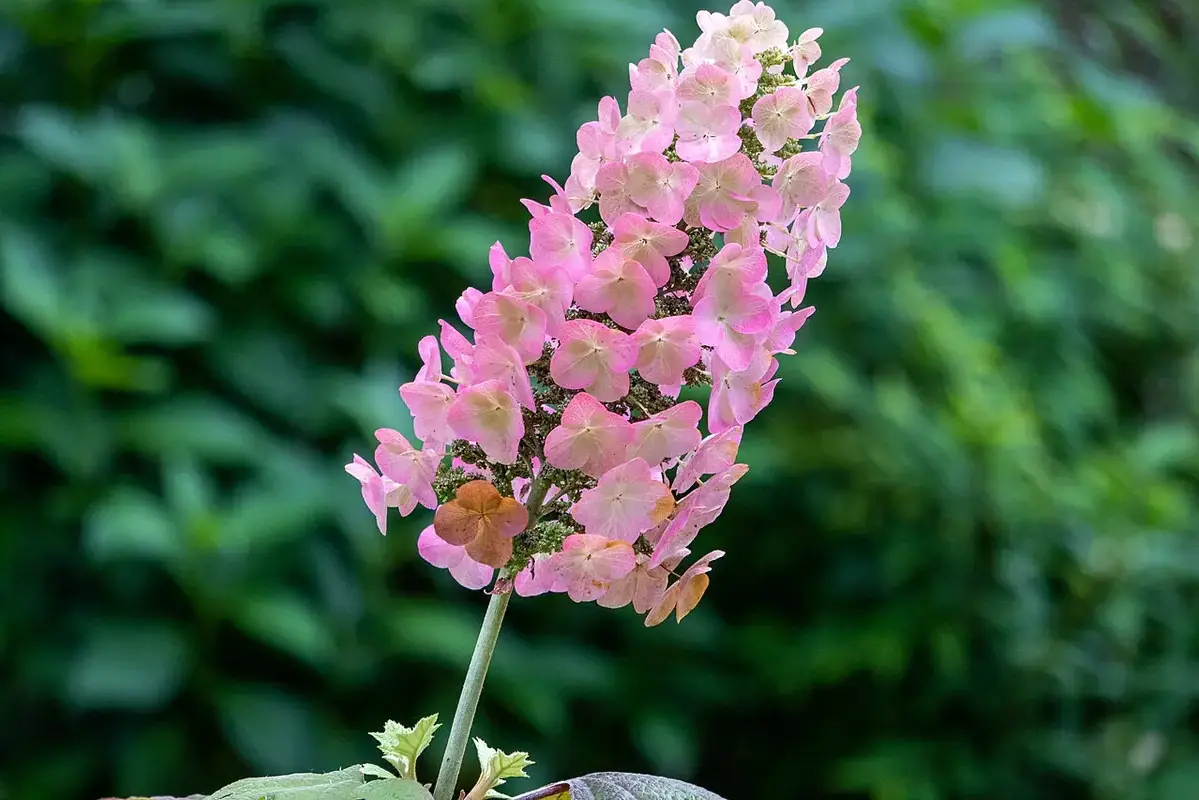
Petal drop is not the same problem as a blocked stem. If heads are also bending, use the droop diagnosis; if nearby fruit may be involved, apply the fruit-exposure check before returning the vase to the same spot.
The useful clue is distribution: one flower, one side of the bouquet or the whole arrangement. Record what changed during the previous day before resetting everything.
Read the distribution
Three petal-drop patterns
One mature flower
Dry petals release from a fully open bloom while neighbouring flowers stay firm.
Several flowers at once
Look for ripe fruit, vehicle exhaust, smoke, heat or a recent transport event.
Soft spotted petals
Wet, translucent or fuzzy tissue should not remain pressed against healthy blooms.
The five-minute check
- 01Lift fallen petals with dry paper
Note whether they are dry and intact, bruised at the edge or wet and marked.
- 02Turn the flower gently
Check whether loss is even or concentrated where blooms rubbed a sleeve, wall or another head.
- 03Inspect the flower base
A clean release from a mature bloom differs from tissue that is brown and collapsing around the attachment.
- 04Compare every species
If only one sensitive flower type drops, a bouquet-wide water reset may not be the answer.
Match the action to the cause
Watch the next 24 hours
After removing affected blooms and moving the vase, place a clean sheet of paper beneath it. New petal fall shows whether the event is continuing. If several flowers keep shedding despite a stable cool location, enjoy or preserve the remaining sound material rather than applying repeated revival tricks.
Research notes
Sources and editorial method
These recommendations translate horticultural and postharvest guidance into repeatable home checks. Timings are working ranges, not guarantees.


