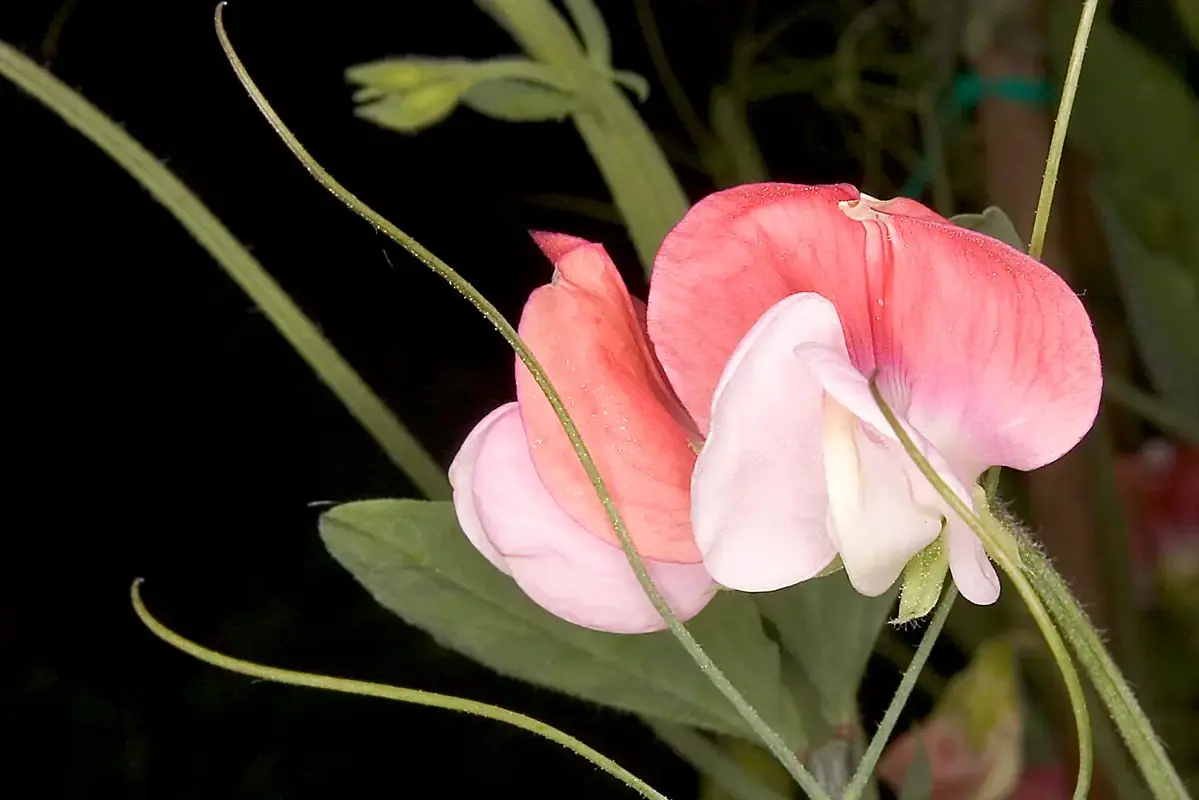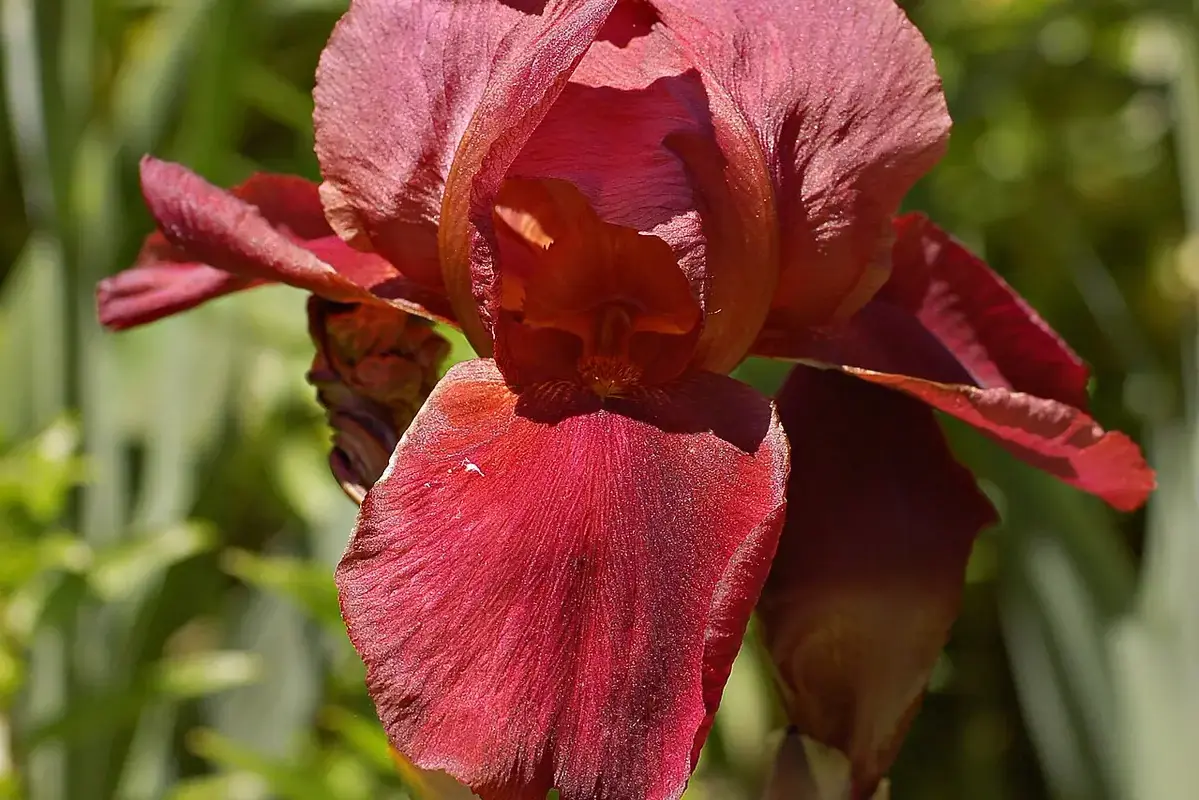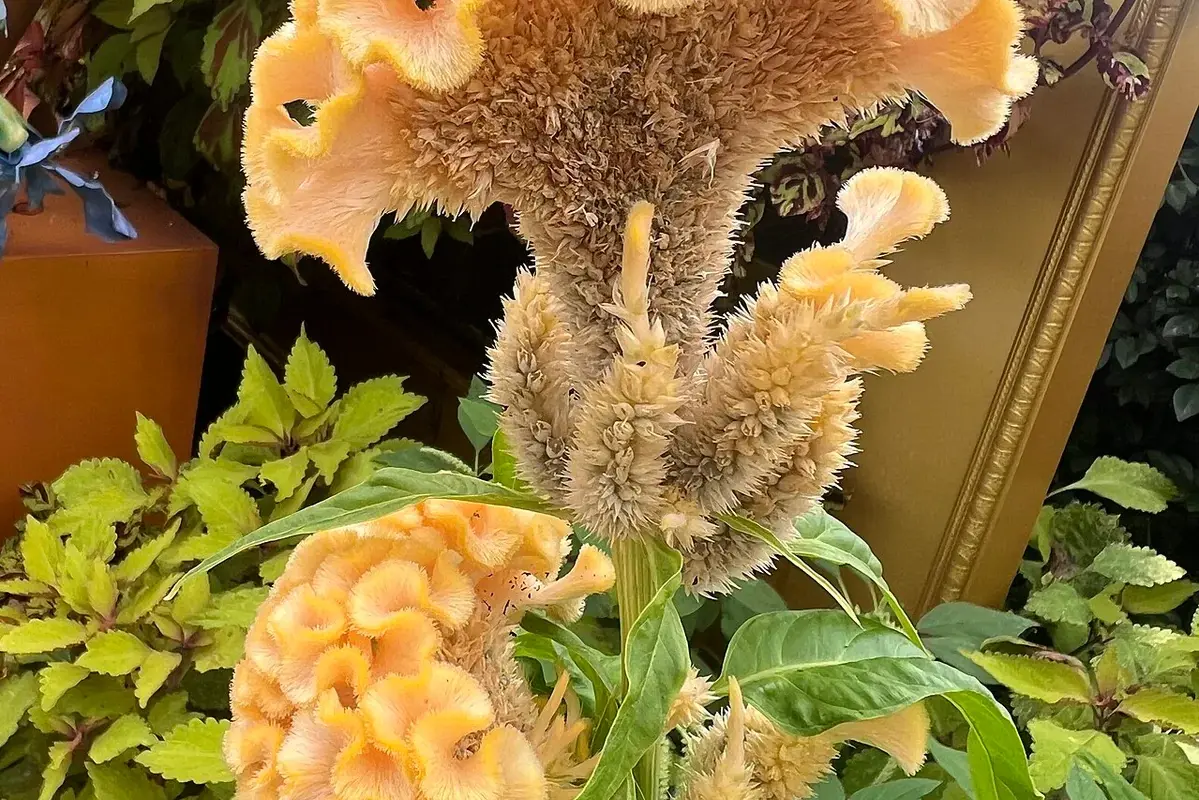
One stem is unusually broad, ribbed and flat, almost as though several stems were pressed together. Did a delivery box squash it? A flattened stem can be a developmental form called fasciation, but a bouquet can also contain genuine compression damage. The important distinction is organized growth versus a new tissue injury. This guide works alongside the comparing transport marks with natural flower texture so you can separate the first observation from the next action.
Ridges extend along a broad section
An organized ribbon with leaves attached along it suggests development rather than one sudden pressure mark.
A widened or crested flower head
The same unusual architecture continuing into the head strengthens the growth-pattern explanation without proving its cause.
Intact skin versus torn wet tissue
A damaged patch can occur on a fasciated stem too; unusual form does not protect it from bruising.
Present at arrival or newly changed
Ask the grower whether this is expected in the cultivar and compare any photograph taken before transport.
Read the evidence before acting
A measured care sequence
- 01Compare more than the cut end
Look from the base to the flower, noting where width changes and where leaves emerge. A single close-up of the flattened base may omit the most useful evidence.
- 02Remove constraining mechanics
Open ties carefully and use a wider vessel if needed. Do not split, hammer or roll the stem in an attempt to reconstruct a cylindrical shape.
- 03Test ordinary function
Place a clean cut end in clean water with appropriate support. Watch whether the head and foliage remain firm rather than treating width itself as a hydration failure.
- 04Keep a small condition record
Recheck the same surface at the next daily inspection. Escalate new softness or collapse, and retain photographs if the supplier needs to assess a problem on the source plant.
Keep, adjust or remove?
- Ridges extend along a broad sectionAn organized ribbon with leaves attached along it suggests development rather than one sudden pressure mark.
- A widened or crested flower headThe same unusual architecture continuing into the head strengthens the growth-pattern explanation without proving its cause.
- Intact skin versus torn wet tissueA damaged patch can occur on a fasciated stem too; unusual form does not protect it from bruising.
- Present at arrival or newly changedAsk the grower whether this is expected in the cultivar and compare any photograph taken before transport.
A strange silhouette is not automatically a damaged flower. Preserve firm functioning material if you enjoy it, but retire tissue that actually deteriorates even when its underlying shape has a botanical explanation. For a related symptom, return to the comparing transport marks with natural flower texture rather than applying several changes at once.
Research notes
Sources and editorial method
This guide turns general postharvest and preservation advice into visible household checks. Timing and thresholds are starting points: cultivar, harvest stage, transport, room humidity and vase condition can change how a particular flower responds.