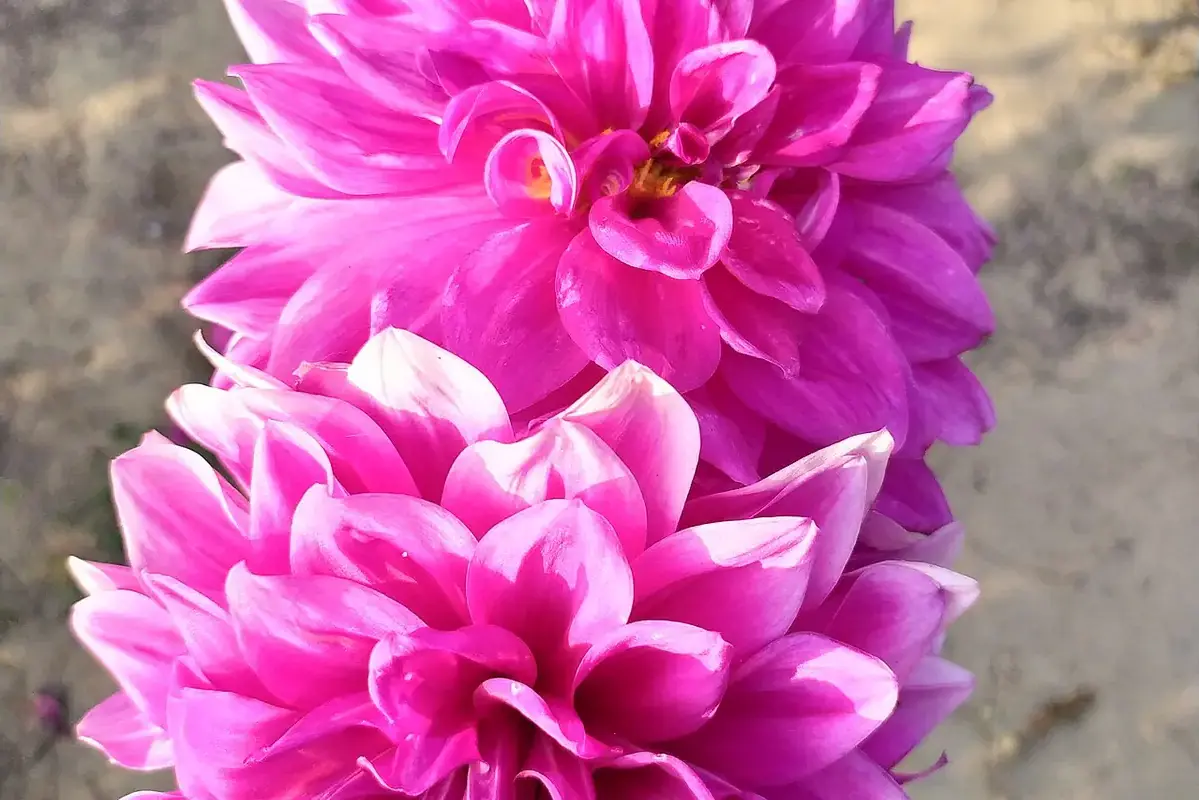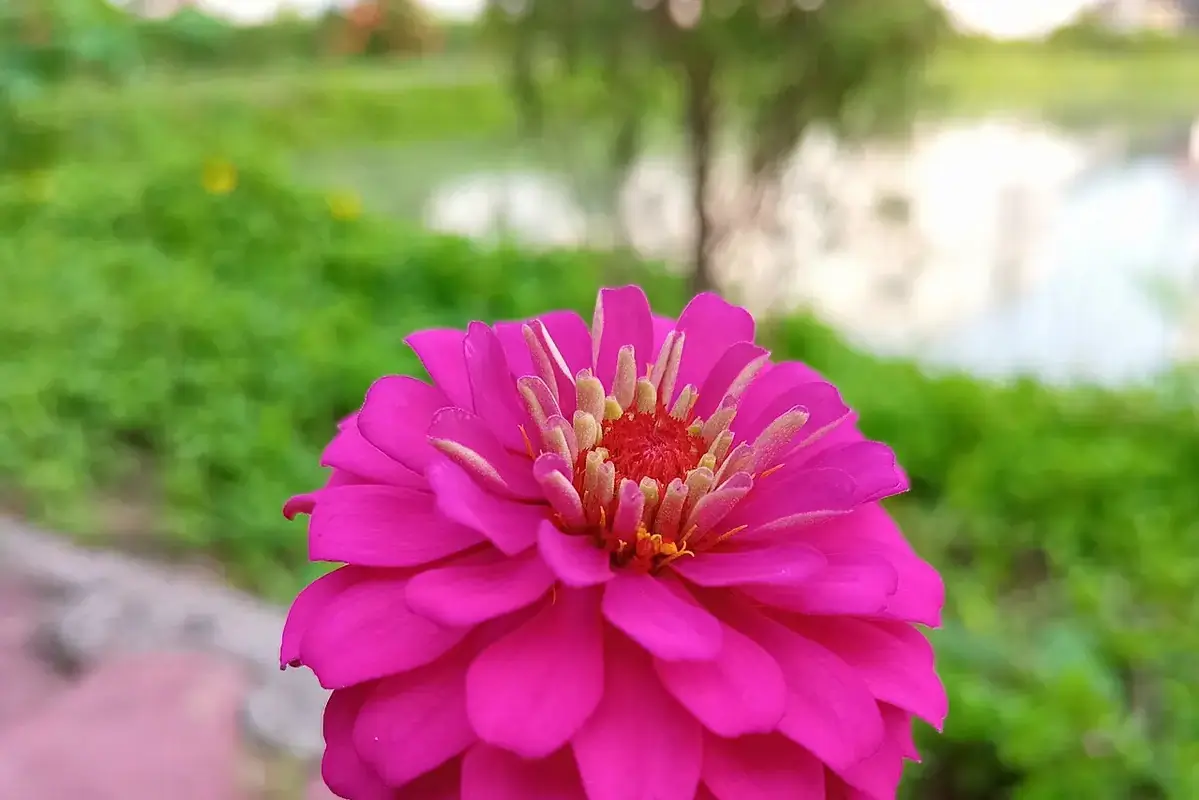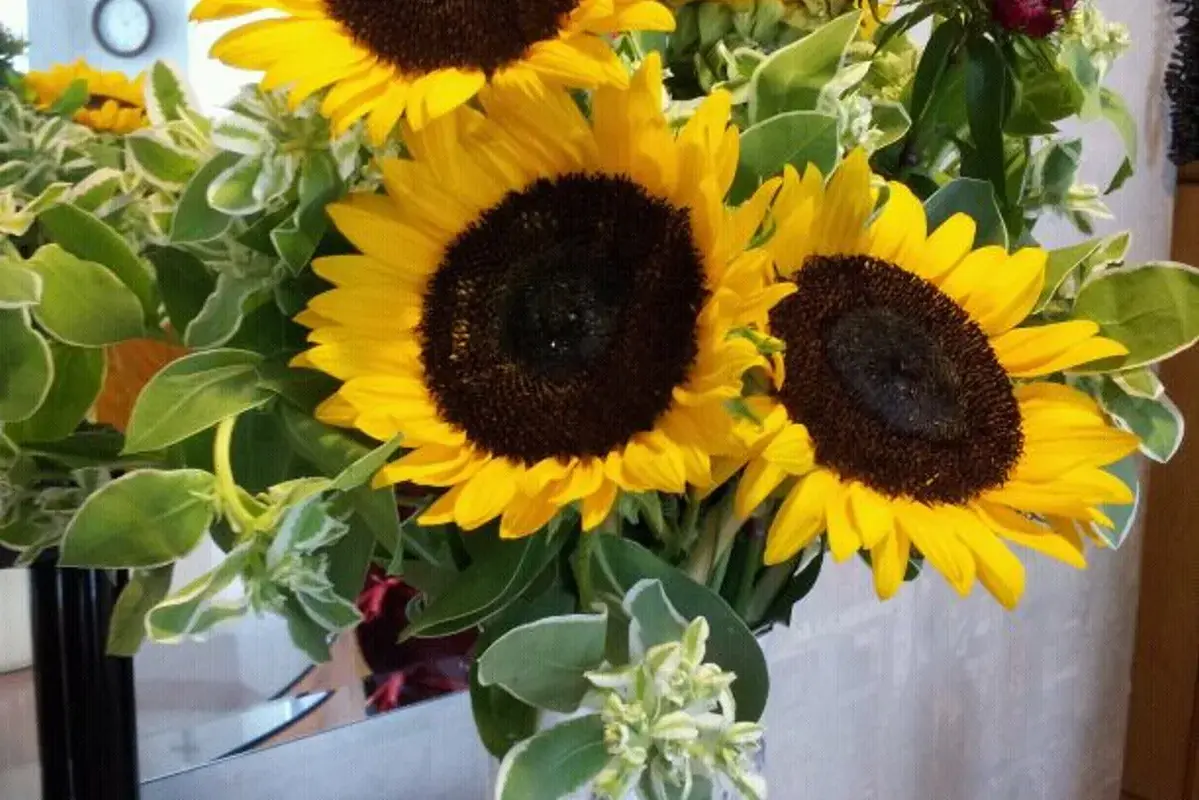
A ceiling fan can make a room feel comfortable while sending repeated air movement over the flower heads, water surface and thin leaves. The useful first question is not whether a familiar remedy worked for somebody else. It is whether the visible change is local to one flower, shared by the vase or being repeated by the room. Check the air at bloom height and waterline height, not only beneath the fan hub; a local draft can affect one side of the bouquet more than the other. Record the starting condition before making a second adjustment, because a clear before-and-after comparison is more useful than several changes made at once. This guide works alongside the airflow placement guide so you can separate the first observation from the next action.
Inspect the most local evidence
Check the air at bloom height and waterline height, not only beneath the fan hub; a local draft can affect one side of the bouquet more than the other. Look at the exact section that changed before assuming the whole flower or bouquet has the same problem.
Compare the vase and neighbouring stems
Clear water, a neutral smell, firm bases and foliage above the waterline support a smaller correction. A shared change calls for a vessel and water check before styling.
Repeat the check at the actual display position
Light, heat, airflow and humidity can repeat the symptom even after a stem is recut. Compare the same outer petals and waterline after a few hours in the calmer position before changing water or adding support.
Know when observation is no longer enough
A useful care plan has a stopping point. Petal edges that crisp, stems that sway constantly or a waterline that drops unusually fast are reasons to relocate the display. Do not continue an experiment once the tissue is collapsing or the equipment is unsafe.
Read the evidence before acting
A measured care sequence
- 01Record the starting condition
Photograph the flower or arrangement, the waterline and the room position. Write down whether Check the air at bloom height and waterline height, not only beneath the fan hub; a local draft can affect one side of the bouquet more than the other. is present in one stem or several, and keep the original label when it is available.
- 02Make the smallest useful change
Move the vase outside the direct airflow path, run the fan at its normal setting and use a tissue strip to confirm that the petals stay mostly still. Change one variable only, so the next inspection can show whether that decision helped rather than producing an unreadable mixture of causes.
- 03Protect the shared water
Keep leaves, loose petals and questionable stems out of the main reservoir. If a stem needs a closer examination, use a clean labelled temporary vessel and keep its cut end supplied with water.
- 04Recheck before escalating
Compare the same outer petals and waterline after a few hours in the calmer position before changing water or adding support. Compare the same surface, base and room conditions after a few hours or the next morning. Keep, adjust or remove the material from evidence, not from a guessed timetable.
Keep, adjust or remove?
- Inspect the most local evidenceCheck the air at bloom height and waterline height, not only beneath the fan hub; a local draft can affect one side of the bouquet more than the other. Look at the exact section that changed before assuming the whole flower or bouquet has the same problem.
- Compare the vase and neighbouring stemsClear water, a neutral smell, firm bases and foliage above the waterline support a smaller correction. A shared change calls for a vessel and water check before styling.
- Repeat the check at the actual display positionLight, heat, airflow and humidity can repeat the symptom even after a stem is recut. Compare the same outer petals and waterline after a few hours in the calmer position before changing water or adding support.
- Know when observation is no longer enoughA useful care plan has a stopping point. Petal edges that crisp, stems that sway constantly or a waterline that drops unusually fast are reasons to relocate the display. Do not continue an experiment once the tissue is collapsing or the equipment is unsafe.
The practical decision is whether the material remains firm, clean and useful in the design. Move the vase outside the direct airflow path, run the fan at its normal setting and use a tissue strip to confirm that the petals stay mostly still. If compare the same outer petals and waterline after a few hours in the calmer position before changing water or adding support. shows deterioration, remove the affected material and return to the linked guide instead of making several unrecorded changes. For a related symptom, return to the airflow placement guide rather than applying several changes at once.
Research notes
Sources and editorial method
This guide turns general postharvest and preservation advice into visible household checks. Timing and thresholds are starting points: cultivar, harvest stage, transport, room humidity and vase condition can change how a particular flower responds.