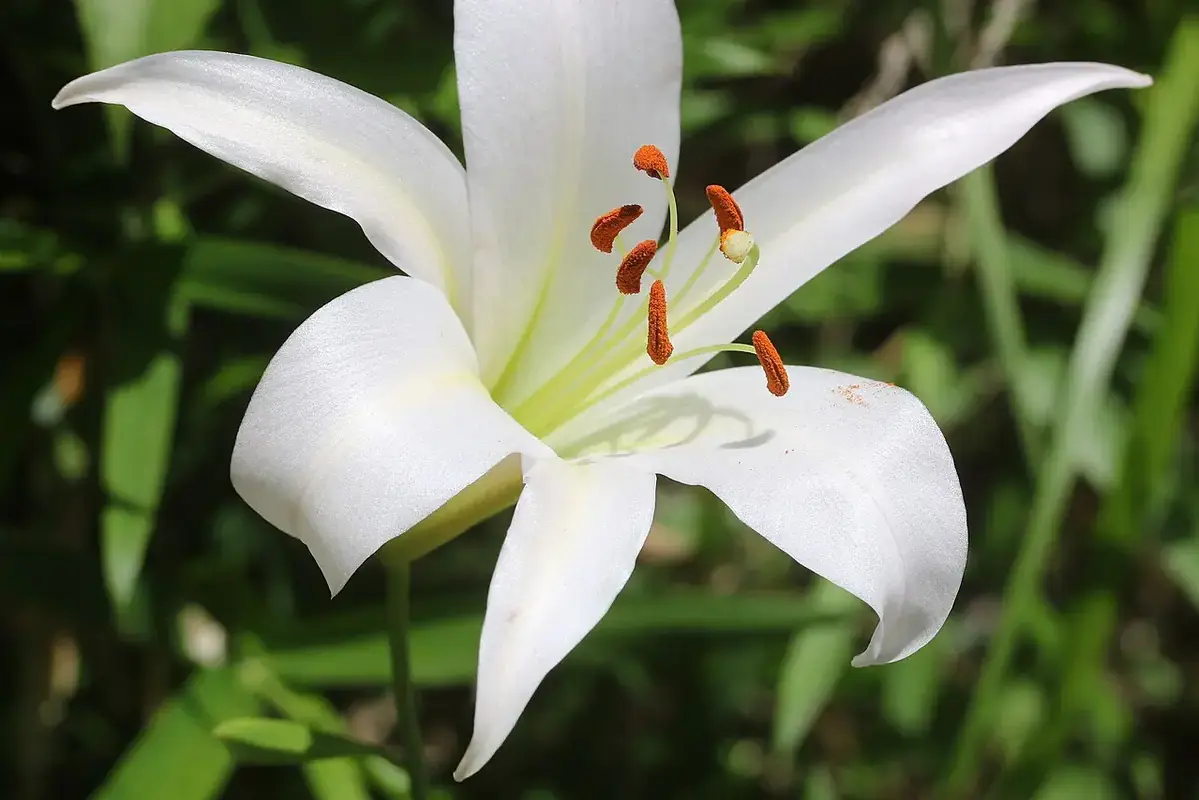
Fluoride sensitivity is most useful as a species-and-source exception. Do not diagnose a leaf tip from one mark alone. If a sensitive flower is repeatedly exposed to a known fluoride source, use a labelled alternative and watch the whole stem rather than adding an unmeasured chemical remedy. This guide works alongside the tap and filtered water guide so you can separate the first observation from the next action.
Is damage repeated at tips or margins?
A pattern is more useful than one bruised leaf or petal.
Is fluoride known or only suspected?
Water reports and treatment information are stronger than guesswork.
Are water and stems otherwise clean?
Slime, heat or submerged foliage can explain decline more directly.
Read the evidence before acting
A measured care sequence
- 01Check the local source
Read the water report or ask the supplier; do not infer fluoride from taste or a vase ring.
- 02Audit routine care
Confirm clean water, no submerged leaves and a calm room before changing chemistry.
- 03Set a control
Use two clean labelled vessels with the same flower and no extra additives.
- 04Review the pattern
Compare new tissue and stem firmness; retain only the source that performs without new warning signs.
Keep, adjust or remove?
- Is damage repeated at tips or margins?A pattern is more useful than one bruised leaf or petal.
- Is fluoride known or only suspected?Water reports and treatment information are stronger than guesswork.
- Are water and stems otherwise clean?Slime, heat or submerged foliage can explain decline more directly.
If symptoms are severe, fast or uncertain, discard the failing stem and ask the florist or grower about the cultivar. Do not advertise a vase as “fluoride-free” without a verified source. For a related symptom, return to the tap and filtered water guide rather than applying several changes at once.
Research notes
Sources and editorial method
This guide turns general postharvest and preservation advice into visible household checks. Timing and thresholds are starting points: cultivar, harvest stage, transport, room humidity and vase condition can change how a particular flower responds.


