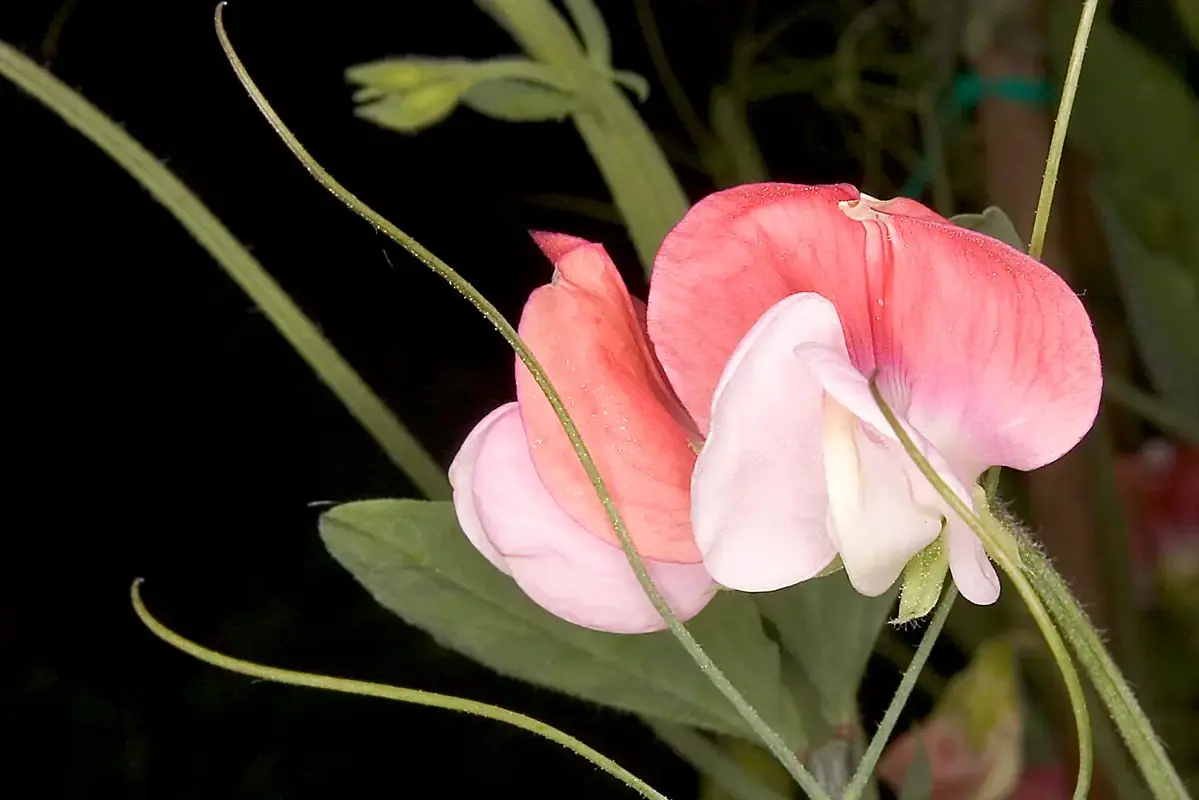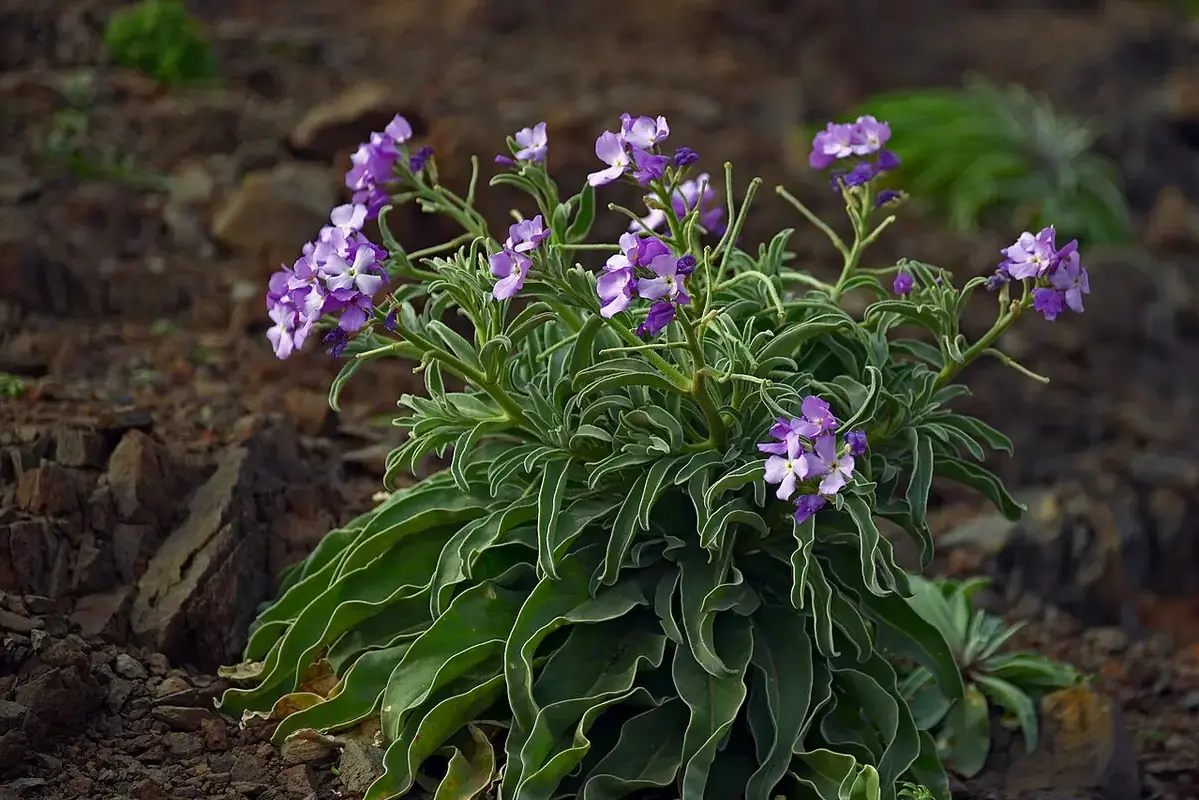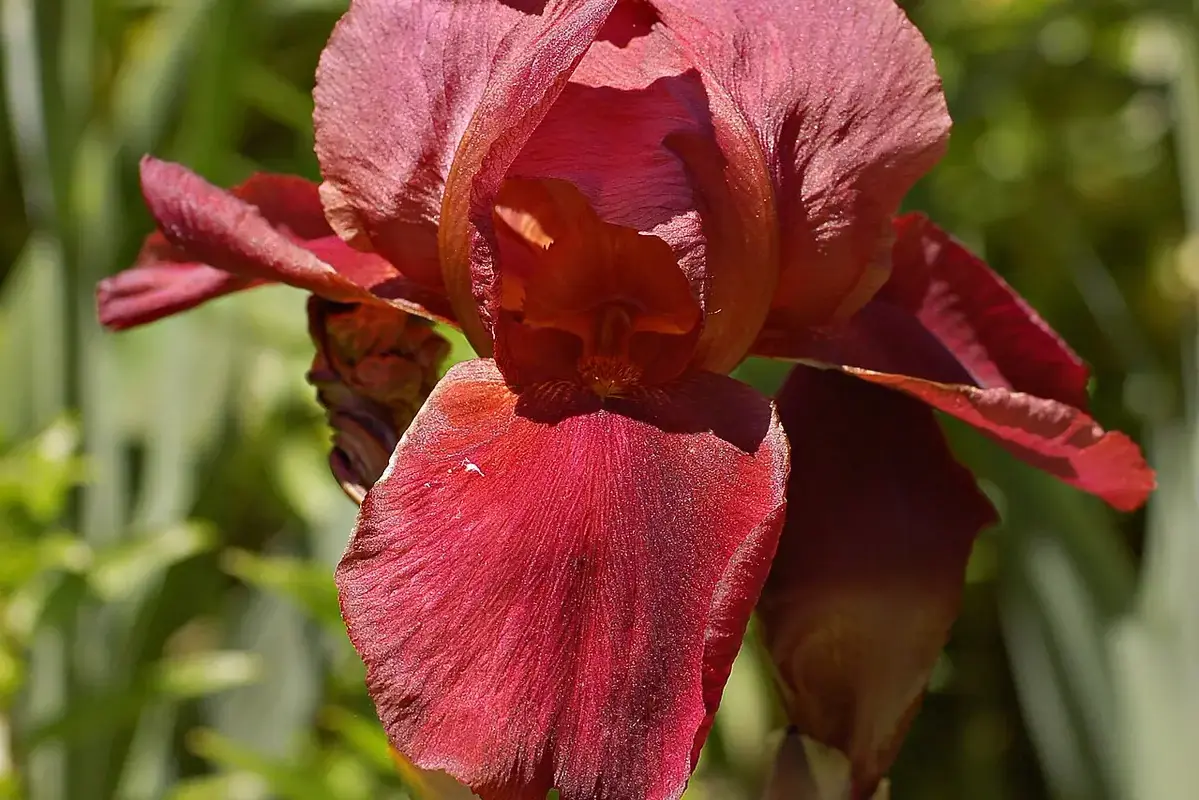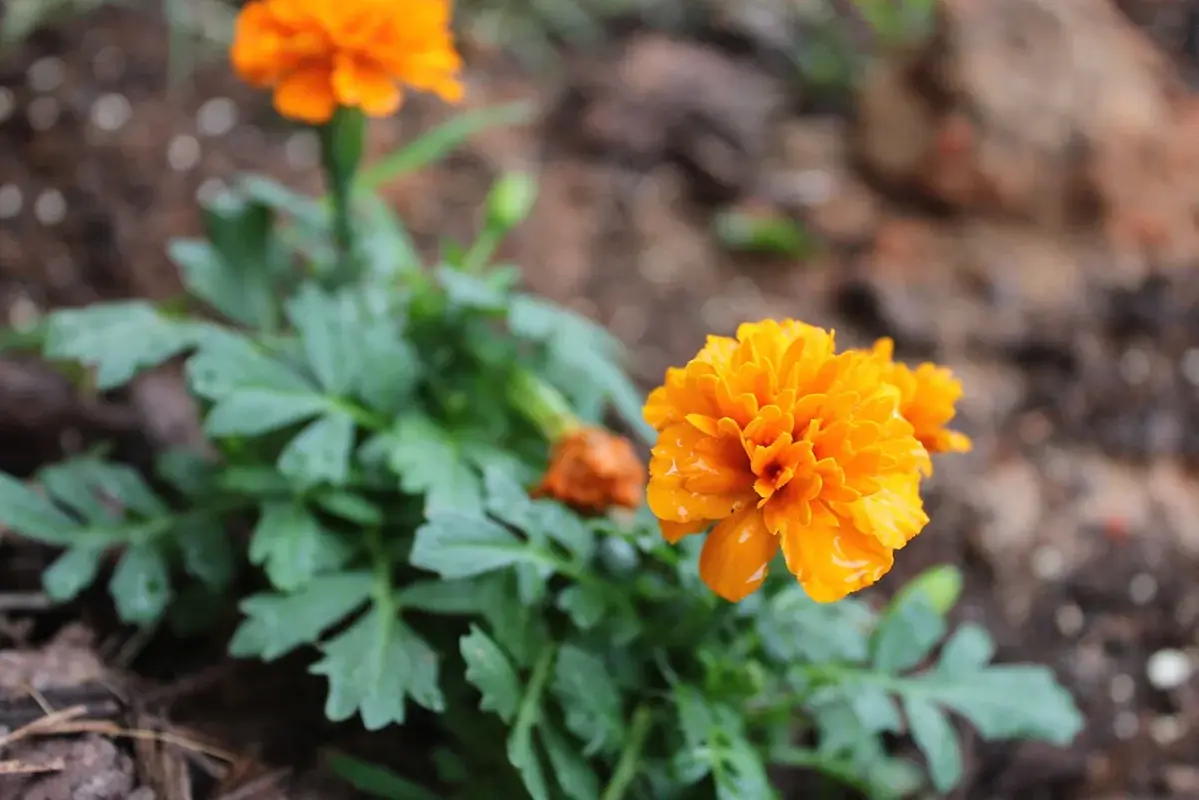
A coneflower or zinnia has green leafy structures where ordinary floral parts were expected. Is it simply an unusual variety, an immature flower or a disease sign? Green colour alone cannot answer that. Compare the actual structures, the cultivar description and, when available, the plant from which the stem was harvested. This guide works alongside the another developmental change that can resemble a second flower so you can separate the first observation from the next action.
Compare a reliable cultivar photograph
Some ornamental flowers are naturally green or have unusual centres. A matching consistent form across healthy plants is different from a new distortion on one shoot.
Look beyond the colour
Notice whether the centre contains leaf-shaped growth instead of normal small florets. A green unopened centre alone is not enough to call the change phyllody.
Ask for the garden context
Yellowing, stunting or clusters of weak abnormal shoots can make a plant-health problem more plausible. A detached flower does not reveal the full symptom pattern.
Keep suspect material away from living collections
Aster yellows is associated with leafhopper transmission, not a diagnosis made from shared vase water. Avoid taking suspect material into a greenhouse or using it for propagation.
Read the evidence before acting
A measured care sequence
- 01Keep identity and origin together
Write down the flower name, cultivar if known, harvest location and date. Ask a florist for the variety before assuming that an intentionally green flower is abnormal.
- 02Record structure without dismantling it
Photograph the front, side and leaf-like centre in good natural light. Avoid cutting every suspicious part away before a diagnostic adviser can see it.
- 03Inspect the source plant when possible
Look for abnormal branching, discoloured leaves and similar changes on other flowers without moving plant material between beds. Send photographs first and follow instructions if a physical sample is requested.
- 04Keep the decisions separate
Decide whether the cut stem is suitable for display independently of the garden diagnosis. If removal is advised, use the recommended disposal route; do not root it, save it for propagation or return it to the flower bed.
Keep, adjust or remove?
- Compare a reliable cultivar photographSome ornamental flowers are naturally green or have unusual centres. A matching consistent form across healthy plants is different from a new distortion on one shoot.
- Look beyond the colourNotice whether the centre contains leaf-shaped growth instead of normal small florets. A green unopened centre alone is not enough to call the change phyllody.
- Ask for the garden contextYellowing, stunting or clusters of weak abnormal shoots can make a plant-health problem more plausible. A detached flower does not reveal the full symptom pattern.
- Keep suspect material away from living collectionsAster yellows is associated with leafhopper transmission, not a diagnosis made from shared vase water. Avoid taking suspect material into a greenhouse or using it for propagation.
The next useful evidence is usually the cultivar record or the source plant, not a stronger vase solution. Keep that evidence intact and obtain advice when the abnormal structure comes with wider plant symptoms. For a related symptom, return to the another developmental change that can resemble a second flower rather than applying several changes at once.
Research notes
Sources and editorial method
This guide turns general postharvest and preservation advice into visible household checks. Timing and thresholds are starting points: cultivar, harvest stage, transport, room humidity and vase condition can change how a particular flower responds.