A generous cut near ground level gives you flowers and matching leaves together, but it also removes the foliage feeding next season's bulb. Whether you are planning a northern spring cutting patch or harvesting in another hemisphere, decide what stays on the plant before deciding what goes into the vase. This guide works alongside the bringing garden stems into a mixed bouquet so you can separate the first observation from the next action.
Permanent planting or disposable crop
A bulb intended to flower again needs a different harvesting decision from commercially grown stems removed with their bulbs.
Separate stalk versus leafy stem
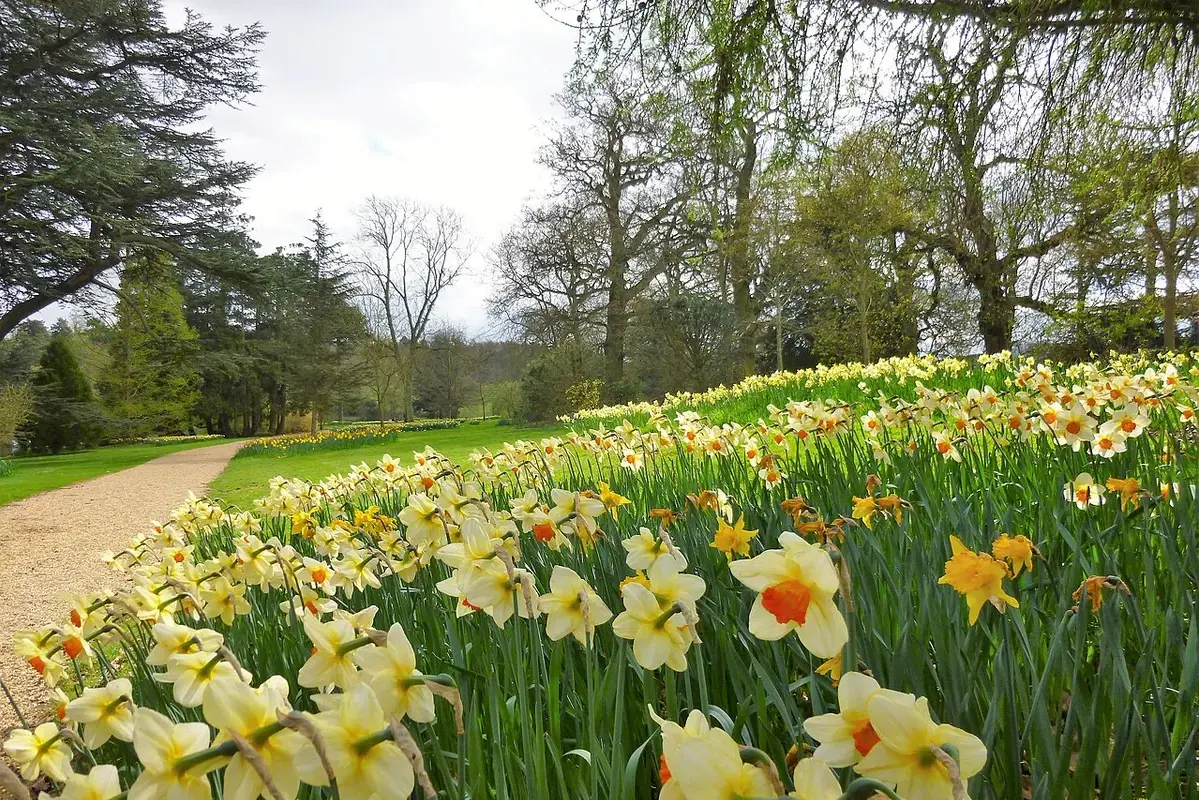
Daffodil leaves and flower stalks are separate; do not assume that every bulb has the same cut point.
Green tissue still present
Leaves continue making food after the flower is removed; an empty flower stalk does not mean the plant is dormant.
Actual vessel rather than an ideal stem
A smaller vase may make a conservative cut workable without sacrificing the donor plant's remaining leaves.
Read the evidence before acting
A measured care sequence
- 01Choose the display before the harvest
Set out a smaller vase and clean holding water. Decide whether a modest number of short flowers will meet the design goal instead of collecting a large bunch by habit.
- 02Trace the intended stalk
Separate it visually from neighboring leaves all the way to the planned cut. Keep fingers clear of the blade and avoid sawing blindly through a dense clump.
- 03Cut and hydrate the flower
Use a clean sharp tool and transfer the cut end promptly to water. Handle daffodils separately according to their conditioning needs before considering a mixed arrangement.
- 04Check what remains outdoors
Leave the retained leaves untied and undamaged. Continue the species-appropriate growing care, and wait for natural yellowing and dieback rather than removing foliage because the flowers are gone.
Keep, adjust or remove?
- Permanent planting or disposable cropA bulb intended to flower again needs a different harvesting decision from commercially grown stems removed with their bulbs.
- Separate stalk versus leafy stemDaffodil leaves and flower stalks are separate; do not assume that every bulb has the same cut point.
- Green tissue still presentLeaves continue making food after the flower is removed; an empty flower stalk does not mean the plant is dormant.
- Actual vessel rather than an ideal stemA smaller vase may make a conservative cut workable without sacrificing the donor plant's remaining leaves.
Record which plants were harvested and how much foliage remained. The useful result is both a workable vase arrangement now and a donor plant with a chance to replenish its reserves, not the longest possible stem. For a related symptom, return to the bringing garden stems into a mixed bouquet rather than applying several changes at once.
Research notes
Sources and editorial method
This guide turns general postharvest and preservation advice into visible household checks. Timing and thresholds are starting points: cultivar, harvest stage, transport, room humidity and vase condition can change how a particular flower responds.