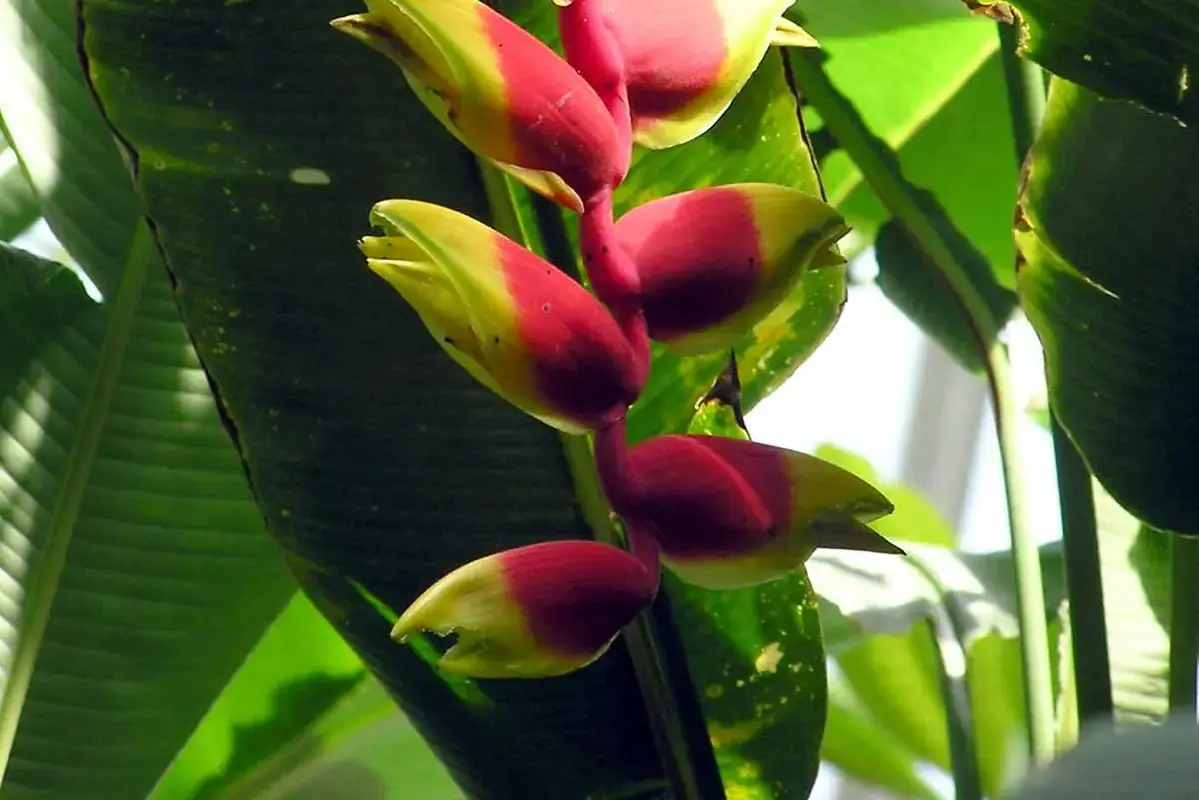
A tight heliconia seems like the freshest purchase, especially if you expect it to open like a lily. Its conspicuous coloured structures are bracts, however, and the after-harvest development of the display is not the same as a conventional bud bouquet. This guide works alongside the comparing another sculptural tropical cut flower so you can separate the first observation from the next action.
Bracts already at the desired opening
Do not make an important event depend on a large later expansion.
Firm colour without crushed margins
The present bract condition matters because damaged areas will not be replaced by a new flower face.
Heliconia type and supplier guidance
Upright and pendant forms have different mechanical space requirements.
Cold exposure or shipping damage
A fresh-looking arrival can still show later injury; retain the purchase record when condition is uncertain.
Read the evidence before acting
A measured care sequence
- 01Inspect before buying
Look at the complete inflorescence from both sides and choose sound bracts at an acceptable stage.
- 02Prepare a stable support
Use a vessel suited to the weight and posture without forcing the main stalk against a sharp rim.
- 03Follow tropical-specific handling
Keep out of direct heat and cold storage intended for ordinary temperate bouquets; obtain exact advice from the supplier when needed.
- 04Review the existing bracts
Check margins, attachment and stalk firmness rather than waiting for a dramatic new opening.
Keep, adjust or remove?
- Bracts already at the desired openingDo not make an important event depend on a large later expansion.
- Firm colour without crushed marginsThe present bract condition matters because damaged areas will not be replaced by a new flower face.
- Heliconia type and supplier guidanceUpright and pendant forms have different mechanical space requirements.
- Cold exposure or shipping damageA fresh-looking arrival can still show later injury; retain the purchase record when condition is uncertain.
Buy heliconia for the architecture already present, then protect that architecture. A sound mature-looking display is often a better match for the task than an attractive promise of later opening. For a related symptom, return to the comparing another sculptural tropical cut flower rather than applying several changes at once.
Research notes
Sources and editorial method
This guide turns general postharvest and preservation advice into visible household checks. Timing and thresholds are starting points: cultivar, harvest stage, transport, room humidity and vase condition can change how a particular flower responds.


