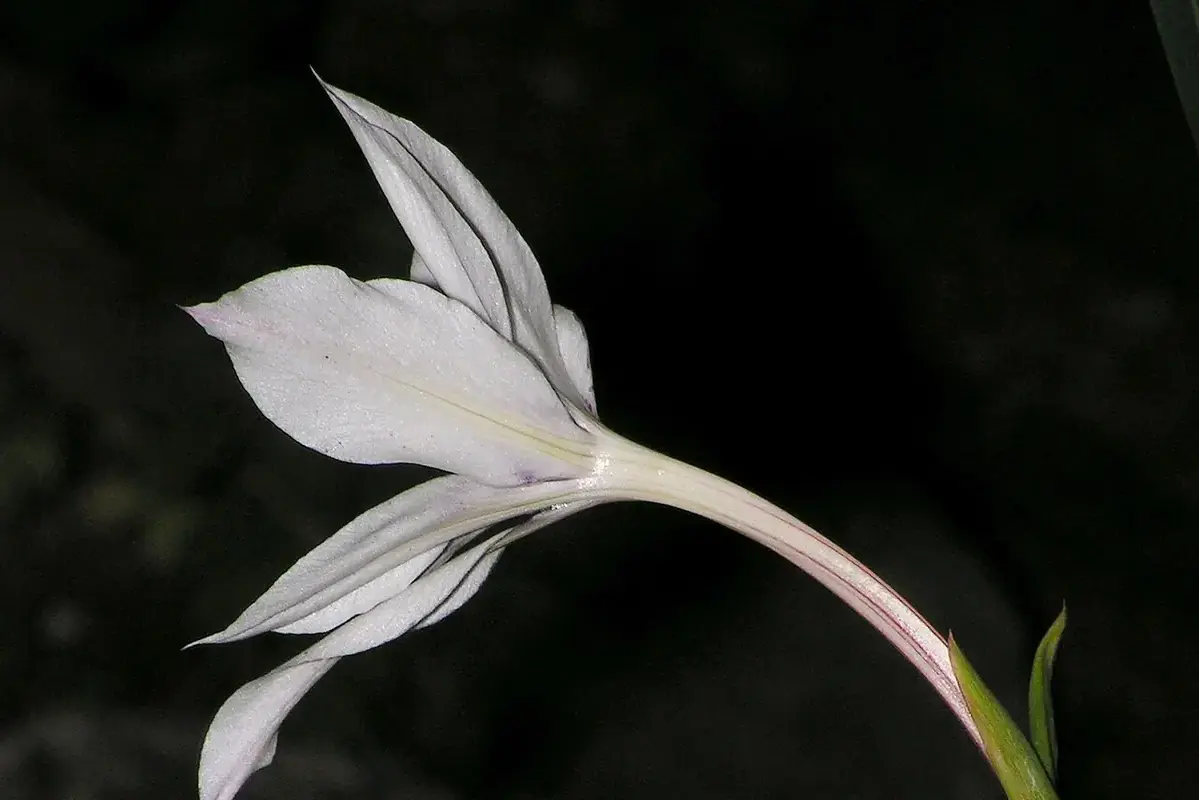
Anemone stems can lengthen and lean as the flowers open. Use a narrower opening or a loose stem structure, keep the waterline below the foliage and adjust one stem at a time when the heads begin to fall outward. This guide works alongside the stem-bend diagnostic so you can separate the first observation from the next action.
Stem is longer
A healthy lengthening stem may need a better vessel even when its base is firm.
Head softens from below
Recut and hydrate before deciding that support is the solution.
Bend is local
A fold exactly at the glass points to pressure or a poor opening.
Heads touch
Open flowers need room so support does not become petal bruising.
Read the evidence before acting
A measured care sequence
- 01Choose the vessel before cutting
Use a clean opening that supports the lower stems without pressing on the heads.
- 02Set a moderate waterline
Cover each cut end while keeping leaves and flowers dry.
- 03Build a loose centre
Cross a few stems or place a small group upright so the outer flowers have something to lean against.
- 04Review after opening
As the anemones lengthen, lower or shorten only the stem that no longer fits the design.
Keep, adjust or remove?
- Stem is longerA healthy lengthening stem may need a better vessel even when its base is firm.
- Head softens from belowRecut and hydrate before deciding that support is the solution.
- Bend is localA fold exactly at the glass points to pressure or a poor opening.
- Heads touchOpen flowers need room so support does not become petal bruising.
If the flower stays upright after a vessel change and a quiet hour, leave it alone. Repeated handling is more damaging than a small natural curve. For a related symptom, return to the stem-bend diagnostic rather than applying several changes at once.
Research notes
Sources and editorial method
This guide turns general postharvest and preservation advice into visible household checks. Timing and thresholds are starting points: cultivar, harvest stage, transport, room humidity and vase condition can change how a particular flower responds.


