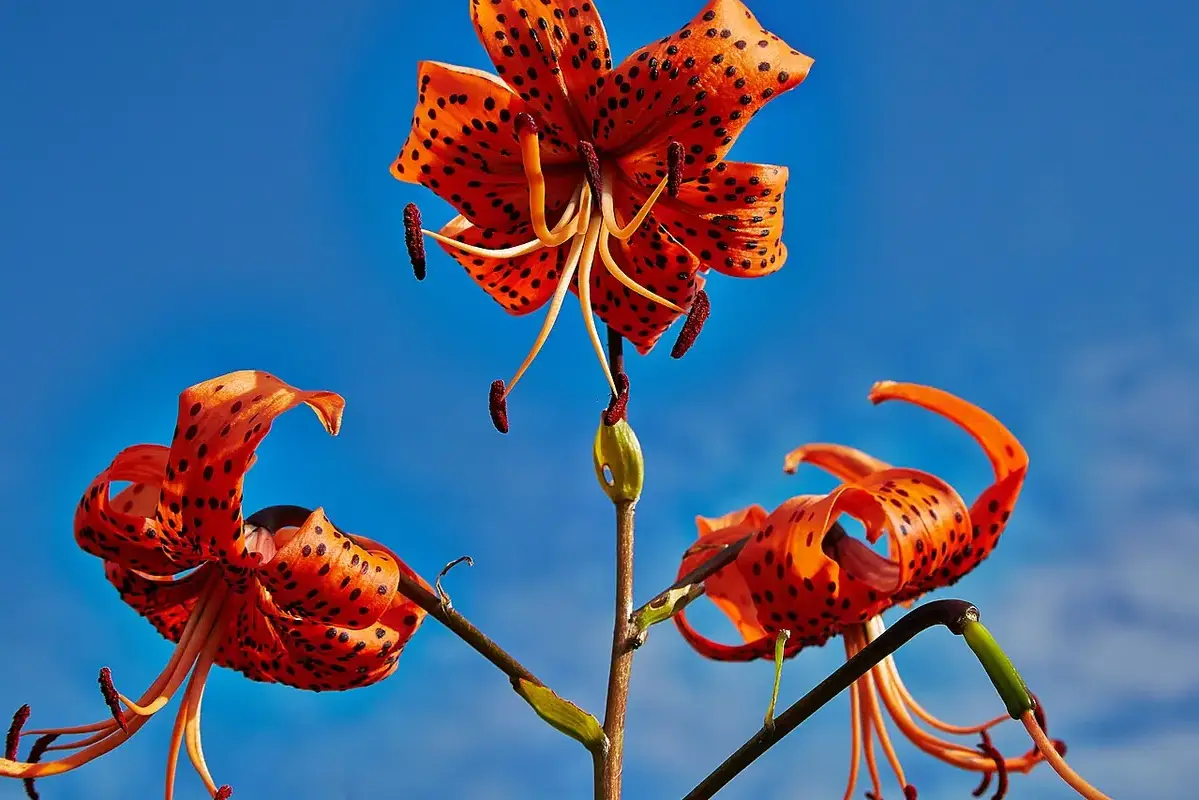
Can a bouquet containing lilies stay if the vase is on a shelf the cat rarely visits? This guide works alongside the pet-aware flower selection guide so you can separate the first observation from the next action.
Botanical name
Ask the florist for the exact flower; a common name containing lily is not precise enough.
Fallen petals or water
A cat does not have to chew the main bloom to be exposed.
Possible pollen contact
Pollen on fur may be swallowed during grooming; obtain urgent veterinary advice.
Unobserved contact
An apparently normal cat does not rule out an early exposure.
Read the evidence before acting
A measured care sequence
- 01Separate the cat first
Prevent further access without delaying a veterinary call. Do not carry an uncovered shedding bouquet past the animal.
- 02Call with useful details
Provide the flower label, a photo, approximate exposure time and what may have been swallowed or contacted. Follow the veterinary instructions.
- 03Contain the display
When safe to do so, contain petals, stems and vase water and clean the affected surfaces without allowing the cat to investigate.
- 04Change future orders
Tell senders and the florist that the household has cats and requires a positively identified alternative, not merely a low-pollen lily.
Keep, adjust or remove?
- Botanical nameAsk the florist for the exact flower; a common name containing lily is not precise enough.
- Fallen petals or waterA cat does not have to chew the main bloom to be exposed.
- Possible pollen contactPollen on fur may be swallowed during grooming; obtain urgent veterinary advice.
- Unobserved contactAn apparently normal cat does not rule out an early exposure.
This is an exclusion decision, not a distance calculation. If exposure is possible, urgent veterinary guidance takes priority over bouquet cleanup. For a related symptom, return to the pet-aware flower selection guide rather than applying several changes at once.
Research notes
Sources and editorial method
This guide turns general postharvest and preservation advice into visible household checks. Timing and thresholds are starting points: cultivar, harvest stage, transport, room humidity and vase condition can change how a particular flower responds.


