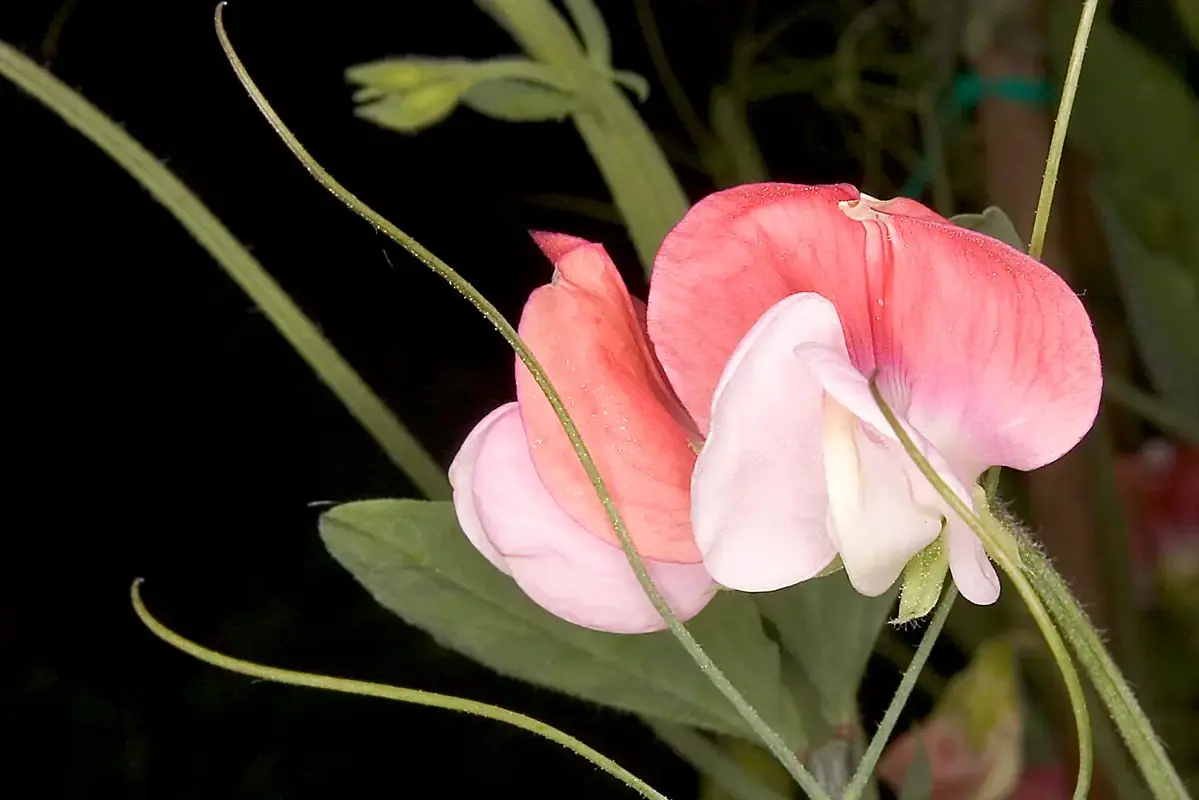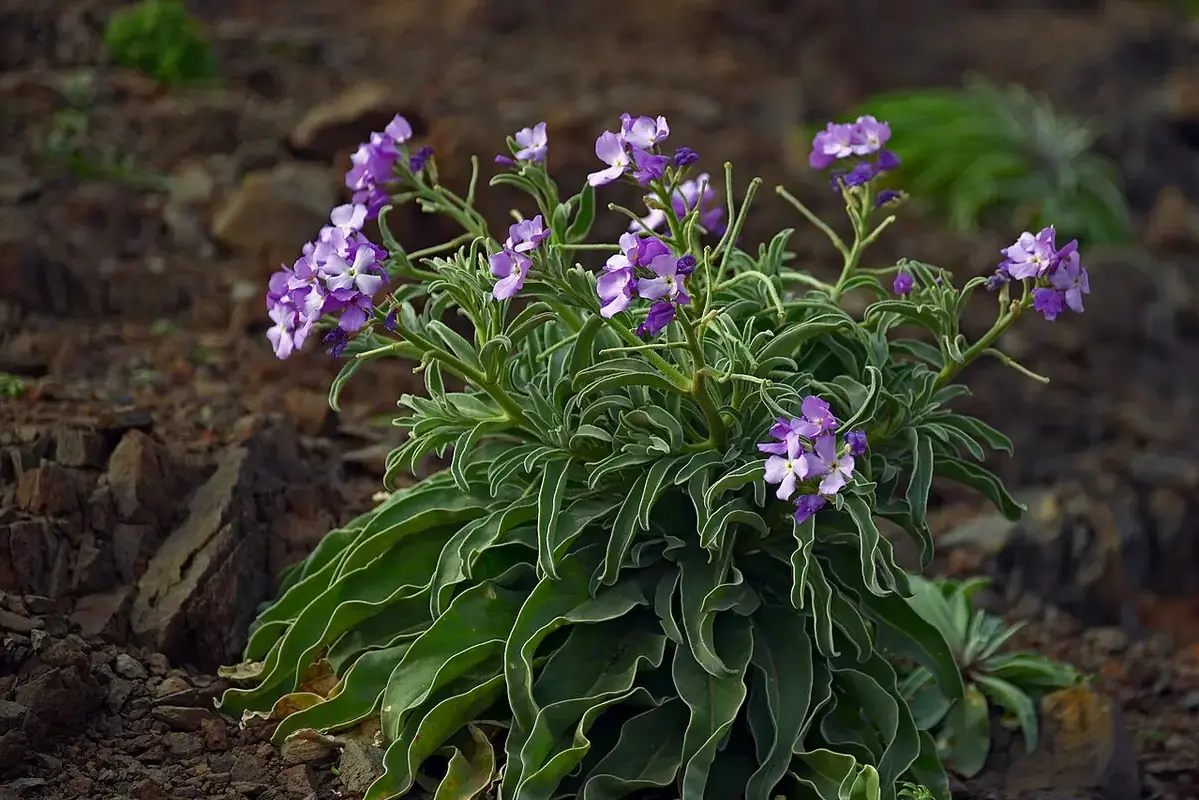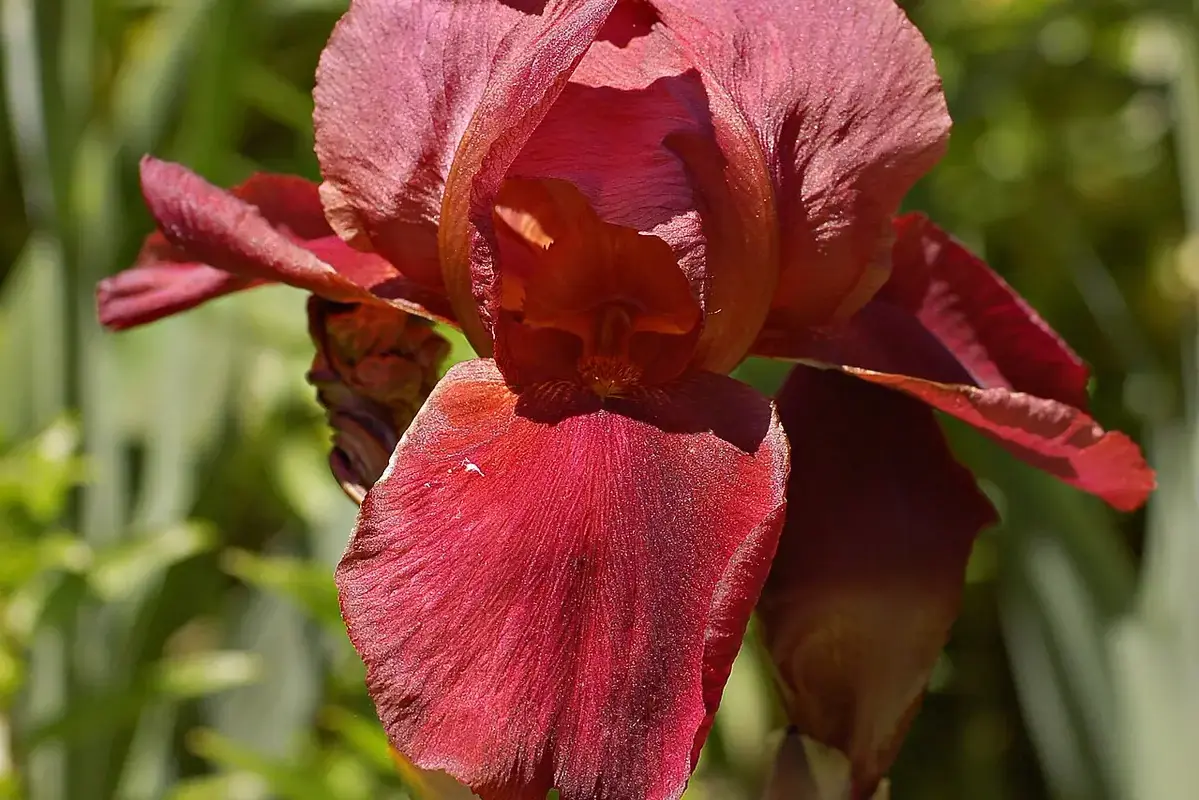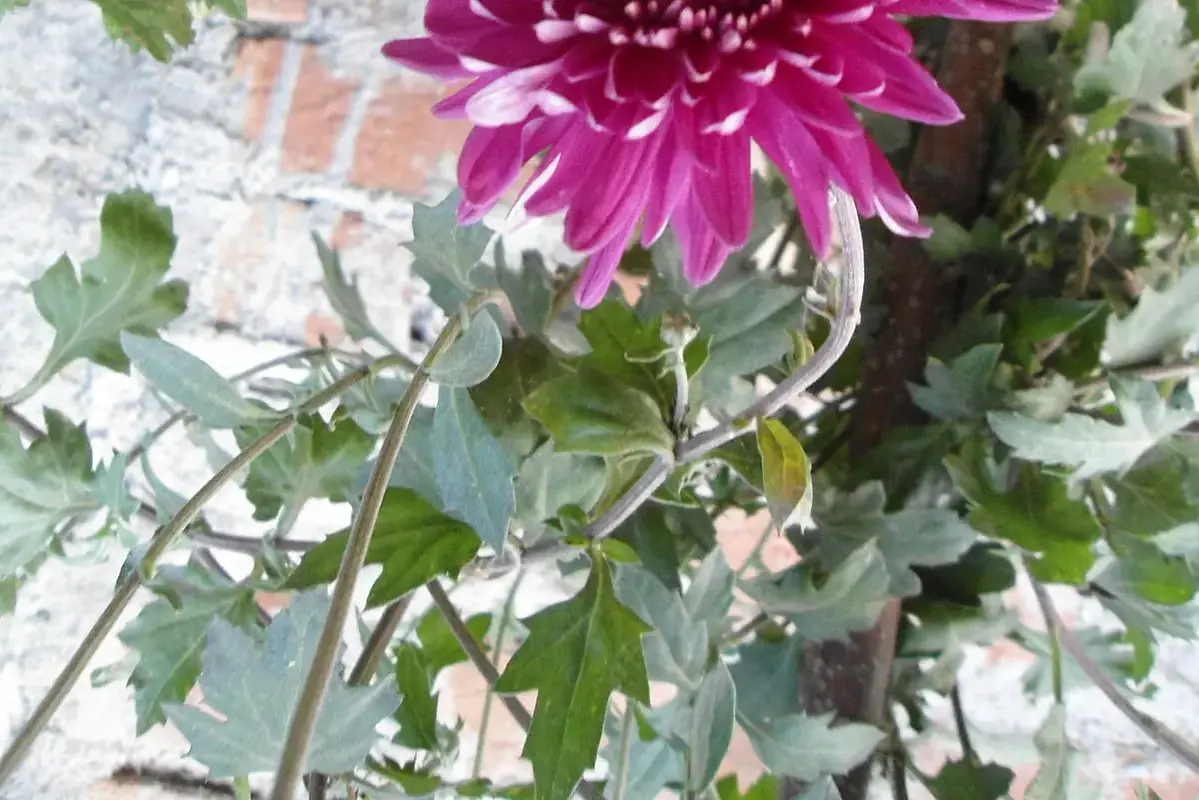
Is the narrow waist on a cut flower stem a harmless tie mark, or is the stem about to fail? This guide works alongside the transport pressure comparison guide so you can separate the first observation from the next action.
One narrow groove
A single matching groove often follows a tie or contact point rather than the whole stem drying.
Tissue at the pinch
Press very lightly above and below; firm tissue is different from a collapsing neck.
Dry or wet edge
A dry clean mark is less urgent than a spreading wet, dark or odorous area.
Head response
Watch whether the head stays in position when the stem is placed in a simple test vase.
Read the evidence before acting
A measured care sequence
- 01Photograph the mark
Record the location beside a ruler or vase rim so a changing crease is not mistaken for a new stem.
- 02Check the stem dry
Lift the stem while keeping the cut end wet, and compare firmness above and below the groove.
- 03Run a small test
If firm tissue remains, recut once above the damaged section and hold it alone in clean prepared water.
- 04Recheck support
After two hours, keep the stem only if the head remains stable and the cut surface is firm rather than slimy.
Keep, adjust or remove?
- One narrow grooveA single matching groove often follows a tie or contact point rather than the whole stem drying.
- Tissue at the pinchPress very lightly above and below; firm tissue is different from a collapsing neck.
- Dry or wet edgeA dry clean mark is less urgent than a spreading wet, dark or odorous area.
- Head responseWatch whether the head stays in position when the stem is placed in a simple test vase.
Keep a stable stem with a dry shallow mark, but treat a spreading, wet or sharply folded pinch as a structural problem rather than a styling detail. For a related symptom, return to the transport pressure comparison guide rather than applying several changes at once.
Research notes
Sources and editorial method
This guide turns general postharvest and preservation advice into visible household checks. Timing and thresholds are starting points: cultivar, harvest stage, transport, room humidity and vase condition can change how a particular flower responds.