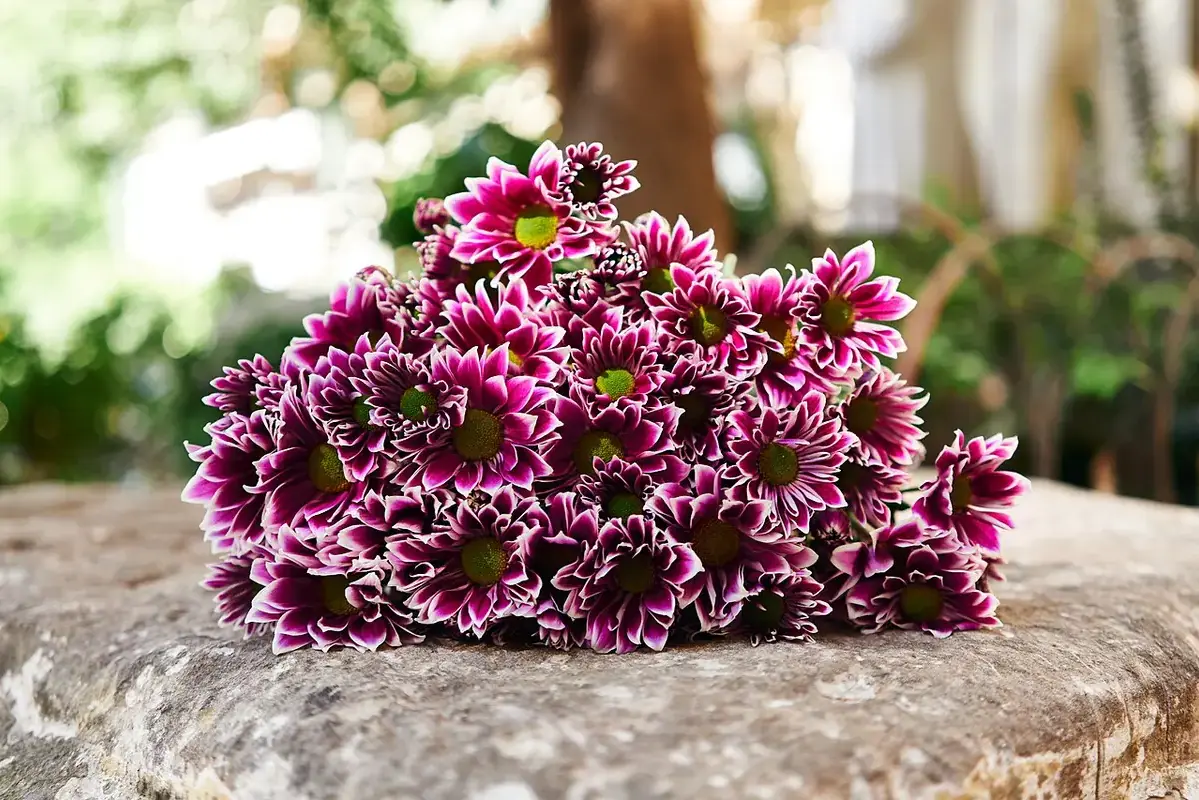
When several gifts are being made at once, a tidy-looking table can still send the same dirty scissors and old water through every bouquet. The challenge is the direction of work, not simply the number of buckets. This guide works alongside the preparing flowers from different sources so you can separate the first observation from the next action.
Packaging and field debris
Keep sleeves, muddy foliage and delivery water on the incoming side.
Blade and hand contact
A tool that touched a soft base should not immediately trim the next finished bunch.
Separate clean reservoirs
Label containers by bouquet or treatment need rather than sharing one catch-all bucket.
An uncluttered exit area
Finished gifts should not sit where new trimmings fall into their water.
Read the evidence before acting
A measured care sequence
- 01Assign the work direction
Put incoming buckets at one end, the trimming tray in the middle and clean labelled vases at the other.
- 02Inspect before combining
Discard failed material and retain any special florist instructions with the correct group.
- 03Reset contact surfaces
Remove plant residue, wash and rinse tools as appropriate, and wash hands before handling finished stems.
- 04Close each gift independently
Check its waterline and packet label, then move it off the active bench before starting the next bunch.
Keep, adjust or remove?
- Packaging and field debrisKeep sleeves, muddy foliage and delivery water on the incoming side.
- Blade and hand contactA tool that touched a soft base should not immediately trim the next finished bunch.
- Separate clean reservoirsLabel containers by bouquet or treatment need rather than sharing one catch-all bucket.
- An uncluttered exit areaFinished gifts should not sit where new trimmings fall into their water.
If debris starts crossing the bench, pause and clear it rather than working faster around it. The last bouquet should receive the same clean start as the first. For a related symptom, return to the preparing flowers from different sources rather than applying several changes at once.
Research notes
Sources and editorial method
This guide turns general postharvest and preservation advice into visible household checks. Timing and thresholds are starting points: cultivar, harvest stage, transport, room humidity and vase condition can change how a particular flower responds.


