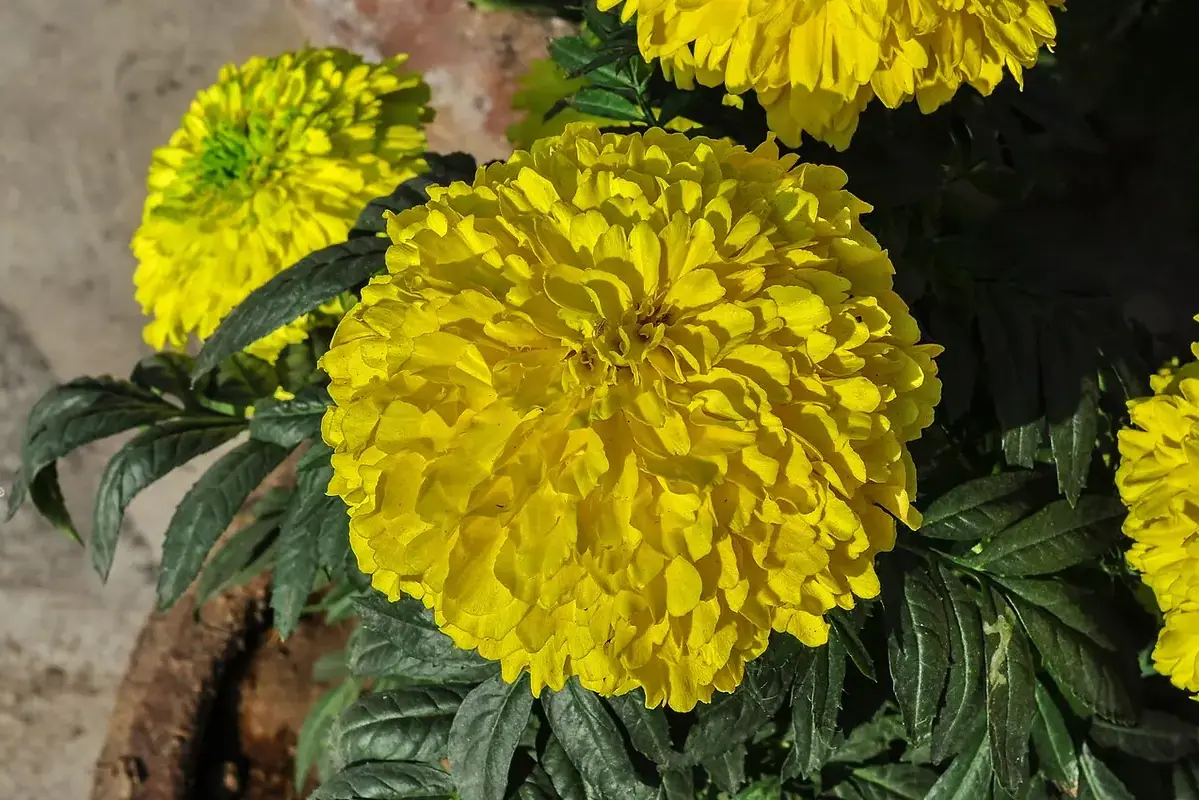
Brown edges are usually decided before the flower press is opened: old petals already contain damaged tissue, while a thick wet centre dries too slowly. If a bouquet flower is still three-dimensional and worth preserving whole, compare it with the air-drying candidate test or use the silica-gel method instead of forcing it flat.
Pressing is best treated as moisture management, not simply “putting flowers in a heavy book.” The useful variables are thickness, paper contact, pressure and the first three days of drying.
Choose by thickness
Three pressing groups
Thin, open and dry
Pansies, violas, cosmos, small daisies, delicate leaves and fine grasses usually make full contact with the paper.
Useful after disassembly
Use individual rose or peony petals, split small carnations lengthwise, and remove bulky stamens when they prevent even contact.
Dense or water-rich
Whole roses, lilies, thick chrysanthemums and fleshy flowers retain moisture in the centre. Preserve their shape with silica gel.
Prepare the flower without washing it
Choose a newly opened flower after surface dew or vase splashes have dried. Do not rinse it immediately before pressing. Gently blot moisture with plain white paper and remove petals with bruises, translucent areas or spreading brown spots. Pressing preserves those marks rather than correcting them.
If the thickest closed area is over roughly 6 mm, split, disassemble or redirect the flower.
Arrange petals with a toothpick before pressure is added. Do not keep reopening the press to restyle them.
Write the flower and start date in pencil on the outer sheet so checks are not guessed later.

Build a stack that can release moisture
- BaseUse a rigid, flat support
A flower press, two smooth boards or a large book can provide pressure. Protect book pages with replaceable absorbent sheets.
- PaperUse clean, unprinted absorbent paper
Blotting paper, plain printer paper or coffee-filter paper can work. Avoid glossy paper and newspaper ink against pale petals.
- SpacingKeep flowers at least 2 cm apart
Do not let stems cross other flowers. Each overlap becomes a moisture pocket and a pressure ridge.
- PressureAdd firm, even weight—not a crushing point
Close the press gradually and confirm it lies flat. One small heavy object in the centre can warp the stack.
The 24-hour and 72-hour paper checks
Read the browning pattern
Flower was already ageing
A crisp outline that follows pre-existing petal wear usually began before pressing.
Moisture was trapped
A dark centre with lighter outer petals suggests the flower was too thick or paper stayed damp.
Uneven contact
Overlaps, folded petals or a warped stack create zones with different drying speeds.
Dry completely before framing
Most small flowers need roughly two to three weeks in a conventional press, although thin petals may finish sooner. Lift a specimen only when its centre no longer feels cool, every section is papery and the stem does not bend softly. Store finished flowers between clean sheets in a closed, dry folder away from direct light until the frame or project is ready.
Research notes
Sources and editorial method
University extension guidance supplies the preservation principles and published drying ranges. The household measurements below turn those principles into repeatable checks; they are starting points because bloom thickness, room humidity and desiccant condition change the result.