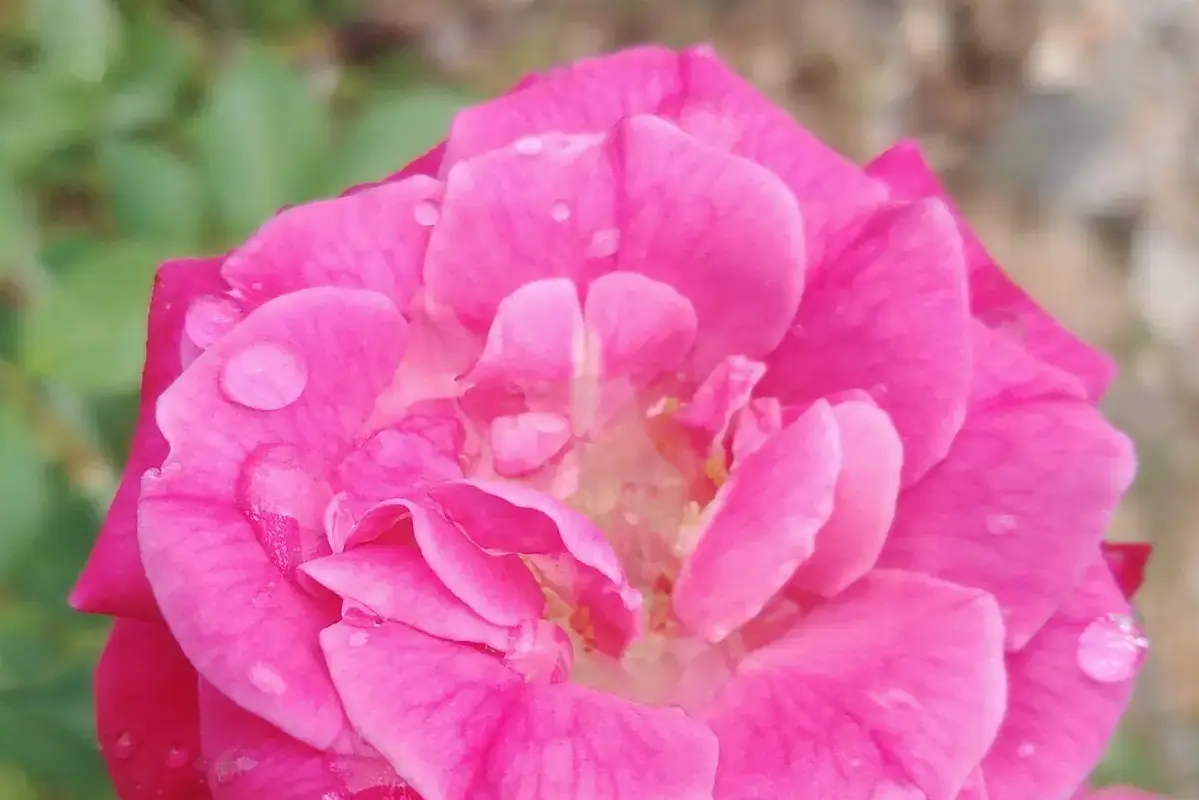
Are the silver lines on a rose evidence of insects, or simply a mark left by transport? This guide works alongside the petal spot comparison guide so you can separate the first observation from the next action.
Silver or pale streaks
Inspect the tissue in side light; pressure creases can also look pale.
Slender crawling specks
Tap one supported bloom over white paper and watch the fallen material.
Petal folds and sepals
Thrips can hide in protected spaces rather than walking on the outer petals.
Old scars or new activity
Photograph the same flower so expanding damage is not confused with a different bloom.
Read the evidence before acting
A measured care sequence
- 01Create an inspection space
Use a washable surface away from houseplants, food and open windows; keep stem ends in their own water.
- 02Look before tapping
Take a close photograph and use a hand lens if available. Tap gently once rather than shaking fragile flowers throughout the room.
- 03Choose containment
Remove badly affected flowers into a closed waste bag. Keep questionable stems apart and ask an extension service to identify clear photographs.
- 04Check the neighbours
Inspect plants that touched the bouquet, including leaf undersides. Recheck the separated bouquet the next day without assuming one negative tap proves it pest-free.
Keep, adjust or remove?
- Silver or pale streaksInspect the tissue in side light; pressure creases can also look pale.
- Slender crawling specksTap one supported bloom over white paper and watch the fallen material.
- Petal folds and sepalsThrips can hide in protected spaces rather than walking on the outer petals.
- Old scars or new activityPhotograph the same flower so expanding damage is not confused with a different bloom.
Keep cosmetically marked but stable flowers only if you can inspect them without exposing other plants; retire stems with persistent insect activity. For a related symptom, return to the petal spot comparison guide rather than applying several changes at once.
Research notes
Sources and editorial method
This guide turns general postharvest and preservation advice into visible household checks. Timing and thresholds are starting points: cultivar, harvest stage, transport, room humidity and vase condition can change how a particular flower responds.


