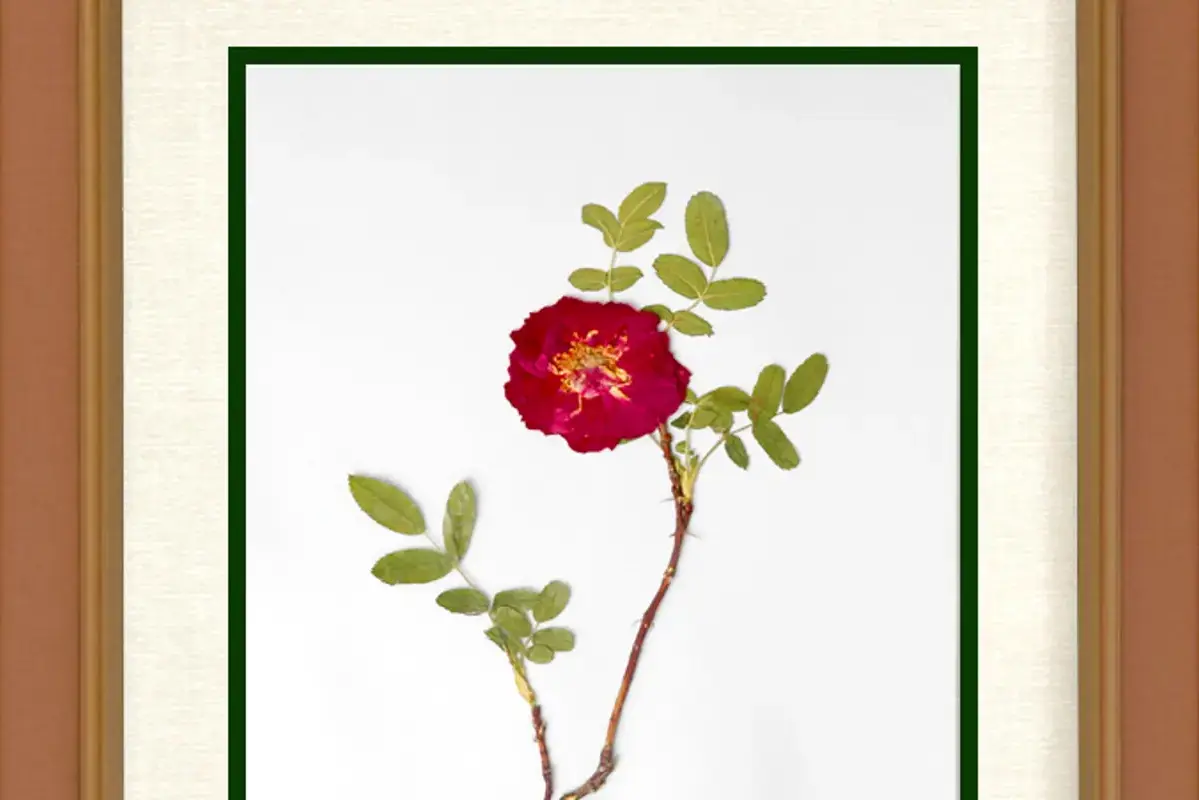
A scan is not only a decorative image: it can preserve identity, orientation, scale and condition before a pressed flower is moved or framed. Support the specimen without pressing it against a dirty scanner bed, capture a colour reference and keep the original label with the file. This guide works alongside the pressed-flower storage guide so you can separate the first observation from the next action.
Is size documented?
A ruler or known reference makes later comparison useful.
Is there a neutral reference?
Scanner and lighting can shift colour, so record the setup.
Is the label retained?
A filename alone should not become the only provenance record.
Read the evidence before acting
A measured care sequence
- 01Prepare the record
Write specimen name as known, source, pressing date if available and current condition.
- 02Set the image
Use a clean bed, diffuse light or a flat scanner and place a scale and label beside—not over—the flower.
- 03Capture two views
Take a full view and a detail of the most diagnostic or fragile area without touching the specimen repeatedly.
- 04Store files and original together
Use a consistent filename and keep the pressed piece in its protective flat storage with the same identifier.
Keep, adjust or remove?
- Is size documented?A ruler or known reference makes later comparison useful.
- Is there a neutral reference?Scanner and lighting can shift colour, so record the setup.
- Is the label retained?A filename alone should not become the only provenance record.
If the pressed flower is irreplaceable, make the record before gluing, framing or mailing it. A careful scan is an insurance copy, not permission to handle the original endlessly. For a related symptom, return to the pressed-flower storage guide rather than applying several changes at once.
Research notes
Sources and editorial method
This guide turns general postharvest and preservation advice into visible household checks. Timing and thresholds are starting points: cultivar, harvest stage, transport, room humidity and vase condition can change how a particular flower responds.


