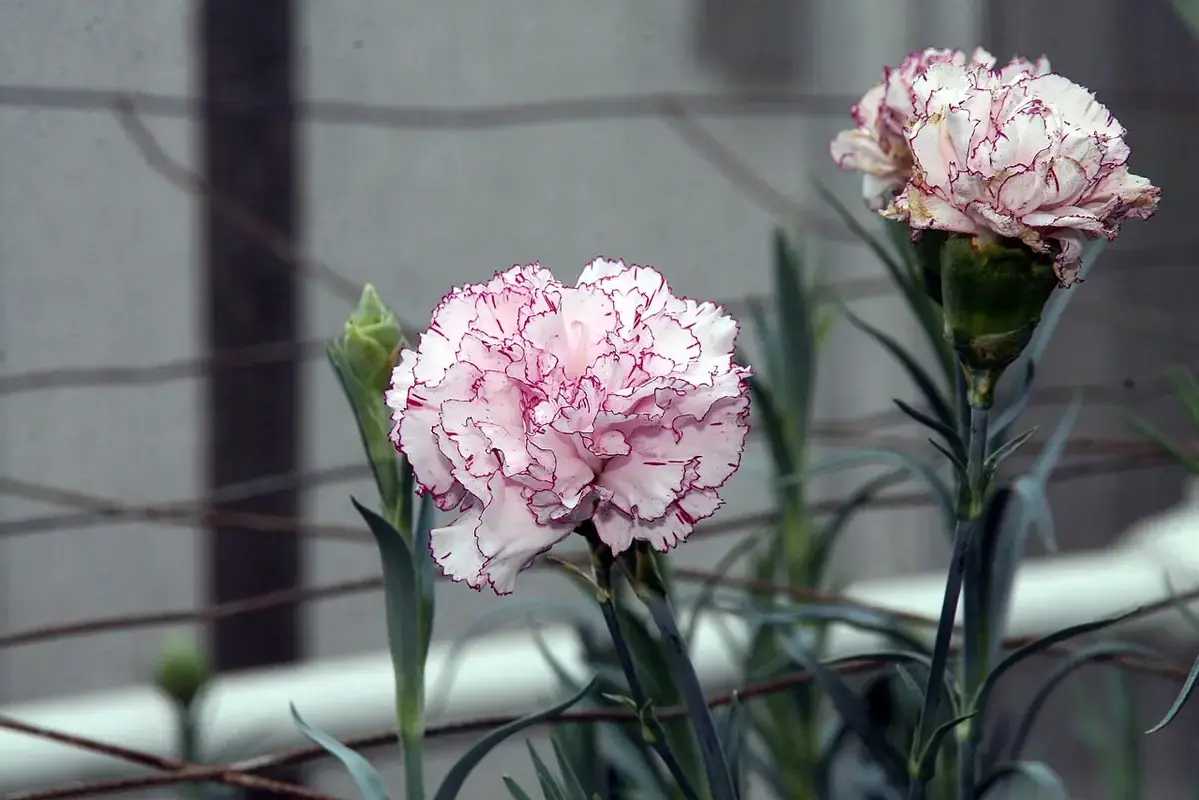
Roses keep their centre best when the bloom is dry on the surface, supported from below and surrounded by a desiccant that can reach the inner petals. Do not bury a wet open rose or press the head flat before moisture has left. This guide works alongside the silica-gel drying guide so you can separate the first observation from the next action.
Firm and partly open?
A mature but sound bloom has structure worth preserving.
Is it already wet?
Trapped moisture is the main reason a dense rose fails from inside.
Does the head keep its shape?
A base and side support reduce flattening as the flower dries.
Is it active and fine?
Old or coarse material can dry unevenly and leave the centre soft.
Read the evidence before acting
A measured care sequence
- 01Prepare the bloom
Remove damaged outer petals, keep the stem short and let surface moisture evaporate before placing it.
- 02Build a support cup
Add a base layer of silica gel, set the rose upright and work crystals gently between the outer petals.
- 03Cover without forcing
Add desiccant around and over the bloom while maintaining the centre shape.
- 04Check, cool and store
Inspect after the initial interval, brush away loose grains and keep the finished rose in a dry box before display.
Keep, adjust or remove?
- Firm and partly open?A mature but sound bloom has structure worth preserving.
- Is it already wet?Trapped moisture is the main reason a dense rose fails from inside.
- Does the head keep its shape?A base and side support reduce flattening as the flower dries.
- Is it active and fine?Old or coarse material can dry unevenly and leave the centre soft.
If the rose loses petals during inspection, stop handling and preserve the sound material separately. For sentimental roses, make a test with a less important bloom before committing the original. For a related symptom, return to the silica-gel drying guide rather than applying several changes at once.
Research notes
Sources and editorial method
This guide turns general postharvest and preservation advice into visible household checks. Timing and thresholds are starting points: cultivar, harvest stage, transport, room humidity and vase condition can change how a particular flower responds.


