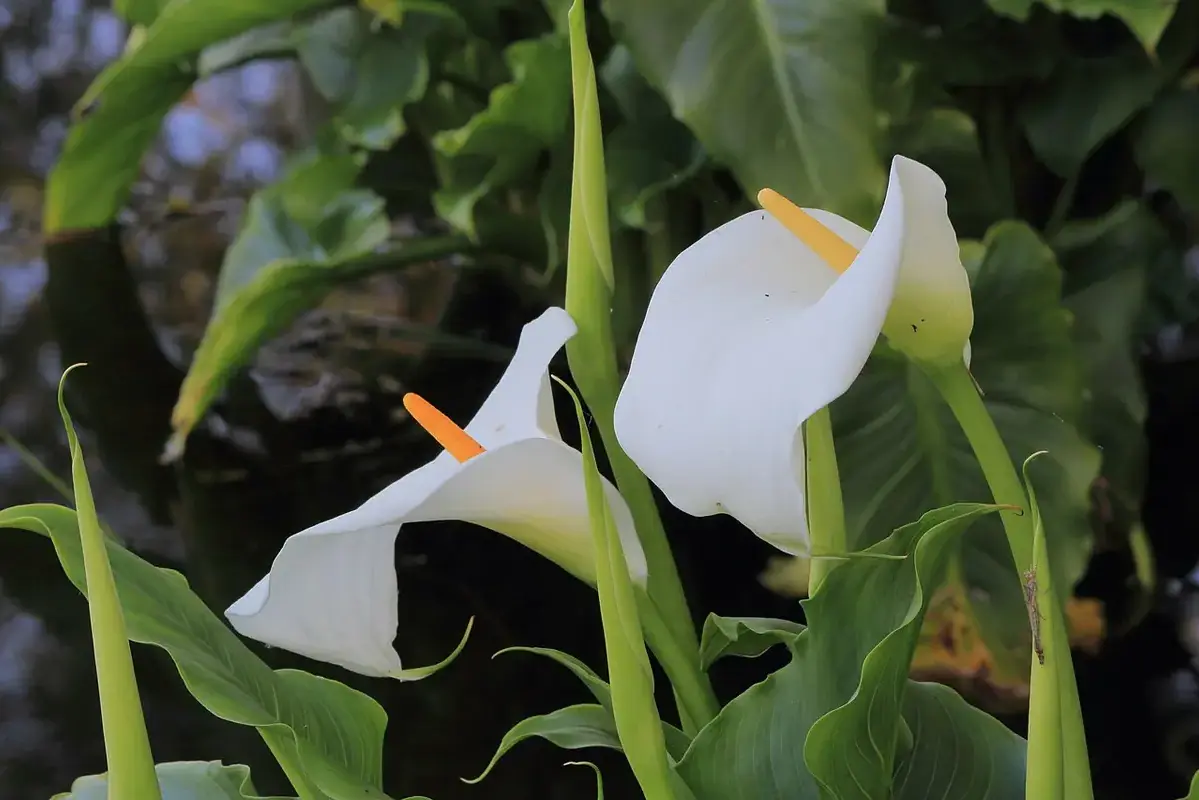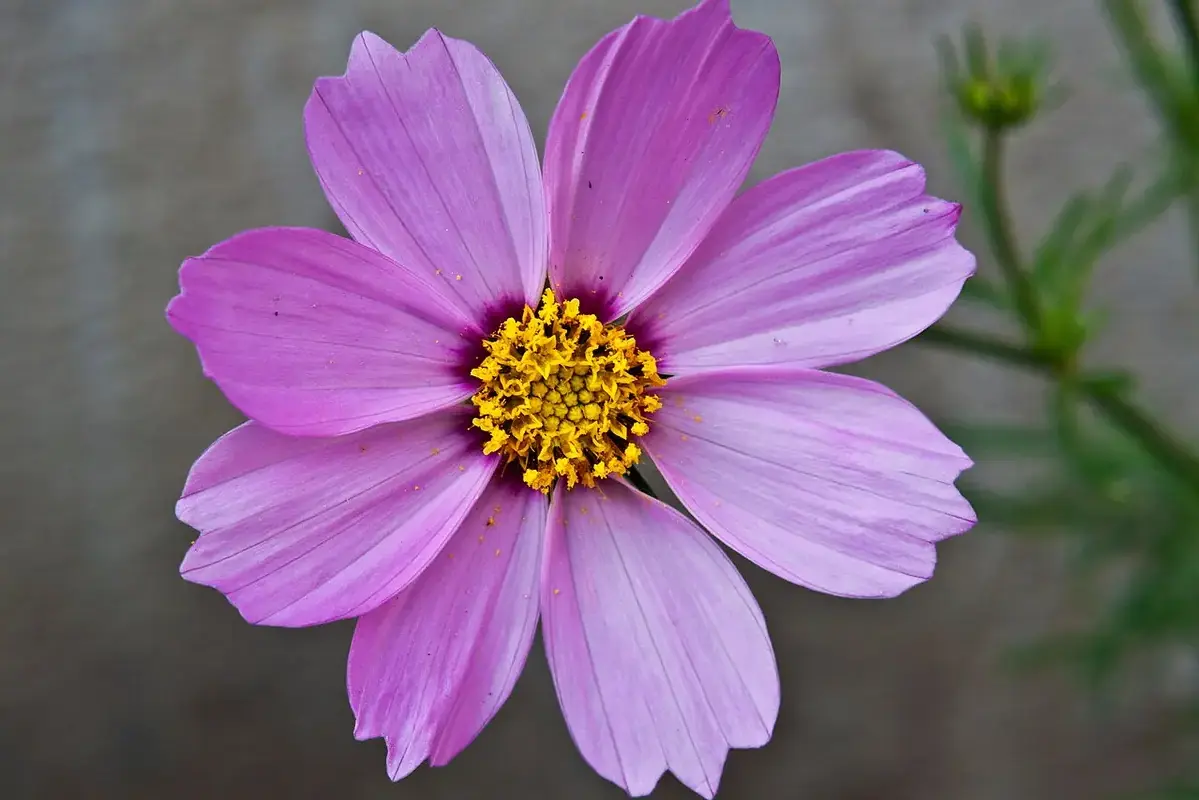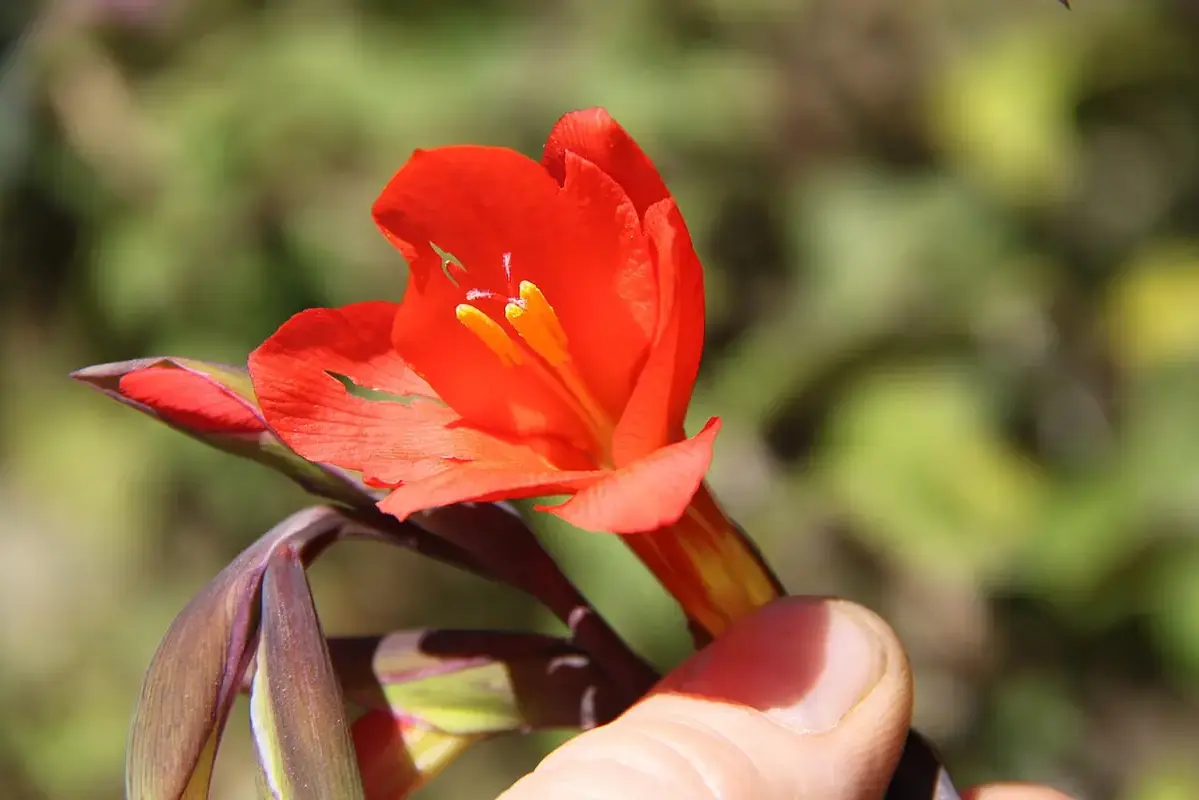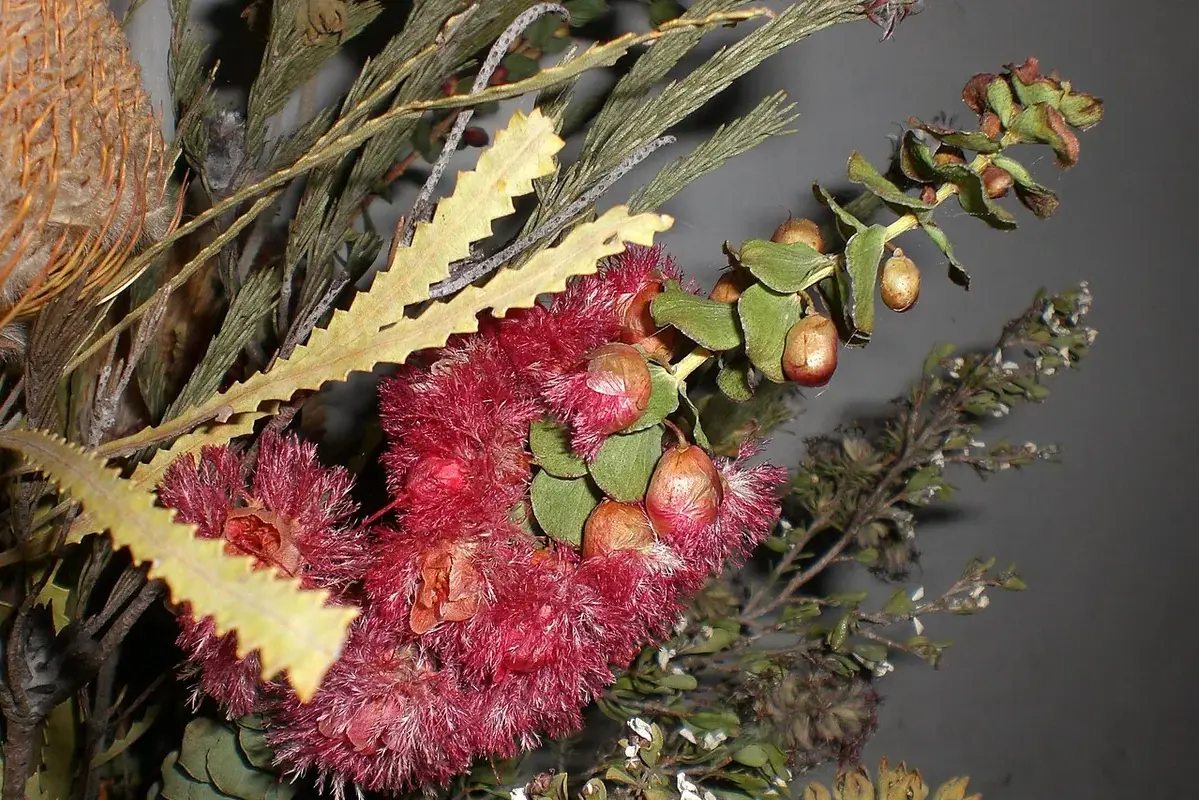
You have dried a keepsake bouquet and want to mail a few stems to a friend overseas. Does calling it a craft gift avoid plant-import rules? No. Drying does not erase botanical identity, origin or the possible presence of seeds and pests. Check whether the material may enter the destination before building an elaborate protective package. This guide works alongside the physical protection for a dried bouquet after the shipment is permitted so you can separate the first observation from the next action.
List every stem, leaf and pod
A mixed bouquet can contain several regulated materials. A vague label such as dried decorations may be insufficient for an authority to determine the requirements.
Check more than the recipient address
Requirements can depend on where plants were grown, where the parcel is sent from and transit arrangements. Retain supplier information when origin is not obvious.
Inspect pods, soil and insects
Dry flowers may still contain viable seeds or concealed pests. Do not assume removing visible dirt makes otherwise restricted material admissible.
Use official destination guidance
A carrier accepting a parcel is not the same as plant-health clearance. Read requirements for the actual plant material and shipment type, not a traveller example alone.
Read the evidence before acting
A measured care sequence
- 01Inventory before trimming
Photograph the whole keepsake and list its known flowers, foliage, pods and other natural materials. Keep labels and origin records; do not destroy identifying features merely to make the parcel smaller.
- 02Check the destination authority
Use official plant-import guidance and ask about dried material sent by post. For United States entry, consult APHIS requirements and customs guidance; other destinations have their own authorities and rules.
- 03Resolve documentation and carrier limits
Confirm permits, certificates, declarations and any required inspection arrangements before paying for postage. Do not disguise botanical contents as paper crafts or rely on a seller claiming that all dried flowers are unrestricted.
- 04Pack only the cleared material
Use a clean rigid container with dry supports and no soil or unapproved plant packing. Keep an inventory and follow the required labelling. If new insects, moisture or mold are found, stop packing rather than applying an improvised pesticide treatment.
Keep, adjust or remove?
- List every stem, leaf and podA mixed bouquet can contain several regulated materials. A vague label such as dried decorations may be insufficient for an authority to determine the requirements.
- Check more than the recipient addressRequirements can depend on where plants were grown, where the parcel is sent from and transit arrangements. Retain supplier information when origin is not obvious.
- Inspect pods, soil and insectsDry flowers may still contain viable seeds or concealed pests. Do not assume removing visible dirt makes otherwise restricted material admissible.
- Use official destination guidanceA carrier accepting a parcel is not the same as plant-health clearance. Read requirements for the actual plant material and shipment type, not a traveller example alone.
Check admissibility before packaging quality. When the paperwork or identity cannot be resolved, preserve the original at home and share its photograph instead of gambling with the keepsake. For a related symptom, return to the physical protection for a dried bouquet after the shipment is permitted rather than applying several changes at once.
Research notes
Sources and editorial method
This guide turns general postharvest and preservation advice into visible household checks. Timing and thresholds are starting points: cultivar, harvest stage, transport, room humidity and vase condition can change how a particular flower responds.