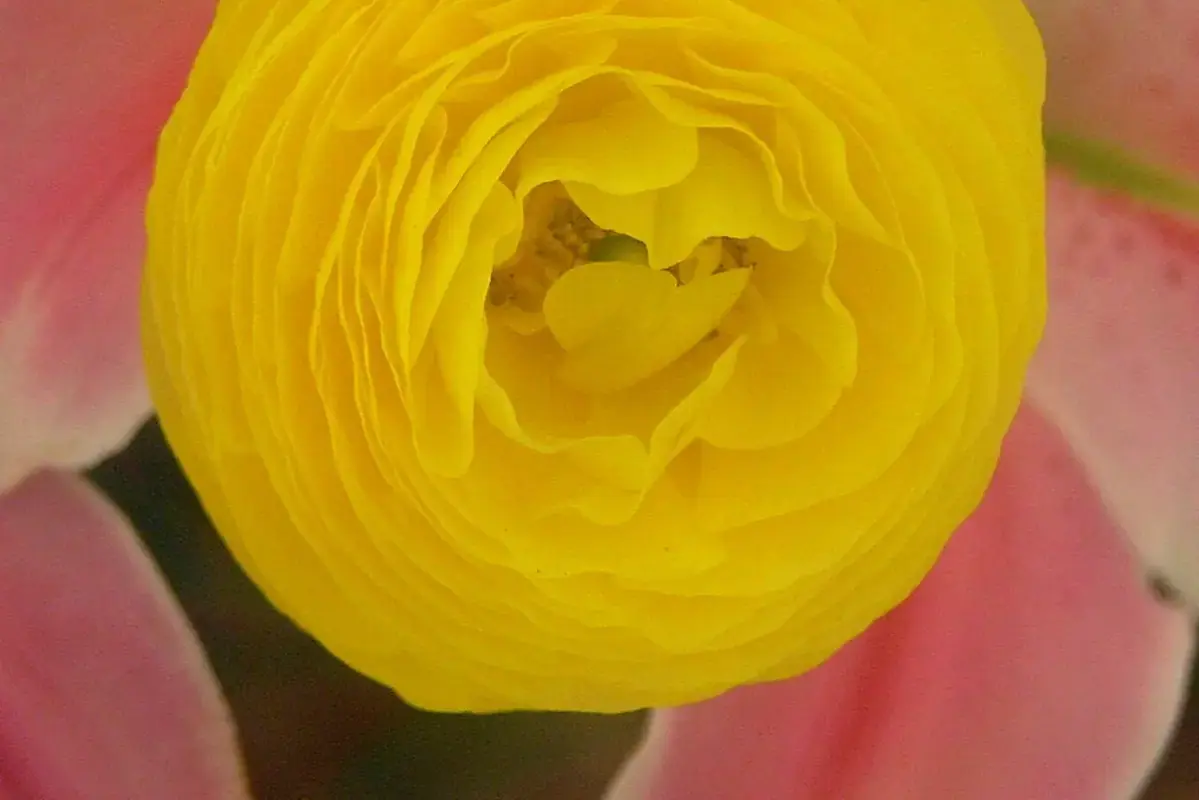
Why do the petals have a dotted grid even though they dried without turning brown? This guide works alongside the flower pressing troubleshooting guide so you can separate the first observation from the next action.
Repeated dots or diamonds
Compare the spacing with the paper that touched the flower.
Contact face only
Marks may differ between the upper and lower sheet.
Texture without spreading discolouration
A stable imprint differs from progressive darkening or mold.
Local ridges and overlaps
Folded sheets or stacked petals can create additional pressure lines.
Read the evidence before acting
A measured care sequence
- 01Keep the paper sample
Place a spare piece beside the petal for comparison rather than repeatedly rubbing the flower.
- 02Photograph the artifact
Use side lighting to record texture and normal lighting to record colour.
- 03Choose better contact layers
Use smooth absorbent sheets, keeping any textured outer padding from pressing directly into the petals.
- 04Run a small comparison
Press spare flowers with the new paper and record the stack and pressure; do not test an irreplaceable specimen first.
Keep, adjust or remove?
- Repeated dots or diamondsCompare the spacing with the paper that touched the flower.
- Contact face onlyMarks may differ between the upper and lower sheet.
- Texture without spreading discolourationA stable imprint differs from progressive darkening or mold.
- Local ridges and overlapsFolded sheets or stacked petals can create additional pressure lines.
A textured result may still make good artwork. For a botanical-looking finish, control the contact surface before increasing pressure. For a related symptom, return to the flower pressing troubleshooting guide rather than applying several changes at once.
Research notes
Sources and editorial method
This guide turns general postharvest and preservation advice into visible household checks. Timing and thresholds are starting points: cultivar, harvest stage, transport, room humidity and vase condition can change how a particular flower responds.


