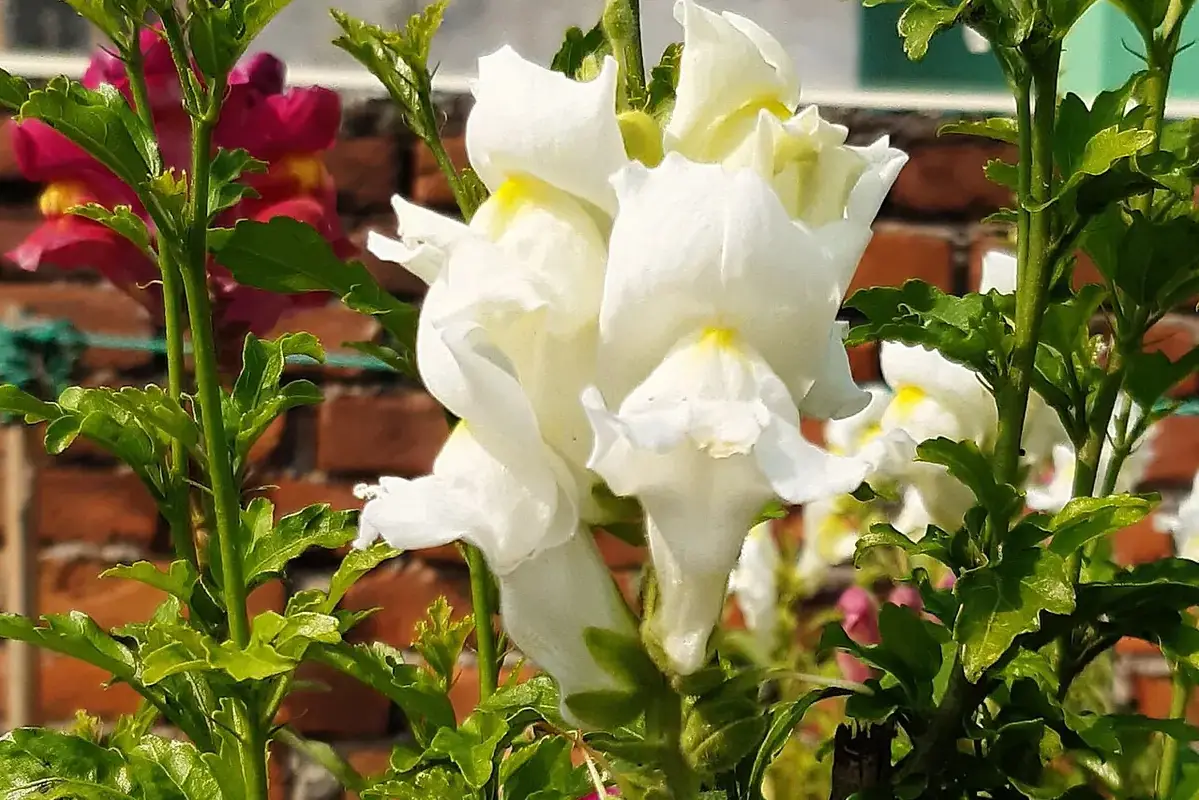
How can a trumpet-shaped flower remain recognisable when pressed flat? This guide works alongside the thick-petal preparation guide so you can separate the first observation from the next action.
Long tube with a distinct lip
The side outline may show the flower more clearly than a flattened face.
Bulky base or overlapping walls
These areas can stay damp beneath seemingly dry outer petals.
Known plant and handling hazards
Tubular shape includes plants with very different toxicity.
Artwork or botanical record
A cut-open specimen should not later be described as intact.
Read the evidence before acting
A measured care sequence
- 01Identify the flower first
Keep toxic ornamentals away from children, pets and food tools; use suitable gloves and wash hands after handling.
- 02Choose the view
Lay the bloom on its side with the lip visible and compare a second orientation before closing the press.
- 03Reduce bulk only deliberately
If a section is needed, use appropriate tools on a spare flower and record the cut. Do not press a sealed pocket of thick tissue by force.
- 04Dry and label
Use absorbent sheets, monitor the thickest area and label the final specimen as side-pressed or sectioned.
Keep, adjust or remove?
- Long tube with a distinct lipThe side outline may show the flower more clearly than a flattened face.
- Bulky base or overlapping wallsThese areas can stay damp beneath seemingly dry outer petals.
- Known plant and handling hazardsTubular shape includes plants with very different toxicity.
- Artwork or botanical recordA cut-open specimen should not later be described as intact.
Select the view that tells the truth about the flower, and keep a photograph of its original three-dimensional shape. For a related symptom, return to the thick-petal preparation guide rather than applying several changes at once.
Research notes
Sources and editorial method
This guide turns general postharvest and preservation advice into visible household checks. Timing and thresholds are starting points: cultivar, harvest stage, transport, room humidity and vase condition can change how a particular flower responds.


