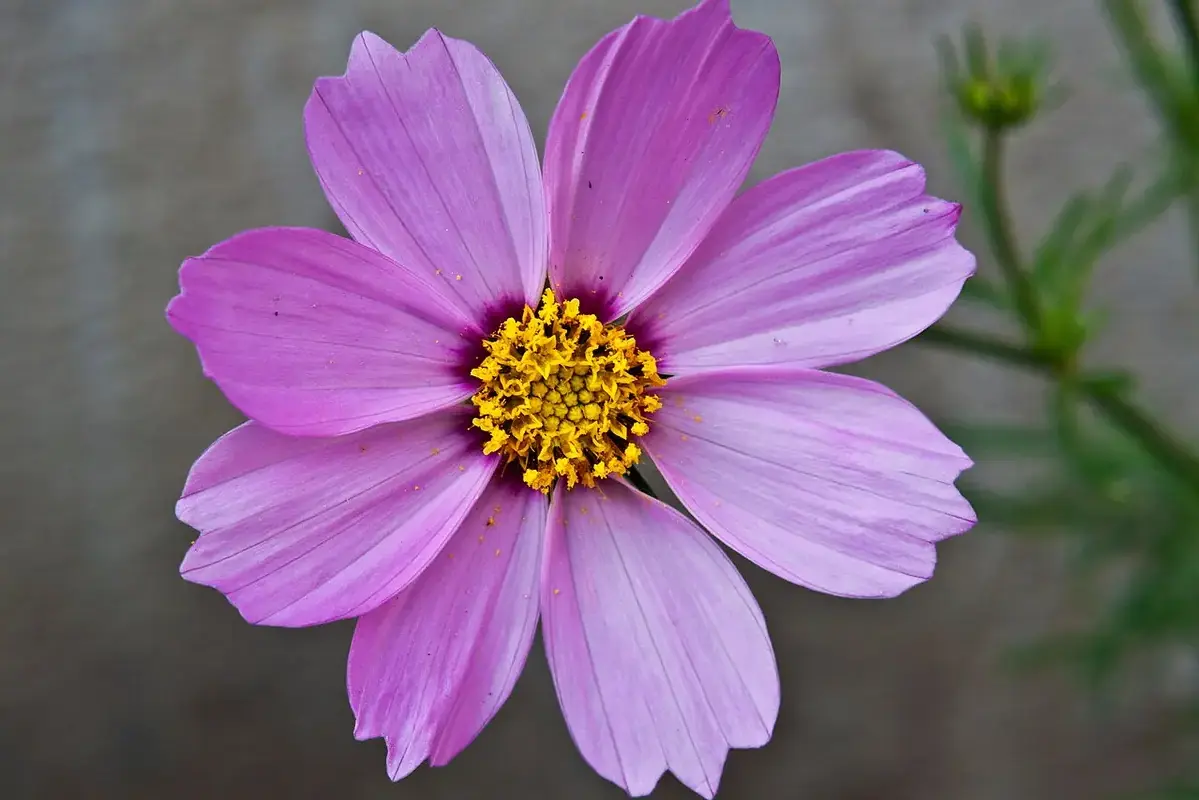
A cosmos looks flat from above but its central disc rises above the thin petals. Why do the rays curl or fold when the press closes? The centre can hold the papers apart while soft rays slide, so plan the flower shape before adding pressure. This guide works alongside the managing moisture and browning in a flower press so you can separate the first observation from the next action.
Dry surface and intact edges
Wet or already bruised petals are more likely to stick or stain the pressing paper.
Compare centre with ray petals
A thick raised disc can prevent even contact with thin rays.
Check overlap before covering
Petals that cross in the first layer will dry into that shape.
Watch for transferred moisture
Damp or stained sheets need changing before enclosure or framing.
Read the evidence before acting
A measured care sequence
- 01Harvest in dry conditions
Choose a clean flower after surface moisture has gone; keep a photograph of the fresh outline as a layout reference.
- 02Arrange the rays
Set the bloom face down or place separate petals on paper and guide each narrow ray into position without stretching it.
- 03Close with even support
Add a clean upper sheet, apply gentle even pressure and mark the sample so it is not disturbed during early changes.
- 04Change and assess
Replace damp paper carefully and check the thicker centre before considering the piece finished. Store it flat and dry.
Keep, adjust or remove?
- Dry surface and intact edgesWet or already bruised petals are more likely to stick or stain the pressing paper.
- Compare centre with ray petalsA thick raised disc can prevent even contact with thin rays.
- Check overlap before coveringPetals that cross in the first layer will dry into that shape.
- Watch for transferred moistureDamp or stained sheets need changing before enclosure or framing.
Preserve the star shape by giving every ray its own place; the raised centre can be handled as a separate preservation decision. For a related symptom, return to the managing moisture and browning in a flower press rather than applying several changes at once.
Research notes
Sources and editorial method
This guide turns general postharvest and preservation advice into visible household checks. Timing and thresholds are starting points: cultivar, harvest stage, transport, room humidity and vase condition can change how a particular flower responds.